Hungarian Nokedli Recipe – Soft and Tender Egg Dumplings
Hungarian Nokedli are a beloved staple in Hungarian cuisine, known for their soft, tender texture and ability to soak up rich, flavorful sauces. These small, irregularly shaped egg dumplings are made with just a few simple ingredients that you likely already have in your kitchen. They are the perfect side dish for chicken paprikash, beef stew, goulash, or any meal that features a creamy or savory sauce. Once you learn how easy they are to make, they will become a regular addition to your dinner table.
Ingredients
To make authentic Hungarian nokedli, you will need three large eggs, one and a half cups of all-purpose flour, and half a cup of water. You will also need one teaspoon of salt and a pinch of black pepper if desired. For cooking, you will need a large pot of salted boiling water and a small amount of butter or oil for tossing the cooked dumplings. Some recipes also add a pinch of nutmeg for extra flavor, but this is optional.
Making the Dough
Start by cracking the eggs into a medium-sized mixing bowl. Add the salt and whisk them until they are well beaten and slightly frothy. Gradually add the flour and water alternately, stirring with a wooden spoon or a whisk until you have a smooth, sticky dough. The consistency should be thick but still soft enough to drop from a spoon. If the dough feels too stiff, add a little more water, one tablespoon at a time. If it feels too runny, add a little more flour. Let the dough rest for about ten to fifteen minutes while you bring a large pot of salted water to a rolling boil.
Cooking the Nokedli
There are two traditional ways to shape and cook nokedli. The first method uses a special tool called a nokedli szaggató, which is a perforated metal board that you hold over the pot. You place a portion of the dough on the board and use a spoon or spatula to push small pieces through the holes directly into the boiling water. The second method, which is more common in home kitchens, involves using two teaspoons. Dip one spoon into the hot water, then use it to scoop up a small amount of dough. Use the second spoon to scrape small, bite-sized pieces of dough off the first spoon and into the boiling water.
Cooking and Draining
As the dumplings hit the boiling water, they will sink to the bottom. After a minute or two, they will float to the surface, which means they are cooked. Use a slotted spoon to remove them from the water and place them in a colander to drain. Continue this process with the remaining dough, working in batches to avoid overcrowding the pot. Once all the dumplings are cooked and drained, transfer them to a serving bowl. Toss them with a small amount of butter or oil to prevent them from sticking together.
Serving Suggestions
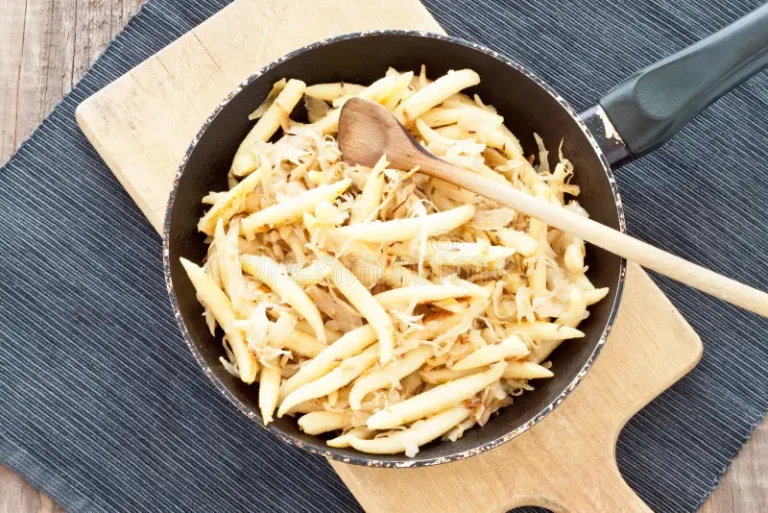
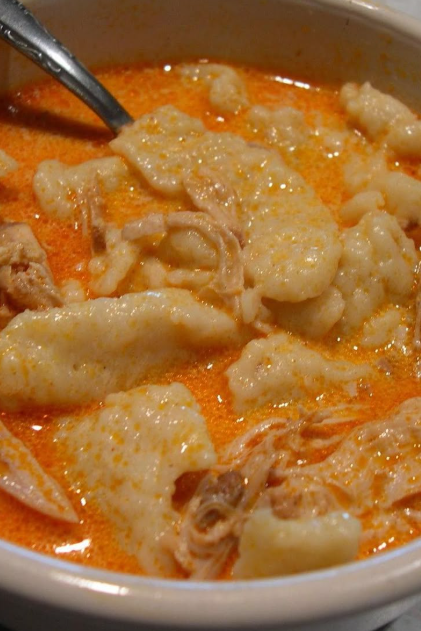
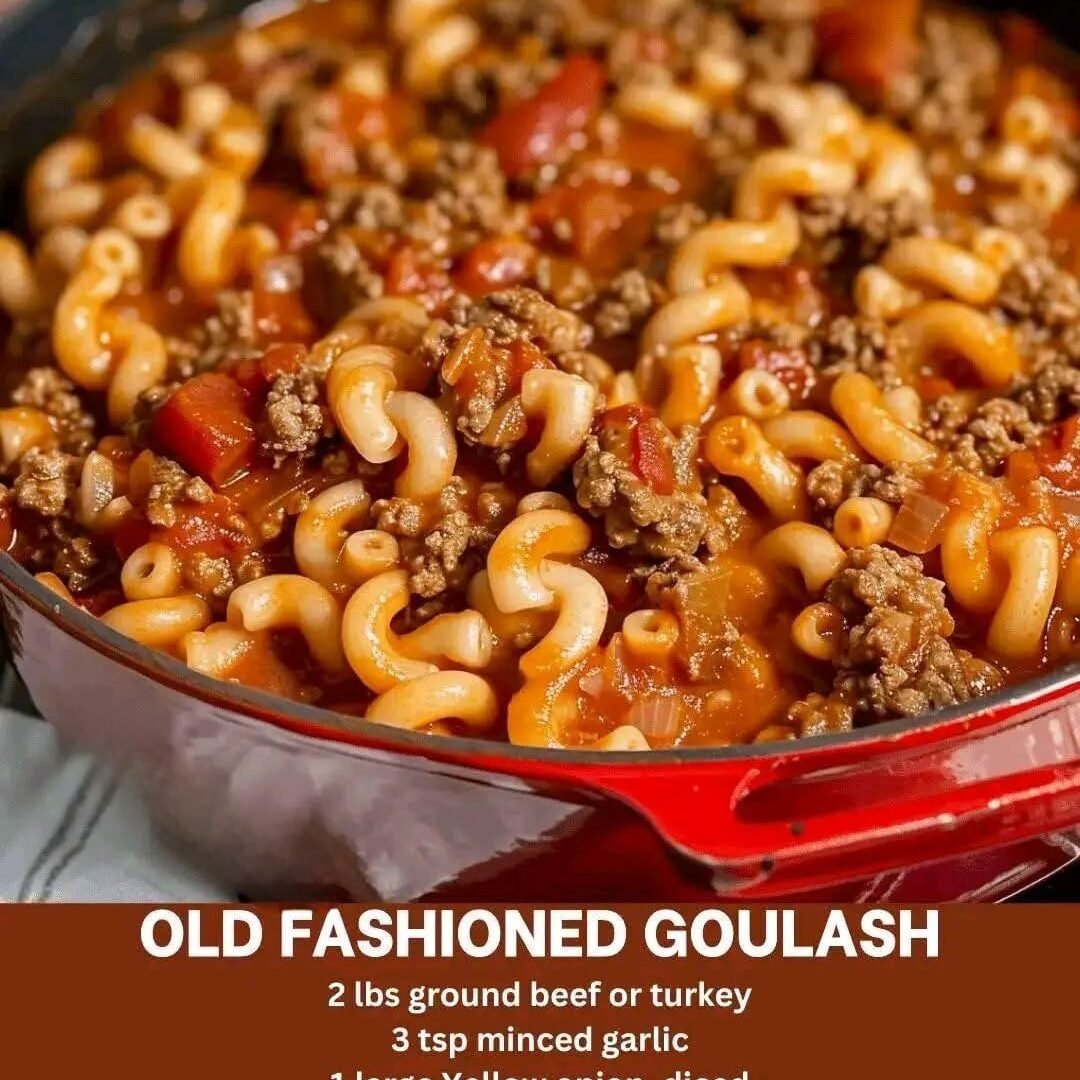
Hungarian nokedli are best served fresh and warm. They are the classic accompaniment to chicken paprikash, a creamy paprika chicken dish that is practically inseparable from these dumplings. They also pair beautifully with beef goulash, mushroom paprikash, or any stew with a rich gravy. For a simple meal, you can toss the nokedli with sautéed onions, bacon, and a dollop of sour cream. They can also be served as a side dish with roasted meats or sausages.
Storage and Reheating
Leftover nokedli can be stored in an airtight container in the refrigerator for up to three days. To reheat, the best method is to sauté them in a little butter or oil in a skillet over medium heat until they are warm and slightly crispy. You can also reheat them in the microwave, but they may become a bit softer. For longer storage, you can freeze the cooked dumplings in a single layer on a baking sheet, then transfer them to a freezer bag. They can be frozen for up to two months and reheated directly in a skillet or in boiling water.
Final Thoughts
Hungarian nokedli are a simple, comforting, and versatile side dish that brings a taste of Eastern Europe to your kitchen. With just three main ingredients and a few minutes of preparation, you can create soft, tender dumplings that elevate any meal. Whether you are serving them with a traditional paprikash or experimenting with your own favorite sauces, these little dumplings are sure to become a family favorite.