Here Is Exactly Why You Get Leg Cramps at Night (and How to Stop Them)
While most nighttime leg cramps are harmless, there are certain “red flags” that warrant a medical evaluation. You should schedule an appointment with a healthcare professional if you experience any of the following:
Cramps that are severe, persistent, or continue to occur frequently. If a cramp lasts longer than 10 minutes or if they are significantly disrupting your sleep and quality of life, it is time to seek help.
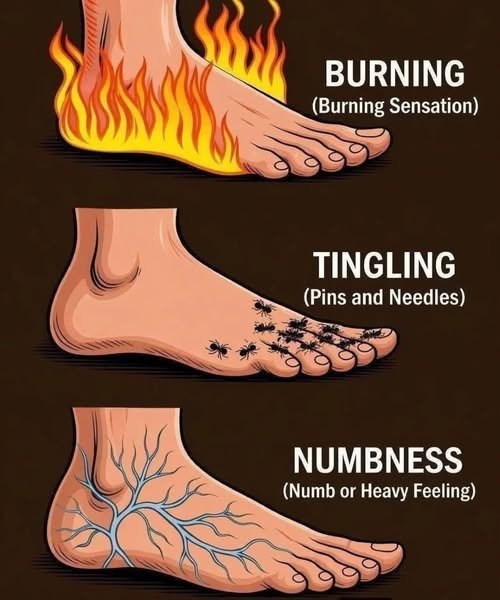
Cramps accompanied by other symptoms. These include muscle weakness, loss of sensation or numbness in the affected limb, or swelling in the leg.
Cramps that occur during exercise and go away with rest. This could be a sign of claudication, which is caused by peripheral artery disease (narrowed arteries in the legs).
Cramps that started after beginning a new medication.
You have a known medical condition such as kidney failure, diabetes, or thyroid disease, as your cramps may be related to your condition.
Cramps occur in your chest, arms, or abdomen, as these could be a sign of a more serious issue.
A doctor can perform a physical examination, review your medical history, and order blood tests to check for underlying conditions like electrolyte imbalances, thyroid dysfunction, or kidney problems. In some cases, they may prescribe a medication like quinine, although this is typically reserved for severe cases due to potential side effects.
Conclusion
Nighttime leg cramps are a common, often frustrating, and sometimes painful part of life for many people. While they are usually benign, the sudden, searing pain of a charley horse can disrupt your rest and leave you feeling exhausted the next day. By understanding the root causes—from dehydration and electrolyte imbalances to muscle fatigue and medication side effects—you can take control of the situation.
Simple strategies like staying well-hydrated, incorporating a daily stretching routine, and loosening the covers at the foot of your bed can make a world of difference. When a cramp strikes, immediate stretching and massage can help to relieve the pain quickly. However, if you experience frequent, severe, or unusual cramps, do not hesitate to consult a healthcare professional. Identifying and addressing any underlying issues is key to ensuring your body gets the rest and recovery it needs to function at its best.
Frequently Asked Questions
Are nighttime leg cramps a sign of a serious health problem?
In the vast majority of cases, no. Most nighttime leg cramps are benign and have no identifiable cause. However, frequent or severe cramps can sometimes be associated with underlying conditions like kidney disease, diabetes, thyroid issues, or nutritional deficiencies. If you are concerned, it is always best to consult a doctor.
What deficiency causes leg cramps at night?
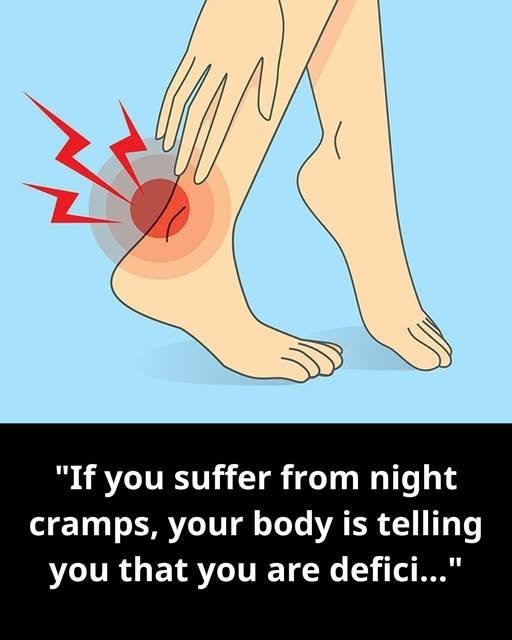
Cramps can be associated with deficiencies in several key minerals, including potassium, magnesium, and calcium. Low levels of vitamin D have also been linked to muscle cramps. Ensuring a balanced diet rich in these nutrients can help prevent cramps.
How can I stop a leg cramp quickly?
The fastest way to stop a cramp is to stretch the affected muscle. For a calf cramp, straighten your leg and gently pull your toes up toward your head. You can also try standing up and putting weight on the leg, or massaging the muscle firmly.
Does drinking water help with nighttime leg cramps?
Yes. Dehydration is a common trigger for muscle cramps. Staying well-hydrated throughout the day helps maintain the proper balance of electrolytes in your body, which is essential for normal muscle function. Limiting alcohol and caffeine, which can be dehydrating, is also beneficial.
What is the best way to prevent leg cramps at night?
A combination of good habits is most effective. This includes staying well-hydrated, doing regular calf-stretching exercises (especially before bed), eating a balanced diet rich in electrolytes, and loosening tight bedding at the foot of your bed. If you take medications, ask your doctor if they could be a contributing factor.
Is it safe to take a magnesium supplement for leg cramps?
Magnesium supplements are often used for cramps, but you should talk to your doctor before starting one. They can help if you have a deficiency, but they are not a guaranteed cure for all cramps and can interact with certain medications or health conditions.
When should I worry about leg cramps?
You should seek medical advice if your cramps are severe, last longer than 10 minutes, are accompanied by muscle weakness or numbness, interfere with your sleep, or if they start after you begin a new medication. Cramps that occur during exercise and resolve with rest should also be evaluated by a doctor.
Can poor circulation cause leg cramps at night?
Yes, vascular conditions that impair blood flow to the legs can contribute to cramping. However, this type of cramping is often more characteristic of claudication, which occurs during exercise and is relieved by rest. A doctor can evaluate your circulation if you have concerns.