Hard Bumps on Finger Joints Near the Nails: Causes and Management
The Primary Link to Osteoarthritis
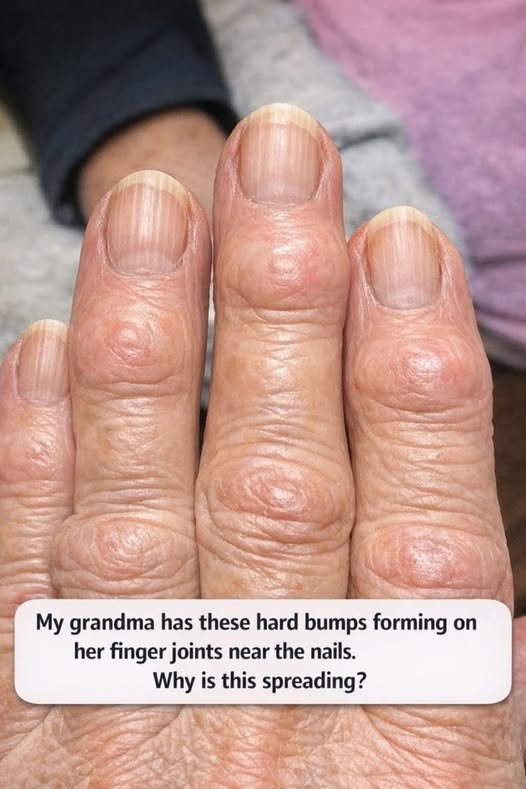
Heberden’s nodes are considered a hallmark sign of osteoarthritis (OA), the most common form of arthritis affecting older adults. OA occurs when the protective cartilage cushioning the ends of bones wears down over time, leading to bone-on-bone friction. In response to this mechanical stress, the body attempts to repair the joint by forming new bone at the margins, creating the characteristic bony spurs known as osteophytes. Genetic predisposition plays a significant role; if parents had similar hand changes, offspring are more likely to develop them. Age-related cartilage degeneration, combined with cumulative wear from decades of hand use, creates the perfect environment for node formation. While OA is the primary driver, it is important to note that the presence of nodes indicates established joint changes rather than early-stage disease.