Fruits That Dissolve Blood Clots: Separating Dietary Science from Dangerous Medical Myths
The Viral Promise vs. Biological Reality
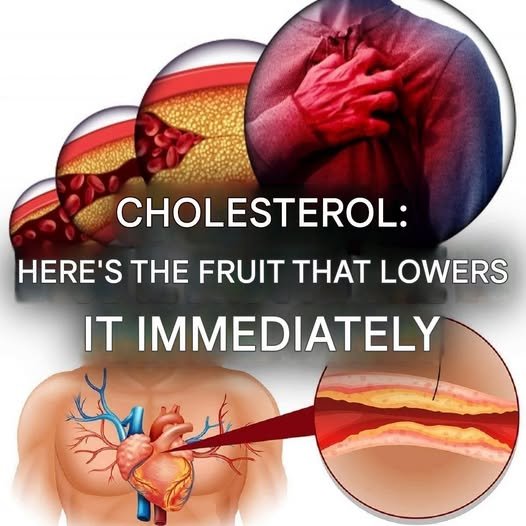
The concept of “foods that dissolve blood clots” has become a staple of wellness blogs and social media feeds, often accompanied by dramatic imagery similar to the source material provided. These posts typically suggest that incorporating specific items like pineapple, ginger, or cayenne pepper into one’s diet can act as a natural alternative to pharmaceutical interventions. The appeal is obvious: who wouldn’t prefer a delicious smoothie over a regimen of potent medication with potential side effects? However, this binary thinking—natural good, pharmaceutical bad—is biologically flawed and medically hazardous. A blood clot, or thrombus, is a complex mesh of fibrin, platelets, and red blood cells. Once formed and stabilized, it is structurally robust. The body’s own enzymatic system, involving plasmin, is required to break it down, and even this natural process is slow and tightly regulated. No dietary compound can replicate the targeted, high-potency action of tissue plasminogen activators (tPA) used in emergency rooms.
Understanding Thrombosis: More Than Just a Blockage
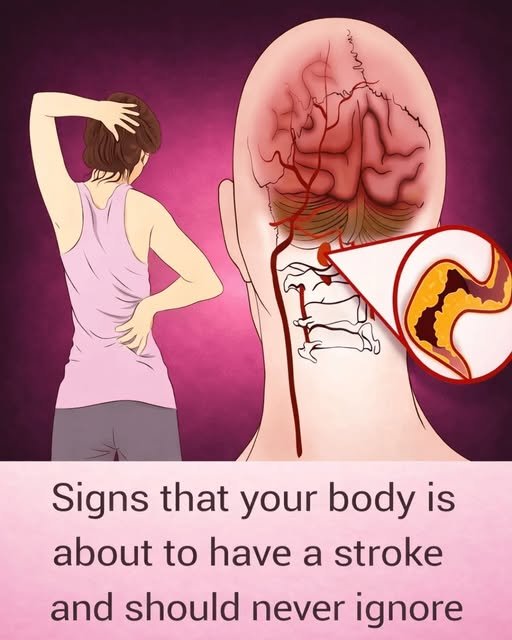
To understand why fruit cannot simply “dissolve” a clot, one must first understand what a clot actually is. Thrombosis is not merely a physical obstruction like a clog in a pipe; it is an active biological process involving the coagulation cascade. When a blood vessel is injured, or when blood flow becomes stagnant, a series of chemical reactions triggers platelets to adhere to the vessel wall and fibrin strands to form a net. This is a survival mechanism designed to prevent bleeding. Pathological thrombosis occurs when this system malfunctions, creating clots where they aren’t needed or failing to dissolve them when they are. The image showing a bruised leg likely depicts Deep Vein Thrombosis (DVT), while the brain illustration suggests an ischemic stroke. Both are medical emergencies requiring immediate intervention. Dietary changes operate on a timescale of weeks and months, influencing risk factors like inflammation and lipid profiles, whereas clot dissolution requires immediate enzymatic action that food cannot provide.
The Danger of Substitution
The most significant risk associated with the “fruits dissolve clots” narrative is the potential for substitution. If a patient diagnosed with atrial fibrillation or a history of DVT decides to rely on pineapple juice instead of their prescribed anticoagulant because of a viral post, the consequences can be fatal. Anticoagulants do not dissolve existing clots; they prevent new ones from forming and stop existing ones from growing, giving the body’s natural systems time to work. Removing this protective shield based on dietary myths leaves the patient vulnerable to recurrent thrombosis. It is essential to reframe the conversation: fruits are not alternatives to medication; they are adjuncts to a healthy lifestyle that supports the efficacy of medical treatment. They help maintain the vascular environment so that clots are less likely to form in the first place, but they cannot clean up the mess once a catastrophic event has occurred.
The Role of Nutrition in Vascular Health
While we must debunk the “dissolving” myth, we must simultaneously validate the immense importance of nutrition in preventing thrombosis. Diet influences almost every risk factor associated with clot formation. High levels of homocysteine, an amino acid linked to arterial damage and clotting, can be lowered by B-vitamins found in fruits and vegetables. Chronic inflammation, which damages the endothelial lining of blood vessels and initiates clotting, is reduced by the antioxidants abundant in berries and citrus. Oxidative stress, which makes LDL cholesterol more likely to plaque and rupture, is neutralized by phytonutrients. Therefore, while a strawberry cannot dissolve a clot in your leg, a diet rich in strawberries can help keep your leg’s arteries clear and healthy. This distinction is the cornerstone of responsible health communication: celebrating prevention without promising impossible cures.
Identifying the Source of the Myth
Where does this specific misconception come from? Often, it stems from a kernel of truth that gets distorted through repetition. For example, pineapples contain bromelain, an enzyme that has shown fibrinolytic (clot-breaking) activity in in vitro (test tube) studies. Similarly, garlic and ginger have antiplatelet effects in laboratory settings. When these findings are translated into layman’s terms for social media, the nuance of “test tube concentration” is lost, and “may help prevent” becomes “dissolves.” Additionally, traditional medicine systems have long used foods therapeutically, and while these traditions hold cultural value, they are not always validated by modern clinical trials for acute conditions. The viral image likely aggregates these disparate threads of truth into a cohesive but scientifically inaccurate package. Recognizing the origin of these claims helps us approach them with skepticism rather than blind faith or total dismissal.
The Psychology of Natural Healing
The persistence of this myth also speaks to a deeper psychological need. Modern medicine can feel cold, invasive, and frightening. The idea that nature provides a gentle, edible remedy is deeply comforting. It restores a sense of agency to the patient; instead of passively taking pills, they are actively eating healing foods. This empowerment is valuable and should not be dismissed. The challenge for healthcare providers and educators is to harness this motivation for positive behavior change without validating false premises. We can encourage patients to eat more anti-inflammatory fruits not because it will dissolve their current clot, but because it will make their blood vessels more resilient against future ones. By validating the intent behind the search for natural remedies while correcting the mechanism, we build trust and promote safer health behaviors.