5 Signs of a Mini-Stroke in the Elderly: Recognizing the Critical Warning Signs Before It Is Too Late
A sudden moment of dizziness, a brief episode of slurred speech, or a fleeting numbness in one arm can be easy to dismiss as a sign of fatigue, a poor night’s sleep, or simply “getting older.” In the elderly, these subtle and transient symptoms are often attributed to the normal aging process, overlooked by both the individual and their caregivers. However, these seemingly minor and short-lived events can be the body’s most urgent warning signal: a transient ischemic attack (TIA), commonly known as a “mini-stroke”.
A mini-stroke is a medical emergency that often serves as a critical prelude to a major, potentially devastating stroke. The symptoms are identical to those of a full stroke but typically resolve on their own, often within minutes to a few hours. Because the symptoms disappear, it is dangerously easy to ignore them. Yet, the risk of a subsequent severe stroke is alarmingly high, particularly in the days and weeks following a TIA. Understanding the five hallmark signs is not just about recognizing a medical event; it is about seizing a narrow window of opportunity to prevent a life-altering catastrophe.
This comprehensive guide explores the five primary signs of a mini-stroke in the elderly, the critical importance of the FAST acronym, the underlying causes and risk factors, and the immediate actions that must be taken when these warning signs appear. By the end, you will be equipped with the knowledge to recognize the subtle cues and act decisively to protect the brain health of yourself or a loved one.
Understanding the Mini-Stroke: A Warning, Not a False Alarm
A transient ischemic attack occurs when the blood supply to a part of the brain is temporarily blocked, often by a blood clot or a buildup of plaque in an artery. This brief interruption starves brain cells of oxygen and glucose, causing them to malfunction and produce stroke-like symptoms. Crucially, unlike a full stroke, the blockage in a TIA is transient. It often breaks up and dissolves on its own, allowing blood flow to return before permanent damage can occur.
Despite the lack of lasting brain injury, a TIA is anything but benign. It is a loud and clear warning that the vascular system is compromised and that a major stroke may be imminent. Research underscores the urgency: the risk of a full stroke is 3.5% within two days, 8.0% within 30 days, and 9.2% within 90 days after a TIA. However, this dire trajectory is not inevitable. Prompt medical evaluation and treatment can reduce the risk of early stroke by as much as 80%. This is why recognizing the signs is a life-saving skill.
The 5 Key Signs of a Mini-Stroke in the Elderly
The symptoms of a TIA are varied but share a common characteristic: they typically begin suddenly. In the elderly, these signs can be particularly easy to miss or misattribute. Here are the five most critical warning signs to watch for.
1. Sudden Numbness or Weakness, Especially on One Side
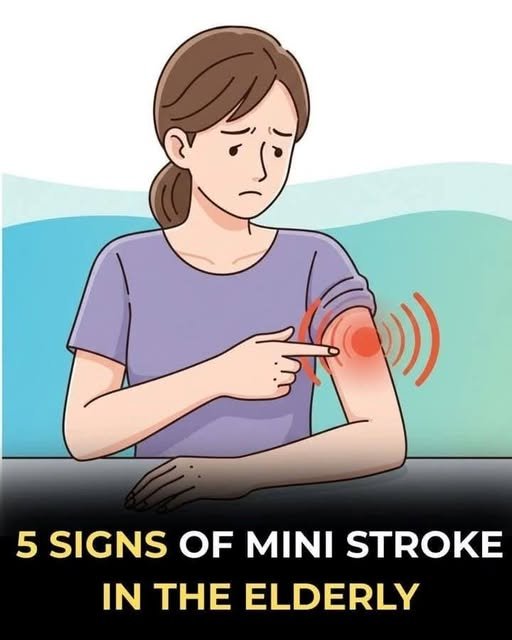
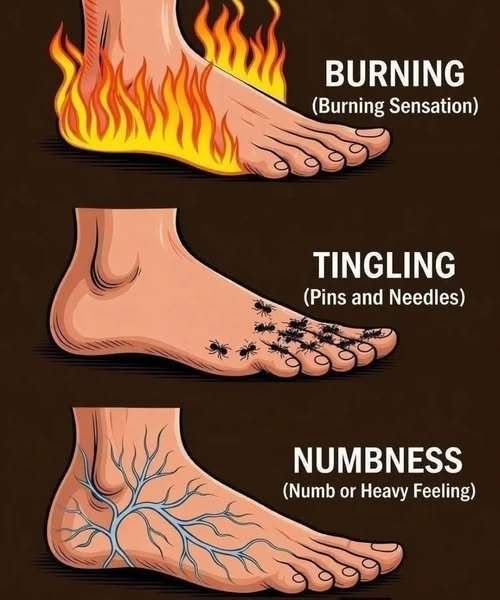
This is one of the most common and recognizable signs of a TIA. It manifests as a sudden loss of sensation or strength in the face, arm, or leg, typically affecting only one side of the body. A person may suddenly be unable to lift one arm, may drop objects they are holding, or may feel a “pins and needles” tingling sensation that is new and unexplained. In the elderly, this can be mistakenly attributed to a “sleeping” limb or arthritis, but the sudden onset and unilateral nature are key red flags.
2. Sudden Confusion or Difficulty Speaking and Understanding
A mini-stroke can disrupt the brain’s language centers, leading to sudden confusion, trouble finding the right words, or difficulty understanding what others are saying. Speech may become slurred or garbled. The person may appear awake but be unable to form coherent sentences. This is not the same as the occasional forgetfulness associated with aging; it is a sudden and distinct change in cognitive and communicative function.
3. Sudden Vision Problems
Visual disturbances are a classic sign of a TIA. This can include sudden blurred vision, loss of vision in one eye (often described as a “curtain” coming down), or double vision. The person may report “seeing double” or having difficulty focusing. These visual changes are often brief but are a serious indicator of compromised blood flow to the parts of the brain responsible for processing sight.
4. Sudden Dizziness, Loss of Balance, or Trouble Walking
A TIA can affect the cerebellum or brainstem, areas responsible for coordination and balance. This can lead to sudden dizziness, a sensation of vertigo (a spinning feeling), or an unexplained loss of balance that makes walking difficult. An elderly person might suddenly feel unsteady on their feet or veer to one side while walking. While dizziness is a common complaint with many causes, a sudden, severe episode accompanied by other symptoms should be treated with suspicion.
5. A Sudden, Severe Headache
While not always present, a sudden, severe headache—often described as the worst headache of one’s life—can be a symptom of a TIA or a stroke. This is different from a typical tension headache or migraine. In the elderly, any new, explosive, or unusually intense headache warrants immediate medical attention.
The FAST Response: A Life-Saving Acronym
Given the subtlety of some TIA symptoms, health organizations worldwide promote the FAST acronym as a simple, memorable tool to quickly identify a stroke or TIA and prompt immediate action.
F (Face): Ask the person to smile. Does one side of their face droop? Is their mouth or eye drooping?
A (Arms): Ask the person to raise both arms and keep them there. Does one arm drift downward or feel weak or numb?
S (Speech): Ask the person to repeat a simple phrase. Is their speech slurred, garbled, or strange? Do they have trouble understanding you?
T (Time): If you observe any of these signs, it is time to call emergency services immediately. Do not wait for the symptoms to improve.
The FAST test is designed to catch the most common signs of a stroke, but it is important to remember that a TIA can also cause the other symptoms listed above, such as vision loss, dizziness, and confusion. If any sudden neurological symptom appears, act with the same urgency.
Risk Factors and Causes: Who Is Most Vulnerable?
While anyone can experience a TIA, the risk increases significantly with age. The underlying causes are often related to conditions that damage blood vessels or increase the likelihood of blood clots. The primary risk factors for a mini-stroke are strikingly similar to those for a full stroke and include:
High Blood Pressure (Hypertension): The single most significant risk factor for stroke and TIA.
Heart Disease, including Atrial Fibrillation: An irregular heartbeat can cause blood to pool and form clots that travel to the brain.
High Cholesterol: Contributes to the buildup of plaque in the arteries.
Diabetes: Damages blood vessels over time.
Smoking: Accelerates vascular damage and increases clotting risk.
Heavy Alcohol Use: Can raise blood pressure and contribute to other risk factors.
Obesity and Physical Inactivity: Associated with hypertension, diabetes, and unhealthy cholesterol levels.
A Previous TIA or Stroke: A history of these events is a major predictor of future occurrences.
When to Seek Emergency Care: The Golden Hour
The most critical message regarding mini-strokes is this: a TIA is a medical emergency, regardless of how quickly the symptoms resolve.
The National Institute of Neurological Disorders and Stroke (NINDS) and the NHS both emphasize that there is no way to immediately tell whether symptoms are from a TIA or a full stroke. The temporary nature of TIA symptoms does not negate the need for urgent evaluation. The goal is to be assessed by a medical professional as soon as possible, ideally within an hour of the symptoms starting, to determine the cause and initiate treatment to prevent a major stroke.
Call for an ambulance immediately. Do not attempt to drive yourself or a loved one to the hospital. Emergency medical services can begin assessment and ensure rapid transport to an appropriate facility.
Note the time. When the symptoms first began is crucial information for the medical team.
Do not wait for symptoms to improve. Even if the symptoms vanish before the ambulance arrives, a hospital assessment is still absolutely necessary.
Diagnosis and Treatment: The Path to Prevention
Upon arrival at the hospital, a doctor will perform a physical and neurological examination and review the person’s medical history. Imaging tests, such as an MRI or CT scan of the brain, may be ordered to check for any signs of brain damage and to rule out other causes. Blood work and heart monitoring can help identify underlying conditions like high cholesterol or an irregular heartbeat that may have contributed to the event.
The treatment for a TIA is not to treat the TIA itself, as the blockage has already resolved. Instead, the focus is entirely on preventing a future stroke. This typically involves a multi-pronged approach:
Medications: To control blood pressure, lower cholesterol (e.g., statins), and prevent blood clots (e.g., antiplatelet drugs like aspirin or anticoagulants).
Lifestyle Changes: Adopting a heart-healthy diet, increasing physical activity, quitting smoking, and limiting alcohol intake.
Procedures: In some cases, surgery may be recommended to open a narrowed carotid artery in the neck that supplies blood to the brain.
Conclusion: Vigilance Is the Best Defense
For the elderly and those who care for them, recognizing the signs of a mini-stroke is a critical responsibility. The five key symptoms—sudden weakness or numbness on one side, confusion or speech difficulty, vision changes, dizziness or loss of balance, and a severe headache—are the body’s desperate alarms. They signal an impending vascular crisis that demands immediate attention.
The temporary nature of a TIA is a cruel trick of biology, lulling individuals into a false sense of security. The brief resolution of symptoms is not a sign that the danger has passed; it is a warning that the next event could be permanent and devastating. By committing the FAST acronym to memory, understanding the broader range of potential symptoms, and acting with unwavering urgency, you can transform a potential tragedy into a critical opportunity for life-saving medical intervention. In the battle against stroke, every minute counts, and recognizing the signs is the first and most powerful step.
Frequently Asked Questions
What is the difference between a mini-stroke and a stroke?
A mini-stroke (TIA) is caused by a temporary blockage of blood flow to the brain, and its symptoms typically resolve within minutes to hours without causing permanent brain damage. A full stroke involves a longer-lasting blockage or a bleed in the brain, leading to permanent tissue damage and potentially lasting disability. However, a TIA is a major warning sign for a future stroke.
Can a mini-stroke happen without me noticing?
It is possible, especially in the elderly, for TIA symptoms to be subtle or fleeting, leading them to be dismissed as a “funny turn” or fatigue. Symptoms like brief dizziness or confusion can be easily overlooked. This is why being aware of the signs and taking any sudden, unexplained neurological symptom seriously is crucial.
How long do mini-stroke symptoms last?
The symptoms of a TIA usually last for only a few minutes, but they can persist for up to 24 hours before completely resolving. The key is that they are temporary. However, the risk of a major stroke in the days following a TIA is high, so immediate medical evaluation is essential even if symptoms have stopped.
What should I do if I suspect someone is having a mini-stroke?
Call for emergency medical help immediately. Do not wait to see if the symptoms go away. Note the time when the symptoms started, as this is important information for the doctors. Even if the person seems to recover fully, they need urgent medical assessment to determine the cause and prevent a more severe stroke.
Are there any permanent effects of a mini-stroke?
By definition, a transient ischemic attack does not cause permanent brain damage. However, it is a significant risk factor for a future stroke, which can cause lasting effects. The “permanent effect” of a TIA is the increased risk it creates, which must be managed with medical treatment and lifestyle changes.
What is the FAST acronym and how does it help?
FAST is a simple tool to help remember the most common signs of a stroke or TIA: Face drooping, Arm weakness, Speech difficulty, and Time to call emergency services. It is an effective way to quickly assess a situation and prompt immediate action.
Can a mini-stroke be prevented?
Yes, the risk of a mini-stroke and a subsequent stroke can be significantly reduced. Prevention involves managing key risk factors such as high blood pressure, diabetes, and high cholesterol. This includes taking prescribed medications, eating a healthy diet, staying physically active, quitting smoking, and limiting alcohol intake.