Fruits That Dissolve Blood Clots: Separating Dietary Science from Dangerous Medical Myths
The Critical Interaction: Vitamin K and Warfarin
Perhaps the most dangerous aspect of the “eat fruit to fix clots” advice is its potential to interfere with prescribed anticoagulants. Warfarin (Coumadin) works by inhibiting vitamin K-dependent clotting factors. Patients on warfarin must maintain a consistent intake of vitamin K to keep their INR (International Normalized Ratio) in a therapeutic range. Many foods promoted for heart health, including certain berries, avocados, and dried fruits, contain variable amounts of vitamin K. Suddenly increasing fruit intake based on a viral trend can cause INR to drop, rendering the medication ineffective and exposing the patient to clotting risk. Conversely, eliminating these foods can cause INR to spike, leading to hemorrhage. This delicate balance is why doctors emphasize consistency over avoidance. Patients should never drastically alter their diet without consulting their anticoagulation clinic. The “natural remedy” can inadvertently become a poison if it destabilizes the very medication keeping the patient alive.
Antiplatelet Foods and Bleeding Risk
Even for patients not on warfarin, combining multiple “blood-thinning” foods with prescription antiplatelets like clopidogrel or aspirin can increase bleeding risk. Garlic, ginger, ginkgo, and high-dose fish oil supplements all have mild antiplatelet effects. While individually safe, stacking them can create a synergistic effect that prolongs bleeding time. A patient might think they are being proactive by adding ginger tea and garlic supplements to their regimen, unaware that they are essentially self-medicating with unstandardized doses. This is particularly risky before surgery or dental procedures, where undisclosed supplement use can lead to complications. Healthcare providers need to take detailed dietary histories, asking specifically about “heart-healthy” trends. Patients must understand that natural substances are pharmacologically active; they are drugs in a botanical package and deserve the same respect and caution as synthetic pharmaceuticals.
The Sugar Trap in Heart-Healthy Diets
A paradoxical risk in following “fruit cures” is the excessive consumption of sugar. Fruit juice, dried fruit, and smoothies can deliver massive glycemic loads. High blood sugar spikes insulin and promotes inflammation, endothelial dysfunction, and glycation of proteins—all of which increase thrombotic risk. A person drinking liters of pineapple juice to “dissolve clots” may actually be accelerating the vascular damage that causes clots. Whole fruits are superior because fiber slows absorption, but even whole fruit has limits. The American Heart Association recommends limiting added sugars, and while fruit sugar is natural, the metabolic impact of excessive fructose is still relevant for those with insulin resistance or diabetes. The lesson is moderation and form: whole fruit over juice, varied colors over单一 mono-diets, and mindful portion sizes. Health is not achieved by megadosing any single substance, natural or otherwise.
Hydration: The Overlooked Anticoagulant
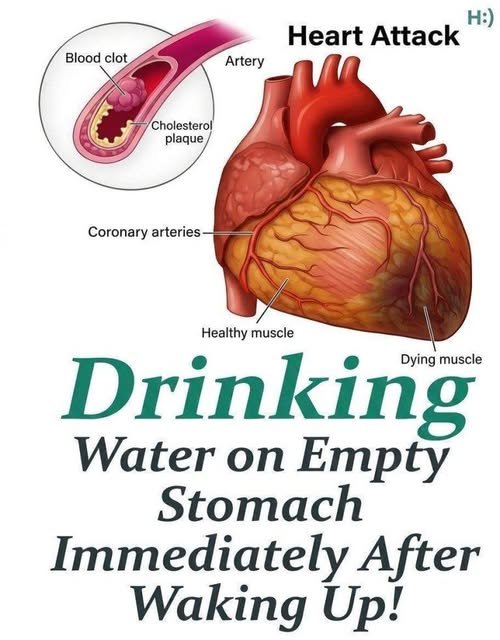
Amidst the focus on exotic fruits and enzymes, the most potent and accessible “blood thinner” is often ignored: water. Dehydration increases blood viscosity, making it thicker and more prone to clotting. For elderly patients or those with limited mobility, adequate hydration is a frontline defense against DVT. Unlike fruit, water has no drug interactions, no sugar load, and no contraindications. It simply maintains plasma volume and flow dynamics. Encouraging patients to drink sufficient water is often more clinically impactful than suggesting they eat three kiwis a day. The viral image shows a spoonful of oil, perhaps implying lubrication, but internal lubrication comes from fluids. Integrating proper hydration into the narrative of clot prevention grounds the discussion in basic physiology. It reminds us that sometimes the simplest solutions are the most effective, and that complex dietary protocols should not distract from fundamental needs.
Fiber and the Gut-Heart Axis
Emerging research highlights the gut microbiome’s role in cardiovascular health. Certain gut bacteria metabolize dietary fiber into short-chain fatty acids (SCFAs) like butyrate, which have systemic anti-inflammatory effects. Other bacteria metabolize nutrients like choline and carnitine into TMAO (trimethylamine N-oxide), a compound strongly linked to thrombosis and atherosclerosis. Diets high in diverse plant fibers promote beneficial bacteria that suppress TMAO production. Thus, the benefit of fruit may lie as much in feeding the gut as in direct vascular effects. This shifts the focus from specific “magic bullets” to overall dietary diversity. Eating a wide variety of fruits, vegetables, legumes, and grains creates a resilient microbiome that supports vascular health holistically. This perspective discourages the fixation on single foods and encourages the adoption of sustainable, diverse eating patterns that yield compounding benefits over time.
The Placebo Effect and Lifestyle Confounders
When people adopt a “clot-dissolving” diet, they often simultaneously make other positive changes: they stop smoking, start walking, reduce stress, and pay closer attention to their bodies. These confounding variables make it difficult to attribute health improvements solely to the fruit. The placebo effect also plays a role; believing one is taking active steps toward healing can reduce stress hormones like cortisol, which in turn lowers blood pressure and inflammation. While this is beneficial, it complicates the scientific evaluation of specific foods. We must acknowledge that the ritual of healthy eating has value beyond biochemistry. However, we cannot prescribe placebo as a treatment for thrombosis. The goal is to harness the motivational power of these diets while anchoring them in evidence-based practice. We want patients to feel empowered by their choices, but we also want those choices to be physiologically sound.