Experts Caution Against Using Air Fryers Instead of Ovens
The Maillard Reaction and Acrylamide Formation
When you cook starchy foods—potatoes, bread, grains—at high temperatures (above 120°C or 248°F), a chemical process known as the Maillard reaction occurs. This reaction is responsible for the delicious browning, the savory flavor, and the satisfying crispness of a French fry. However, the Maillard reaction also naturally produces acrylamide.
Acrylamide is a chemical that forms when sugars and amino acids (specifically asparagine) react under high heat. It is the same compound that is formed when you fry, roast, or bake starchy foods. The air fryer, which uses intense, circulating hot air at temperatures often reaching 400°F (200°C) to mimic the texture of deep frying, is an absolute powerhouse for creating acrylamide.
The Regulatory Warning
The International Agency for Research on Cancer (IARC) classifies acrylamide as a Group 2A substance, meaning it is “probably carcinogenic to humans.” While studies on the direct link between dietary acrylamide and cancer in humans are not entirely conclusive, regulatory bodies like the FDA and the European Food Safety Authority (EFSA) have issued strict guidance recommending that consumers reduce their intake of acrylamide as much as reasonably possible.
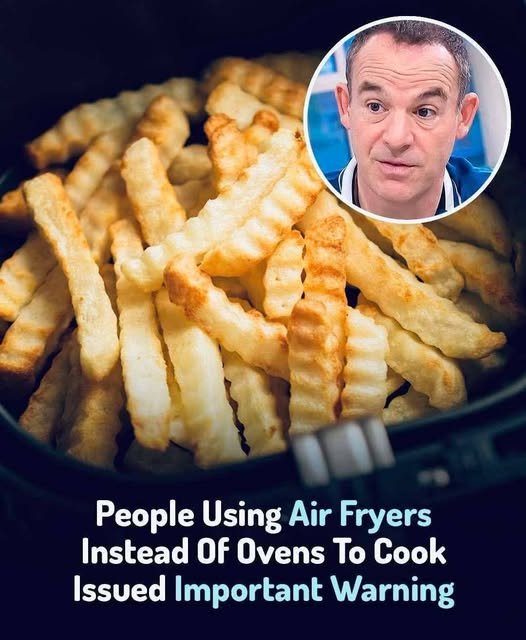
When you use an air fryer instead of an oven, the risk of acrylamide formation can actually increase. The concentrated, high-speed heat of an air fryer can brown the outside of the food (and thus create acrylamide) much faster than a traditional oven. If you cook crinkle-cut fries—which have an increased surface area due to the ridges—the potential for acrylamide formation is exceptionally high. A study published in the Journal of the Science of Food and Agriculture noted that air-fried potatoes can contain acrylamide levels comparable to or even higher than those cooked via other methods, depending on the temperature and time.
The “Over-Browning” Trap
The warning is particularly acute for people who prefer their fries “extra crispy.” The darker the brown, the higher the acrylamide content. The experts caution that the air fryer’s efficiency at producing a deep, dark crust means that users are inadvertently creating a highly acrylamide-rich food product if they are not careful.
The Non-Stick Coating Hazard: The PFAS and Teflon Concern
The image clearly shows the fries sitting inside a dark, non-stick basket. Almost all air fryers on the market utilize a non-stick coating, typically Polytetrafluoroethylene (PTFE), commonly known by the brand name Teflon. This coating is essential for making the basket easy to clean and preventing food from sticking. However, this coating is at the center of a major safety debate.
The Danger of the “Hot” Fumes
Experts warn that when PTFE-coated surfaces are heated to temperatures above 500°F (260°C), they begin to break down and release toxic fumes. This condition, known as polymer fume fever, can cause flu-like symptoms in humans, including chills, fever, headache, and body aches. Air fryers are designed to operate below this threshold, but the intense, concentrated heat near the heating element can cause the coating to degrade over time.
The Scratched Basket Issue
The true danger, however, is not just the heat; it is the physical degradation of the basket. The image of fries implies frequent use. Over time, with the use of metal tongs, aggressive scrubbing with abrasive sponges, or the wear and tear of daily cooking, the non-stick coating will scratch and peel.
When the coating is scratched, it releases microplastics into your food. Furthermore, the chemical compounds used to make these non-stick surfaces belong to the family of PFAS (per- and polyfluoroalkyl substances), also known as “forever chemicals.” PFAS have been linked to a host of health issues, including immune system suppression, liver damage, hormonal disruption, and an increased risk of certain cancers. Experts caution that if your air fryer basket is heavily scratched or peeling, it should be replaced immediately, as cooking in a damaged non-stick appliance can be a major health hazard.
Fire and Electrical Hazards: The Forgotten Risks
Beyond the long-term health implications, the physical operation of an air fryer carries immediate safety warnings. The appliance is essentially a miniature, high-powered convection oven that operates at extreme temperatures.
The Parchment Paper Catastrophe
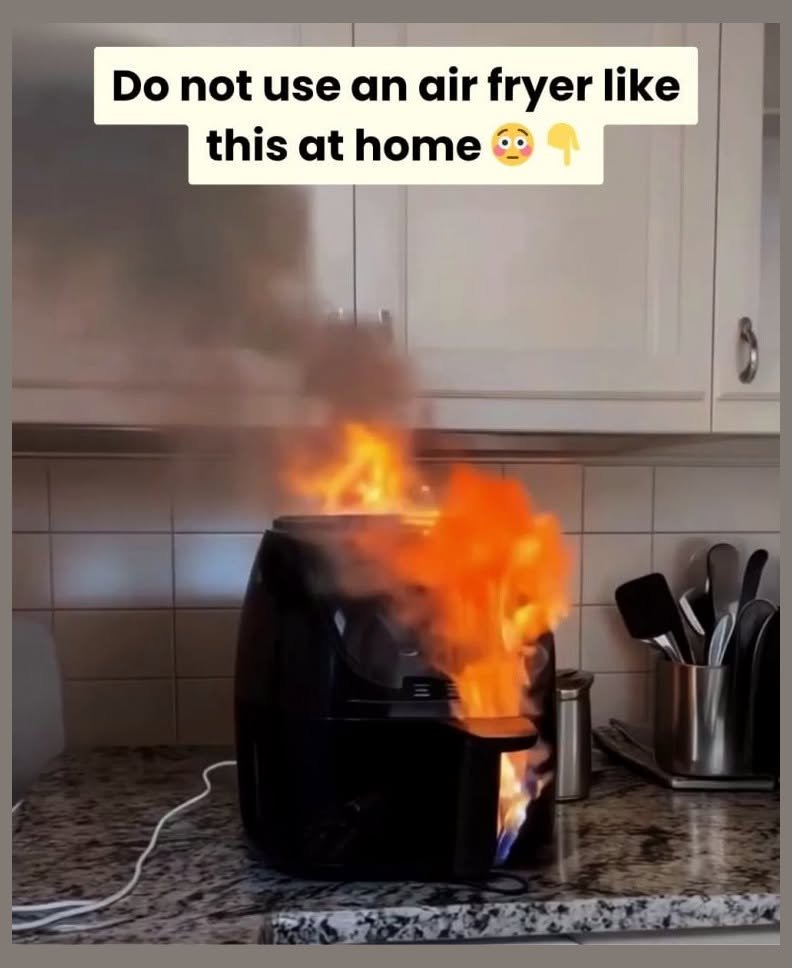
One of the most popular “hacks” on social media is using parchment paper or aluminum foil in the air fryer basket to make cleanup easier. Experts issue an urgent warning against this practice. Because the air fryer uses a powerful internal fan to circulate heat, lightweight parchment paper can easily be sucked up into the exposed heating element at the top of the machine. This almost instantly ignites the paper, causing a fire inside the appliance. If you must use parchment, experts stress that it must be specifically designed for air fryers (with perforations) and heavily weighed down by food so it cannot fly up.