Dry Mouth: A Big Warning Sign You Shouldn’t Ignore
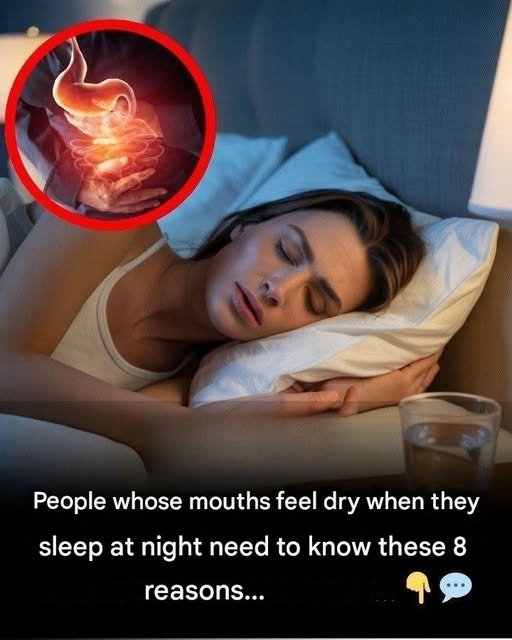
The image above features an older woman with her mouth open, showing a dry, textured tongue, accompanied by the text: “DRY MOUTH? BIG WARNING SIGN.” An inset illustration shows the anatomy of the throat and mouth.
Dry mouth, clinically known as xerostomia, is a common condition that occurs when the salivary glands do not produce enough saliva to keep the mouth moist. While it can be a temporary annoyance, persistent dry mouth can be a warning sign of underlying health issues and can lead to significant dental problems.
Why Saliva Matters
Saliva plays a crucial role in oral health. It helps wash away food particles, neutralize acids produced by bacteria, and prevent tooth decay. It also aids in chewing, swallowing, and speaking. When saliva production decreases, these functions are compromised, and the risk of dental issues increases.
Common Causes of Dry Mouth
Dry mouth can be caused by a variety of factors:
Medications: Many prescription and over-the-counter medications list dry mouth as a side effect. These include antihistamines, decongestants, antidepressants, and medications for high blood pressure.
Aging: While aging itself is not a direct cause, older adults are more likely to experience dry mouth due to increased use of medications and a higher prevalence of certain health conditions.
Medical Conditions: Conditions such as diabetes, autoimmune disorders like Sjögren’s syndrome, and nerve damage can affect saliva production.
Dehydration: Not drinking enough water can lead to dry mouth.
Lifestyle Factors: Smoking, alcohol consumption, and caffeine can contribute to dryness.
Nerve Damage: Injury or surgery to the head and neck area can affect the nerves that signal saliva production.
Why It’s a Warning Sign
Persistent dry mouth should not be ignored. It can be a symptom of a more serious underlying condition, such as diabetes or an autoimmune disease. Additionally, chronic dry mouth can lead to complications, including:
Tooth Decay: Without saliva to wash away food and bacteria, the risk of cavities increases.
Gum Disease: Dry mouth can contribute to gum inflammation and infection.
Oral Infections: Conditions like thrush (a fungal infection) are more common when saliva is reduced.
Difficulty Eating and Swallowing: Dry mouth can make it hard to chew and swallow food.
What You Can Do
If you are experiencing dry mouth, there are several steps you can take to find relief:
Stay Hydrated: Drink water regularly throughout the day and keep a glass by your bedside.
Chew Sugar-Free Gum: This can help stimulate saliva production.
Avoid Caffeine and Alcohol: Both can contribute to dryness.
Use a Humidifier: Adding moisture to the air can help prevent dryness, especially at night.
Practice Good Oral Hygiene: Brush and floss regularly, and consider using a mouthwash designed for dry mouth.
When to See a Doctor
If dry mouth persists despite lifestyle changes, or if it is accompanied by other symptoms such as difficulty swallowing, a burning sensation, or a persistent sore throat, it is important to consult a healthcare professional. They can help identify the root cause and recommend appropriate treatment.
Conclusion
Dry mouth is a common condition, but it should not be dismissed as a minor inconvenience. It can be a warning sign of an underlying health issue and can lead to serious dental problems if left untreated. Paying attention to this symptom and seeking timely medical advice is the best way to protect your oral and overall health.