Decoding the Washing Machine Drawer: What Compartments 1, 2, and 3 Actually Mean
Compartment 3: The Fabric Softener (The Delicate Balance)
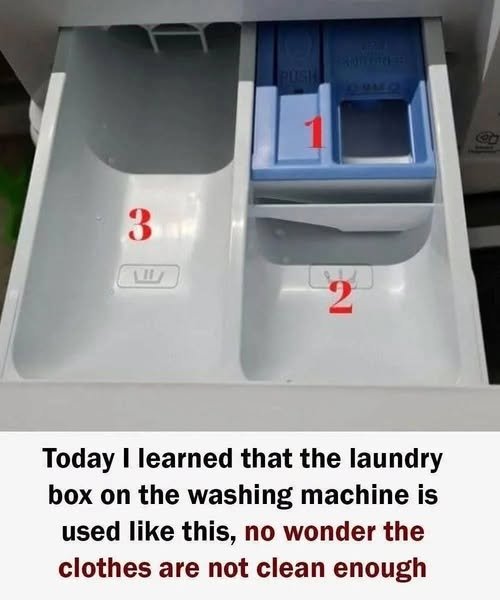
Compartment 3, prominently marked on the left side of the image, is the largest compartment. It is almost always marked with a flower symbol or a star.
What goes here:ONLY liquid fabric softener or a specialized liquid laundry scent booster.
How it works: This compartment has a unique design. It uses a siphon tube in the center. When the machine reaches the final rinse cycle, a small amount of water is released into this compartment. The water mixes with the fabric softener until the liquid level rises above the top of the siphon tube, at which point the entire mixture is suctioned down into the drum.
Why it matters: Fabric softener works by coating the fibers of your clothes with a thin layer of lubricating chemicals to make them feel soft and reduce static. It is designed to be applied after the soap has been rinsed away. If you put detergent in this slot, it will coat the clothes in soap during the final rinse, leaving them crunchy and prone to trapping dirt in the next wash.
The “MAX” Line Rule: Never fill compartment 3 past the “MAX” line. If you do, the liquid will immediately siphon into the drum at the start of the wash, meaning your clothes are being softened before they are even washed.
Special Considerations for Different Detergents
The image shows a standard liquid setup, but modern laundry products require specific handling.
1. Laundry Pods/Pacs
If you are using single-dose pods (like Tide Pods or Kirkland Signature), do not put them in the detergent drawer. The drawer is not designed to dissolve the plastic casing of the pod, and the pod can become lodged in the plumbing, causing a severe clog. Pods should always be placed directly into the empty washing drum before adding clothes.
2. Powder Detergent
Powder detergent works perfectly in compartment 2. However, if you live in a cold climate, or if your machine uses cold water, powder detergent might clump and fail to dissolve, leaving white residue on your clothes. In this case, it is often better to put the powder directly into the drum in a detergent ball.
3. Bleach
Liquid chlorine bleach should never be poured into the detergent drawer. Bleach must be placed in the specific, dedicated bleach dispenser (often a separate pull-out tube or a compartment marked with a triangle). Putting bleach in the main wash or softener compartment can ruin the plastic drawer components and damage your clothes.
The Maintenance Mistake: A Drawer Full of Mold
The text in the viral post says, “no wonder the clothes are not clean enough.” One of the biggest reasons for this is a dirty drawer.
The Hidden Sludge
Liquid detergent and fabric softener leave a sticky residue. Over time, this residue mixes with lint and bacteria, creating a thick, dark sludge in the compartments and in the housing where the drawer sits.
If you wash your clothes with a moldy drawer, that mold and bacteria are being sprayed directly into your drum. This is the source of the infamous “musty washing machine smell” that permeates clean clothes.
How to Clean It
Remove the Drawer: Most drawers have a small button or lever (usually near the softener compartment) that allows you to pull the entire drawer out.
Soak and Scrub: Soak the drawer in hot, soapy water (or a mixture of baking soda and vinegar). Use an old toothbrush to scrub the corners and the siphon tube.
Clean the Housing: Look inside the empty slot on the machine. Use a cloth and a vinegar spray to wipe away any mold or lint buildup in the water jets.
Leave it Open: After every wash, leave the drawer slightly pulled out to allow it to air dry, preventing mold growth.
Conclusion: Small Changes, Brilliant Results
The viral image of the numbered detergent drawer is a powerful reminder that the appliances we rely on every day have specific, engineered logic behind their design. The confusion is entirely understandable, but the consequences—clothes that are dull, stiff, and smelly—are frustrating.
By taking a moment to understand the sequence of the compartments (1 for pre-wash, 2 for the main wash, and 3 for the final rinse softener), you can drastically improve the performance of your machine. Always use the recommended amount of detergent, avoid pods in the drawer, and keep the compartments clean and dry. Once you align your laundry routine with the engineering of your machine, you will finally achieve the fresh, brilliantly clean results your clothes deserve.
Frequently Asked Questions
What is the most common mistake with the washing machine drawer?
The most common mistake is putting the main detergent in compartment 3 (the fabric softener slot). This causes the detergent to be released during the final rinse, leaving clothes stiff and unclean.
Can I put laundry pods in the detergent drawer?
No. Laundry pods must always be placed directly into the empty washing drum before you add your clothes. Putting them in the drawer can cause them to get stuck and clog the water jets.
What do the symbols on the washing machine drawer mean?
The Roman numeral “I” means pre-wash. The Roman numeral “II” means main wash (detergent). The flower symbol means fabric softener.
Why does my fabric softener stay in the drawer?
If your fabric softener remains in compartment 3, you may have filled it past the MAX line, or the machine may not be getting enough water pressure to trigger the siphon. It is also possible that the siphon tube is clogged with old, thick softener.
Can I mix powder and liquid detergent?
It is generally not recommended to mix them in the same compartment, as they may clump together. If you want to use both, put the powder in the drum and the liquid in compartment 2.
Why do my clothes smell musty after washing?
Musty clothes are usually caused by a moldy detergent drawer, leaving clothes in the machine too long after the cycle ends, or washing exclusively in cold water. Clean the drawer regularly and run a hot maintenance cycle once a month.
Where does the bleach go?
Bleach should go in a dedicated bleach compartment, usually marked with a triangle symbol. Never put bleach in the main wash or fabric softener compartments, as it can damage the machine’s plastic parts.
Should I leave the detergent drawer open?
Yes. After every wash, leave the detergent drawer slightly pulled open and the washing machine door ajar. This allows air to circulate and prevents the buildup of moisture and mold.