Vinegar Is the Key to Whiter Whites and Softer Towels, but Most Use It Wrong: Here’s the Right Way
Laundry routines often feel like a losing battle against stiff towels, dull whites, and persistent odors. Many households turn to a simple kitchen staple—distilled white vinegar—as a natural, budget-friendly solution. Social media is flooded with claims that vinegar is the secret key to whiter whites and softer towels, but there is a critical caveat that many overlook: most people use it incorrectly.
Pouring vinegar directly into the wash drum alongside your detergent, or using it at the wrong time, can actually neutralize your soap, leave clothes less clean, and even damage your washing machine over time. Vinegar is not a replacement for detergent, but it is a powerful laundry tool when utilized in the right way and at the right moment in the wash cycle.
This comprehensive guide will decode the science behind white vinegar in laundry. We will explain exactly how much to use, which compartment it belongs in, how to use it as a natural fabric softener without damaging your towels, and the critical mistakes you must avoid to protect your clothes and your appliance.
The Science of Vinegar: Why It Works in Laundry
Distilled white vinegar is a mild acetic acid solution. Its cleaning power is rooted in its ability to break down alkaline substances. Most laundry detergents are alkaline by nature, designed to tackle acidic stains and oils. However, over time, detergent residue, minerals from hard water, and body oils can build up on fabric fibers.
Vinegar’s mild acidity dissolves these residues. This detoxifying action has an added benefit: it helps fabrics feel softer and less starchy, and can even make whites appear whiter by clearing away the dulling film of soap and minerals. It is also highly effective at neutralizing persistent odors by tackling the bacteria and residue that trap them.
The Right Way: Where and When to Use Vinegar
The single most important rule of using white vinegar in laundry is this: never mix it directly with your detergent in the main wash cycle. Detergents are formulated for specific pH levels; adding an acid can disrupt this balance and reduce cleaning performance.
The Fabric Softener Compartment
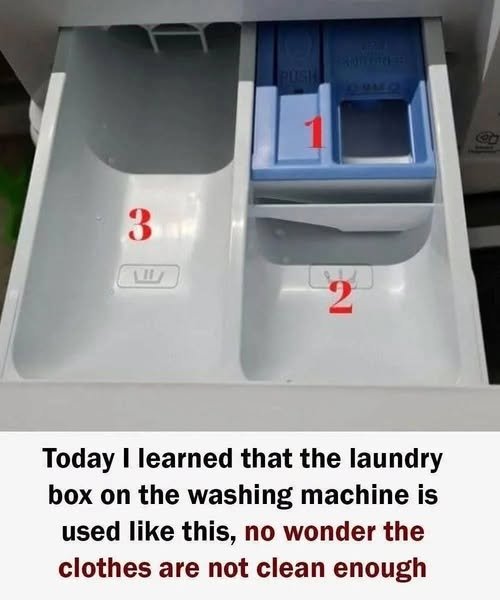
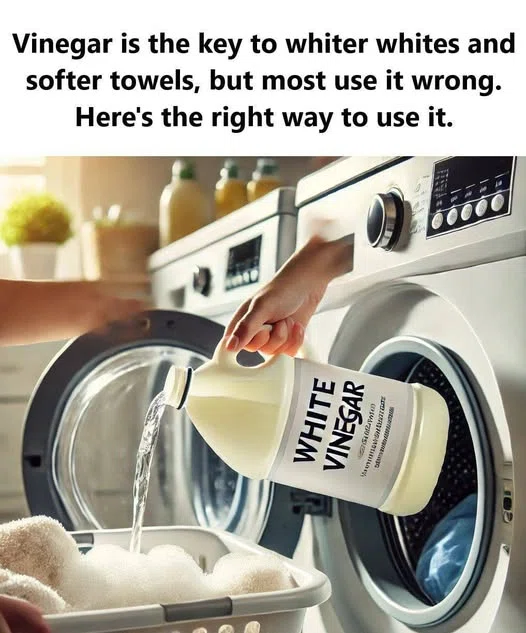
To get the softening and brightening benefits without compromising the wash, you must pour the vinegar into the fabric softener compartment of your washing machine dispenser. The machine is programmed to release the contents of this compartment during the final rinse cycle.
By adding it at the rinse stage, the vinegar can effectively wash away any residual detergent and minerals without interfering with the main cleaning process. If your machine does not have a dispenser drawer, you should wait until the rinse cycle begins and add the vinegar directly to the drum.
The Correct Dosage
There is a common misconception that more vinegar equals more cleaning power, but this is false. Using too much can be counterproductive. The standard recommendation is:
For softening and general freshening: Add approximately half a cup (about 100–120 ml) of distilled white vinegar per load.
For heavily soiled or smelly laundry: You can increase the amount to 150–200 ml.
For a standard wash (alternative measurement): Some experts suggest using just 1–2 tablespoons (15–30 ml) of undiluted white vinegar is sufficient for typical loads.
You do not need to use vinegar in every single wash. Using it every few loads is enough to maintain softness and prevent buildup.
Vinegar for Softer Towels: Restoring Absorbency
Commercial fabric softeners work by depositing a thin, waxy film of surfactants on fabric fibers to make them feel smooth. While this feels nice, this film clogs the pores of towel fabric, severely reducing its ability to absorb water.
Vinegar offers a superior alternative for towels. Instead of coating the fibers, the acetic acid neutralizes and flushes out the built-up detergent residue that makes towels feel stiff and scratchy. By stripping away this residue, vinegar restores the natural, fluffy texture of the terry cloth and, crucially, revives the towel’s moisture-wicking absorbency.
For a deep clean and to completely strip towels of buildup, you can perform a laundry stripping process. Wash the towels in hot water with one cup of white vinegar and no detergent. Then, run a second wash cycle with hot water and half a cup of baking soda. Always use these two ingredients in separate cycles, as they neutralize each other when mixed together.
Vinegar for Whiter Whites: Brightening Without Bleach
Over time, white clothes can take on a grey or yellow tinge due to the accumulation of detergent residue, body oils, and mineral deposits. Vinegar can help restore brightness by dissolving this dulling film.
For routine brightening, adding half a cup of vinegar to the rinse cycle is effective. For whites that have become significantly discolored, a pre-soak is recommended. Soak the garments in a mixture of one cup of white vinegar to one gallon of hot water for one hour to overnight before washing them as usual.
Critical Mistakes and Risks: When Not to Use Vinegar
While vinegar is a versatile tool, it is not universally safe for all fabrics or situations. Using it incorrectly can cause damage.
1. Never Mix Vinegar with Chlorine Bleach
This is a dangerous chemical reaction. Mixing an acid (vinegar) with chlorine bleach releases toxic chlorine gas, which can cause severe respiratory irritation and is potentially fatal.
2. Avoid on Elastic and Delicate Fabrics
The acidity of vinegar can degrade the elasticity of spandex, elastane, and natural rubber over time. It is best to avoid using vinegar on activewear, swimsuits, leggings, and other garments with high elastic content to keep their stretch intact. For delicate fabrics like silk or wool, always check the care label first.
3. Do Not Use Cleaning Vinegar
“Cleaning vinegar” is much more acidic than regular distilled white vinegar and is not safe for use on fabrics or in washing machines. Always use regular, food-grade distilled white vinegar.
4. Be Mindful of Machine Components
Frequent, high-concentration use of vinegar can, over a long period, degrade the rubber gaskets, seals, and hoses inside a washing machine. However, when used correctly in the diluted rinse cycle at the recommended dosage, the concentration is too low to cause damage.
5. Vinegar is Not a Disinfectant
While vinegar has some antibacterial properties, it is not a registered disinfectant or sanitizer. It is excellent for softening, deodorizing, and removing residue, but if you need to sanitize laundry (for example, during an illness), you must use a proper laundry sanitizer or bleach.
Conclusion: A Simple Swap for Better Laundry
White vinegar is a remarkably effective, inexpensive, and natural alternative to chemical fabric softeners and harsh brightening agents. When used correctly—poured into the fabric softener compartment to be released during the final rinse—it can dissolve residue, soften towels, brighten whites, and eliminate odors without leaving a lingering vinegar scent.
The key to success is understanding that vinegar is a supporting player, not a substitute for detergent, and that timing is everything. By avoiding the common mistakes of mixing it with detergent or bleach and respecting its limitations on elastic fabrics, you can harness the power of this simple kitchen staple to transform your laundry routine, ensuring your clothes and towels are genuinely clean, soft, and fresh.
Frequently Asked Questions
Where is the correct place to put white vinegar in a washing machine?
You should pour the white vinegar into the fabric softener compartment of your washing machine’s dispenser drawer. This ensures it is released during the final rinse cycle, where it can effectively dissolve detergent residue and soften fabrics without interfering with the main wash.
How much white vinegar should I use per load of laundry?
For general softening and freshening, half a cup (about 100–120 ml) of distilled white vinegar is the standard recommended amount. For heavily soiled or smelly items, you can use up to 150–200 ml. You do not need to use it in every load.
Can I mix vinegar with my laundry detergent?
No. Mixing vinegar directly with your detergent in the main wash cycle can disrupt the detergent’s pH balance, reducing its cleaning effectiveness. Always add them separately, with the vinegar going into the rinse cycle via the softener compartment.
Does vinegar really make towels softer?
Yes. Unlike commercial fabric softeners that coat fibers with a waxy film, vinegar dissolves and flushes away the built-up detergent residue that makes towels feel stiff and scratchy. This restores the natural softness and absorbency of the towel.
Can vinegar whiten my white clothes?
Vinegar can help brighten whites by removing the dulling film of detergent and mineral buildup. For best results, soak dingy whites in a mixture of one cup of vinegar to a gallon of hot water before washing, or add half a cup to the rinse cycle.
Is it safe to use vinegar on all fabrics?
No. Vinegar can degrade the elasticity of spandex, elastane, and natural rubber over time. Avoid using it on activewear, swimsuits, and other garments with high elastic content. Always check the care label for delicate fabrics like silk or wool.
Can I mix vinegar with bleach in the wash?
Absolutely not. Mixing white vinegar with chlorine bleach creates a dangerous chemical reaction that releases toxic chlorine gas. Never use them together in the same wash cycle.
Will my clothes smell like vinegar after washing?
No. The acetic acid in the vinegar is highly volatile and fully rinses out during the wash and dry cycle. Even if you notice a faint vinegar scent when the wash is done, it will completely dissipate once the clothes are dry, leaving them smelling fresh and clean.
Should I use cleaning vinegar or regular white vinegar?
Always use regular distilled white vinegar (the kind sold in the grocery store for cooking). Cleaning vinegar is much more acidic and is not safe for use on fabrics or in washing machines.
Does vinegar disinfect laundry?
No. While vinegar has mild antibacterial properties, it is not a registered disinfectant. If you need to sanitize laundry, you should use a proper laundry sanitizer or bleach according to the product instructions.