Blood Pressure Drug Recalls Explained: What Patients Need to Know About Cancer-Causing Contamination
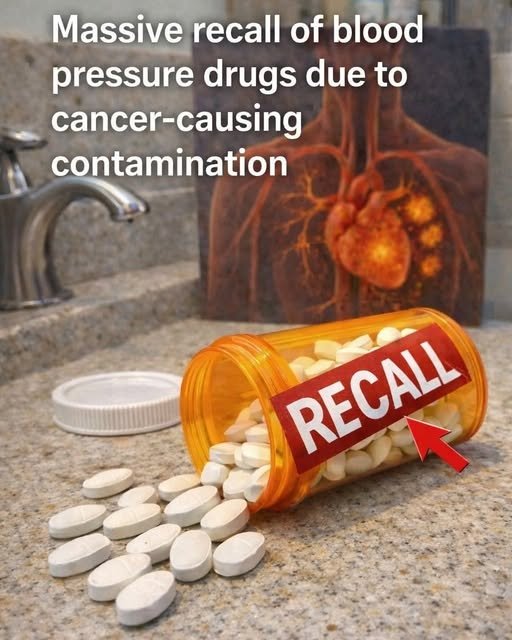
For millions of people, a daily blood pressure medication is a non-negotiable part of life. It is a trusted tool for managing hypertension and protecting the heart and brain from long-term damage. So when headlines announce a “massive recall” of these medications due to a “cancer-causing contamination,” it is understandable for patients to feel alarmed. The image above, showing a spilled bottle of pills with a bold “RECALL” sticker, captures the anxiety of that moment.
The reality, while serious, is far more nuanced than the alarming headlines suggest. The recalls, which began in 2018 and have continued in waves through recent years, are real. They involve a class of impurities called nitrosamines, which are classified as probable or potential human carcinogens. However, it is crucial to understand that these recalls are voluntary, lot-specific, and do not mean that all blood pressure medications are dangerous. The risk to any individual patient is considered low, and the danger of stopping medication abruptly is far greater than the risk posed by the impurity itself. This guide will explain what happened, which drugs were affected, what the contamination means, and the steps patients should take.
The Contaminants: What Are Nitrosamines?
The entire recall saga revolves around a group of chemical compounds known as nitrosamines. These are not unique to medications; they are common environmental contaminants found in trace amounts in water, grilled meats, dairy products, and vegetables. The specific nitrosamines identified in the recalled blood pressure drugs include:
NDMA (N-Nitrosodimethylamine): A probable human carcinogen.
NDEA (N-Nitrosodiethylamine): A probable human carcinogen.
NMBA (N-Nitroso-N-methyl-4-aminobutyric acid): A potential human carcinogen.
N-nitroso prazosin impurity C: A nitrosamine impurity found in the prazosin recall.
The presence of these chemicals in medications was unexpected. According to the FDA, the impurities may be generated when specific chemicals and reaction conditions are present during the manufacturing of the drug’s active pharmaceutical ingredient (API). They may also result from the reuse of materials, such as solvents, during the manufacturing process.
The First Wave: The “Sartan” Recalls (Valsartan, Losartan, Irbesartan)
The recalls began in July 2018 with valsartan, a widely prescribed angiotensin II receptor blocker (ARB) used to treat high blood pressure and heart failure. The initial recall involved specific lots of the drug that were found to contain NDMA. Over the following months, the recalls expanded to include other ARBs in the same class: losartan and irbesartan.
The recalls were not limited to one manufacturer. Companies including Teva, Camber Pharmaceuticals, and Lupin Pharmaceuticals issued voluntary recalls for specific lots of their products. The contamination was often traced back to the active pharmaceutical ingredients (APIs) manufactured by specific facilities, particularly in India and China. The FDA has since implemented stricter testing requirements and worked with international regulators to prevent the formation of these impurities.
The Prazosin Recall: A Different Drug, Similar Problem
The problem is not confined to ARBs. In October 2025, Teva Pharmaceuticals issued a voluntary recall of more than 580,000 bottles of prazosin hydrochloride, another medication used to treat high blood pressure. Testing revealed that certain 1 mg, 2 mg, and 5 mg capsules contained unacceptable levels of N-nitroso prazosin impurity C.
This recall was classified as a Class II recall by the FDA. This means the product may cause temporary or medically reversible adverse health consequences, but the probability of serious health consequences is considered remote.
The Crucial Question: What Is the Actual Cancer Risk?
Headlines about “cancer-causing” drugs can be terrifying, but it is essential to look at the actual risk estimates.
The FDA has provided quantitative estimates for the ARB recalls. For example, the agency estimated that if 8,000 people took the highest daily dose of valsartan (320 mg) containing NDMA from the recalled batches daily for four years, there might be one additional case of cancer over the lifetimes of those 8,000 people.
For the prazosin recall, the FDA classified it as Class II, meaning the probability of serious adverse health consequences is remote. The risk is based on long-term, high-level exposure. The FDA has emphasized that patients should not stop taking their medication without first consulting their doctor, as the immediate risks of uncontrolled high blood pressure—such as heart attack or stroke—are far greater than the potential long-term risk from the impurity.
What Should Patients Do? A Step-by-Step Guide
If you are taking a blood pressure medication, here is how to navigate the situation responsibly.
1. Do Not Stop Your Medication Abruptly This is the most important advice. Suddenly stopping blood pressure medication can cause a dangerous spike in blood pressure. The FDA and medical professionals consistently advise patients to continue taking their medication until they have spoken with a healthcare provider.
2. Check Your Medication’s Details Recalls are lot-specific. This means that not every bottle of a particular medication is affected. To determine if your medication is affected, you need to look at the following information on your prescription label:
Manufacturer or Labeler Name
National Drug Code (NDC)
Lot Number (usually next to the expiration date)
Active Ingredient(s)
You can then check the FDA’s recall database or contact your pharmacist to see if your specific lot has been recalled.
3. Contact Your Pharmacist or Doctor Your pharmacist is the most accessible resource. They can check your medication against the recall lists and, if necessary, help you get a replacement from a different, unaffected lot or a different manufacturer. If your medication is recalled, they will guide you on how to safely switch.
4. Do Not Panic The recalls are a precautionary measure. The levels of impurities found are often above the FDA’s strict interim acceptable intake limits, but the risk to any individual is considered low.
What Is the FDA Doing?
The FDA has taken significant steps to address the issue. The agency has:
Worked with manufacturers to identify the source of the impurities.
Developed and shared novel testing methods to detect nitrosamines.
Implemented stricter quality control requirements for drug manufacturing.
Maintained a publicly available list of recalled products to help patients and healthcare providers.
The recall of the “sartan” drugs was a major turning point for the pharmaceutical industry, leading to a global overhaul of manufacturing standards for nitrosamine impurities.
Frequently Asked Questions
Q: Are all blood pressure medications recalled? No. The recalls are limited to specific lots of certain drugs, primarily valsartan, losartan, irbesartan, and prazosin. Many other blood pressure medications, including amlodipine and hydrochlorothiazide (when not in combination with the affected ARBs), are not part of the recall.
Q: I take one of the recalled drugs. Am I going to get cancer? The risk is considered low. The FDA’s estimates suggest that even long-term exposure to the contaminated lots would result in a very small number of additional cancer cases. The risk of a heart attack or stroke from stopping your medication is much higher. Speak to your doctor or pharmacist about switching to a non-recalled lot or an alternative medication.
Q: How do I know if my medication is recalled? Check the manufacturer name, NDC number, and lot number on your prescription bottle against the FDA’s recall list. Your pharmacist can also check for you.
Q: Can I just stop taking my medication? No. Never stop taking a prescribed blood pressure medication without consulting your doctor. Doing so can have serious and immediate health consequences.
Q: What are nitrosamines? Nitrosamines are chemical compounds that are common in the environment, including in food and water. At high levels or with long-term exposure, some are considered probable or potential human carcinogens.
Q: Is the prazosin recall different from the ARB recalls? Yes, but the underlying cause is similar: contamination with nitrosamine impurities. The prazosin recall involved the specific impurity N-nitroso prazosin impurity C.
Q: What is a Class II recall? A Class II recall means that the product may cause temporary or medically reversible adverse health consequences, or that the probability of serious adverse health consequences is remote.
Q: How can I be sure my new medication is safe? Your pharmacist will ensure that the replacement medication is from a lot that has not been recalled. The FDA continues to monitor all blood pressure medications for these impurities.
Conclusion
The recalls of blood pressure medications due to nitrosamine contamination are a serious matter that has rightly prompted action from regulators and manufacturers. However, they do not mean that patients should abandon their treatment. The recalls are a precautionary measure addressing a low-level, long-term risk, while the immediate danger of uncontrolled hypertension is well-established. The most responsible course of action is to continue taking your medication, verify the details of your specific lot, and consult your pharmacist or doctor for personalized guidance. The system worked—it detected a problem, investigated its source, and took steps to protect patients. The key for patients is to stay informed, not alarmed.