The Ultimate Hungarian Palacsinta Recipe: Delicate, 5-Minute Golden Pancakes
There is a magical moment in cooking when a recipe transcends mere sustenance and becomes a deeply ingrained cultural tradition. The Hungarian palacsinta—the country’s beloved version of the thin pancake or crepe—is one such culinary masterpiece. Unlike the thick, fluffy American pancake that dominates breakfast tables across the United States, the palacsinta is a whisper of a pancake. It is paper-thin, incredibly delicate, and offers the perfect blank canvas for a dizzying array of both sweet and savory fillings.
The viral image showcasing four perfectly rolled palacsinta, generously stuffed with a creamy white filling and vibrant red fruit, captures the essence of this dish. The text promises a recipe that takes “5 minutes” and “melts in your mouth at the first bite.” While the batter itself requires a brief resting period to achieve that signature tenderness, the actual cooking process is remarkably fast. Once your pan is hot, each pancake takes barely a minute to cook.
Whether you are looking to recreate the exact fruit-and-cream roll from the image, or you want to explore the rich tapestry of Hungarian fillings—from sweet cottage cheese to savory minced meat—this comprehensive guide will walk you through every step. We will explore the cultural history of the palacsinta, the science of creating the perfect batter, the traditional techniques for flipping, and a masterclass in folding and filling. By the end of this article, you will have everything you need to bring a taste of Hungary into your own kitchen.
The Cultural Heritage of the Hungarian Palacsinta
To truly appreciate the palacsinta, one must understand its place in Hungarian culture. It is not just a dessert; it is a way of life. The word “palacsinta” is derived from the Latin placenta, which originally meant a flat cake. Over centuries, this culinary concept spread across Europe, evolving into the French crêpe, the Austrian Palatschinke, and the Hungarian palacsinta.
In Hungary, palacsinta is an incredibly versatile dish. It can be served as a hearty appetizer, a decadent main course, or a show-stopping dessert. It is the centerpiece of family gatherings, a comforting weeknight meal, and a staple of traditional Hungarian restaurants.
The “Monday Palacsinta” Tradition
In many Hungarian households, there is a beloved tradition known as “Hétfői palacsinta” or “Monday Palacsinta.” Sunday lunches in Hungary are famously elaborate, often featuring heavy, rich dishes like chicken paprikash or roasted meats, followed by a rich soup. To avoid wasting the leftover ingredients and to start the week with something comforting, Monday was dedicated to making palacsinta. The leftover meats would be ground and spiced to create a savory filling, while the leftover jams and cheeses would become a sweet dessert. This tradition highlights the economical, practical nature of the dish—it is a delicious way to use what you already have.
The Anatomy of the Perfect Palacsinta Batter
The secret to a melt-in-your-mouth palacsinta lies entirely in the batter. It must be incredibly thin, yet strong enough to hold its shape when filled and rolled. Achieving this perfect balance requires the right ratio of ingredients and a specific technique.
The Essential Ingredients
Flour: All-purpose flour is the standard choice. It provides the necessary structure. Some traditional recipes use a mix of all-purpose and fine pastry flour to ensure an even more delicate texture.
Eggs: Eggs provide richness, flavor, and act as a binding agent. They also help the batter adhere to the pan.
Milk: Whole milk is preferred for its fat content, which contributes to the tenderness of the pancake. The milk should be at room temperature to prevent the batter from becoming lumpy.
Carbonated Water (Soda Water): This is the secret ingredient in many traditional Hungarian recipes. A splash of carbonated water introduces tiny bubbles into the batter. When the batter hits the hot pan, these bubbles expand, creating an incredibly light, airy, and lacy texture.
Sugar and Salt: A pinch of salt enhances the flavor of the batter, while a small amount of sugar helps with browning. If making savory palacsinta, you can omit the sugar entirely.
Oil or Melted Butter: A small amount of fat is added to the batter to prevent sticking, and a little is also brushed onto the pan.
The Importance of Resting the Batter
The viral post claims a “5-minute” recipe, which refers to the rapid cooking time. However, for the best results, the batter must rest. After mixing the ingredients, the gluten in the flour needs time to relax. If you cook the batter immediately, the gluten will be tight, resulting in a tough, rubbery pancake. Allowing the batter to rest in the refrigerator for at least 30 minutes to an hour (or even overnight) yields a much more tender, delicate result.
Essential Equipment for the Perfect Cook
To make authentic palacsinta, you do not need a commercial kitchen, but having the right tools makes the process significantly easier.
The Palacsintasütő (Pancake Pan)
The traditional pan for making palacsinta is called a palacsintasütő. It is a shallow, flat pan with very low, sloping sides, typically measuring 8 to 10 inches in diameter. It is designed to allow a ladle of batter to spread evenly across the bottom without pooling at the edges. If you do not have a dedicated crepe pan, a well-seasoned, non-stick skillet of a similar size will work perfectly.
The Tools of the Trade
A Ladle: Using a ladle ensures you use the exact same amount of batter for every pancake, guaranteeing uniform size and cooking time.
A Crepe Spreader (or the Swirl Method): In Hungary, the batter is often spread by tilting and swirling the pan in a circular motion. However, a wooden crepe spreader (a T-shaped tool) is a fantastic modern tool that allows you to spread the batter perfectly thin in seconds.
A Spatula: A thin, flexible spatula (like a fish slice) is essential for flipping without tearing the delicate pancake.
A Pastry Brush: For lightly greasing the pan between batches.
The Master Recipe: Step-by-Step Palacsinta
This recipe yields approximately 12 to 14 delicate pancakes, perfect for filling with your favorite sweet or savory ingredients.
Ingredients
For the Batter:
1 1/4 cups (150g) all-purpose flour
2 large eggs
1 1/4 cups (300ml) whole milk
1/2 cup (120ml) plain carbonated water (soda water)
1 tablespoon granulated sugar (omit for savory)
1/2 teaspoon salt
1 tablespoon vegetable oil or melted butter
For the Pan:
1 tablespoon vegetable oil or melted butter, for brushing
Instructions
Prepare the Wet Ingredients: In a large mixing bowl, whisk together the eggs, milk, and carbonated water until well combined.
Combine the Dry Ingredients: In a separate bowl, whisk together the flour, sugar, and salt.
Create the Batter: Pour the dry ingredients into the wet ingredients. Add the 1 tablespoon of oil or melted butter. Whisk gently until the batter is just combined. Do not overmix. Small lumps are perfectly fine; they will disappear during the resting period. Overmixing will develop the gluten and make the pancakes tough.
Rest the Batter: Cover the bowl with plastic wrap or a clean kitchen towel and place it in the refrigerator for at least 30 minutes, or up to 12 hours. This allows the flour to fully hydrate and the gluten to relax.
Heat the Pan: Place your palacsintasütő or non-stick skillet over medium-high heat. Allow it to heat up thoroughly. A properly heated pan is crucial for preventing sticking.
Grease the Pan: Dip a pastry brush into the oil or melted butter and lightly brush the bottom of the hot pan. You want a very thin, almost invisible layer of fat. Too much oil will make the pancakes greasy, while too little will cause them to stick.
Pour and Spread: Using your ladle, pour about 1/4 cup (60ml) of the batter into the center of the hot pan. Immediately lift the pan off the heat and swirl it in a circular motion until the batter evenly coats the bottom in a thin layer. Alternatively, use a crepe spreader to quickly spread the batter in a circular motion.
Cook the First Side: Return the pan to the heat. Cook for about 45 seconds to 1 minute. You will know it is ready to flip when the edges begin to lift slightly from the pan and the surface of the batter looks dry and matte.
Flip and Cook: Slide your thin spatula under the edge of the pancake and quickly flip it over. Cook for another 15 to 20 seconds on the second side. The second side should have beautiful, lacy brown spots but should not be overly browned.
Keep Warm: Slide the cooked pancake onto a plate. Cover it with a clean, dry kitchen towel to keep it warm and soft while you cook the remaining batter. Repeat the greasing, pouring, and cooking process with the rest of the batter, stirring the batter slightly before each ladle to ensure it remains well mixed.
The Art of Filling and Folding
Once your palacsinta are cooked, the real fun begins. There are several traditional ways to fill and fold them, depending on the filling you choose.
The Classic Roll
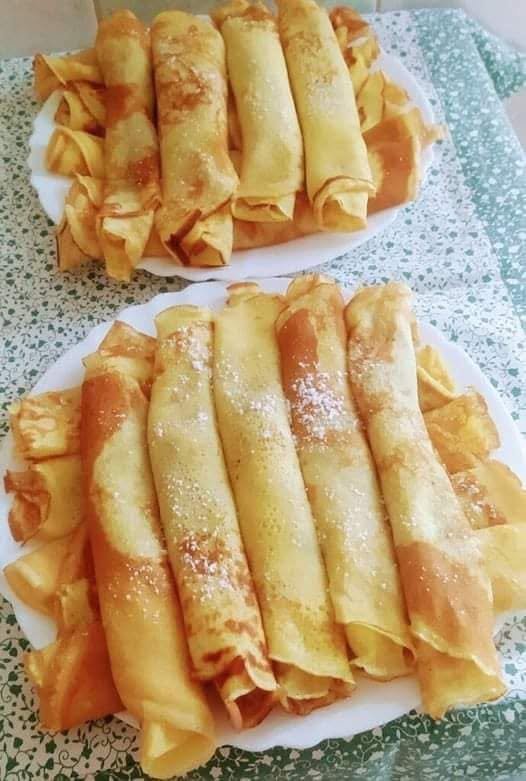
This is the method shown in the viral image. It is best for soft, creamy fillings, like the sweet cottage cheese or whipped cream and fruit shown in the photo.
Lay a warm pancake flat on a plate.
Spread the filling along one edge of the pancake, leaving a small border.
Fold the left and right sides of the pancake inward slightly (like a burrito).
Starting from the edge with the filling, tightly roll the pancake away from you into a cylinder.
The Envelope Fold
This is a classic French technique that works well for both sweet and savory fillings, preventing the filling from spilling out.
Lay the pancake flat.
Place the filling in the center.
Fold the top and bottom edges over the filling.
Fold the left and right edges over the center, creating a neat, square packet.
The Quarter Fold
This is the most traditional way to serve palacsinta in Hungarian households.
Lay the pancake flat.
Spread the filling over the entire surface.
Fold the pancake in half.
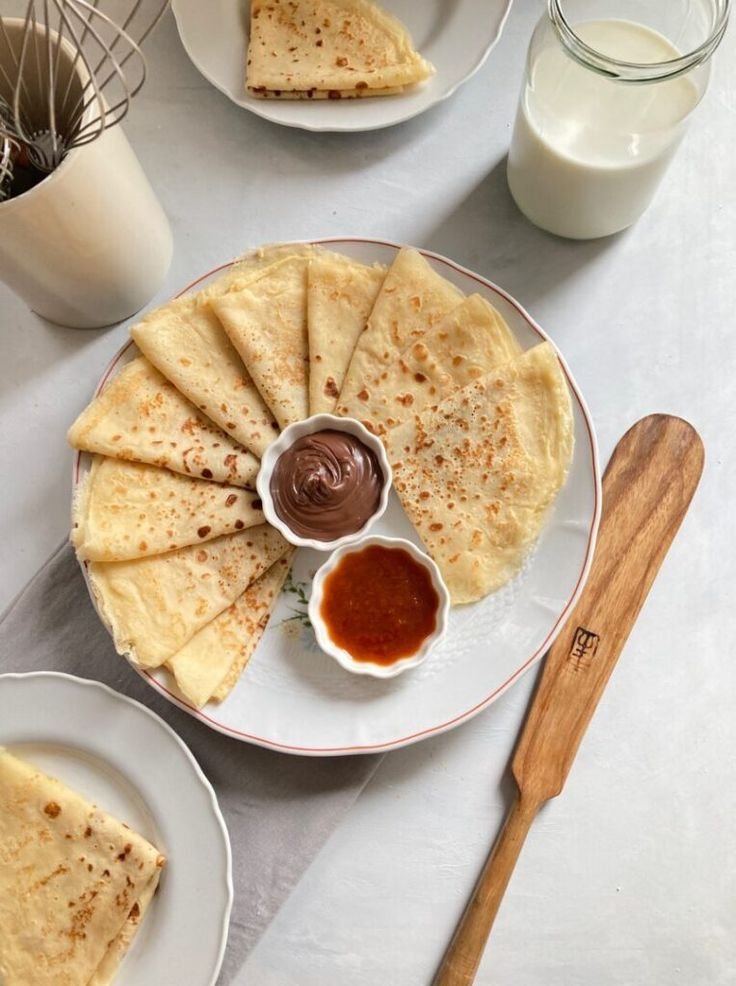
Fold it in half again, creating a triangle shape.
5 Classic Hungarian Fillings to Try
While the image features a beautiful cream and fruit filling, the world of palacsinta fillings is vast.
1. Túrós Palacsinta (Sweet Cottage Cheese)
This is perhaps the most beloved sweet filling. It is made by mixing Hungarian túró (a fresh, dry curd cheese) with powdered sugar, vanilla, and lemon zest. It is often served with a drizzle of sour cream and a dusting of powdered sugar. The image likely features a variation of this, perhaps with whipped cream added for a lighter texture.
2. Gundel Palacsinta
Invented by the famous Gundel restaurant in Budapest, this is the ultimate decadent dessert. The pancakes are filled with a rich, ground walnut mixture and topped with a warm, dark chocolate sauce. It is often flambéed with rum at the table.
3. Lekváros Palacsinta (Jam)
The simplest and most common filling. Apricot, plum, or strawberry jam is spread over the pancake, which is then rolled and dusted with powdered sugar.
4. Hortobágyi Palacsinta (Savory)
A beloved savory dish. The pancakes are filled with a flavorful mixture of minced veal or chicken, onions, and paprika. They are rolled up, placed in a baking dish, covered in a rich, creamy paprika sauce (often made with sour cream), and baked until bubbly.
5. Kakaós és Fahéjas (Cocoa and Cinnamon Sugar)
A childhood favorite. The warm pancakes are simply sprinkled with a mixture of sugar, cocoa powder, and cinnamon, rolled up, and enjoyed immediately.
Troubleshooting Common Palacsinta Mistakes
Even experienced cooks can run into trouble. Here is how to fix the most common issues.
The pancakes are tearing: This usually means the pan is not hot enough, or you are not using enough fat. Ensure the pan is thoroughly preheated and lightly greased before pouring the batter. Also, do not try to flip the pancake before the edges release naturally.
The pancakes are thick and rubbery: This is a sign of overmixing the batter, which develops too much gluten. It can also happen if you do not rest the batter. Mix just until combined and let it rest.
The pancakes are sticking to the pan: Your pan might not be properly seasoned, or you might not be using enough oil. Make sure to brush a thin layer of oil on the pan before every single pancake.
Storage and Reheating
If you have leftover pancakes, you can easily store them for later. Stack the cooled pancakes between sheets of parchment paper to prevent them from sticking together. Place the stack in an airtight container or a zip-top bag. They will keep in the refrigerator for up to 3 days, or in the freezer for up to 2 months. To reheat, simply warm them gently in a dry skillet over medium-low heat, or in the microwave for a few seconds until pliable.
Conclusion
The Hungarian palacsinta is a testament to the beauty of simple ingredients. Flour, eggs, and milk are transformed into something extraordinary through skill and tradition. Whether you enjoy them as a quick, sweet snack or an elaborate savory meal, these delicate, golden pancakes are a joy to make and a delight to eat. As you master the swirl of the pan and the art of the perfect flip, you are not just making a recipe; you are participating in a centuries-old culinary tradition.
Frequently Asked Questions
What is the difference between a palacsinta and a crepe?
They are essentially the same thing. Palacsinta is the Hungarian name for a thin pancake, while crepe is the French name. The main difference lies in the fillings and the cultural context in which they are served. Palacsinta often features sweet cottage cheese or savory paprika meat fillings, while crepes might feature Nutella, ham and cheese, or fruit.
Why do I need to add carbonated water to the batter?
Carbonated water introduces tiny bubbles of carbon dioxide into the batter. When the batter hits the hot pan, these bubbles expand, creating a lighter, airier, and more lacy pancake.
Can I make the batter ahead of time?
Yes, the batter can be made up to 12 hours in advance. In fact, resting the batter overnight in the refrigerator yields the most tender pancakes. Just give it a quick stir before using.
How do I get perfectly round palacsinta?
The key is a combination of a good pan, the right amount of batter, and a quick swirl. Use a ladle to measure the batter, pour it into the center of a hot pan, and immediately tilt and swirl the pan in a circular motion until the batter covers the bottom.
Can I freeze leftover palacsinta?
Yes, you can freeze cooked palacsinta. Stack them with parchment paper between each one, wrap them tightly in plastic wrap, and place them in a freezer bag. They can be frozen for up to 2 months. Thaw them in the refrigerator overnight before reheating.
What is the best pan for making palacsinta?
A traditional palacsintasütő is a shallow, flat pan with low sides. However, a good quality non-stick skillet (8 to 10 inches in diameter) works perfectly well for home cooks.
How do I keep my palacsinta warm while I cook the rest?
Place the cooked pancakes on a plate and cover them with a clean, dry kitchen towel. This traps the steam and keeps them warm and soft while you finish cooking the rest of the batter.
Can I use a blender to make the batter?
Yes, using a blender is a quick and easy way to make a perfectly smooth batter. Combine all the wet ingredients first, then add the dry ingredients and blend until just smooth. Be careful not to over-blend, as this can make the pancakes tough. Let the batter rest after blending.