The Critical Seconds of a Heart Attack: A Step-by-Step Guide to Saving a Life
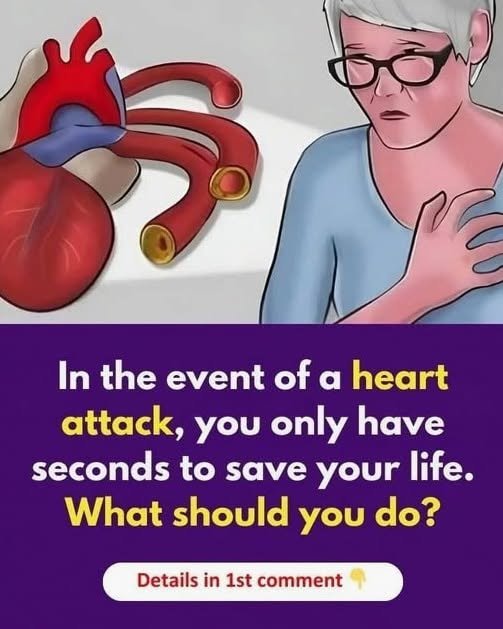
Every year, millions of people around the world experience a sudden, life-altering medical emergency: a heart attack. The image provided captures the terrifying reality of this event, showing a distressed woman clutching her chest in pain, juxtaposed against an anatomical illustration of a heart with severely blocked coronary arteries. The accompanying text carries a profound, urgent truth: “In the event of a heart attack, you only have seconds to save your life. What should you do?”
While a heart attack is not always instantaneous, the concept behind the warning is medically sound. When a coronary artery becomes completely blocked, the heart muscle begins to starve of oxygen and nutrients. This is a condition called myocardial ischemia. The phrase “time is muscle” is a mantra used by cardiologists worldwide. The longer the blockage remains, the more heart muscle dies, leading to permanent damage, heart failure, or death.
Knowing exactly what to do in the first few minutes—the “golden hour”—can mean the difference between a full recovery, lifelong disability, or a tragic outcome. The human body will send out clear, unmistakable distress signals, but the brain must be prepared to act decisively rather than panic.
This comprehensive guide will walk you through the critical steps to take during a heart attack, how to recognize the subtle and obvious warning signs, the anatomy of the attack itself, what life-saving actions to take (and which dangerous mistakes to avoid), and the long-term strategies for prevention.
The Anatomy of a Heart Attack: What is Happening Inside?
To understand the urgency of the situation, it is helpful to look at the anatomical illustration in the image. On the left, we see a cross-section of an artery. The inner walls are coated with a thick, yellow substance called plaque. This plaque has ruptured, and a blood clot has formed, completely blocking the flow of oxygen-rich blood to the heart.
The Role of Coronary Arteries
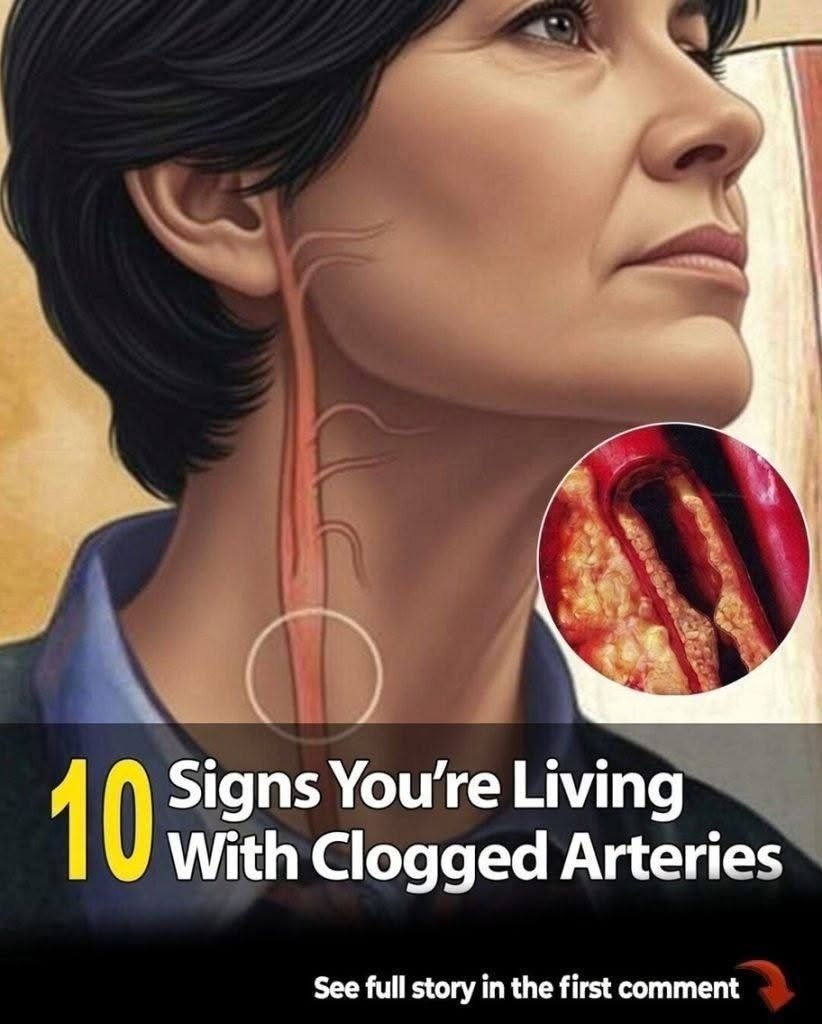
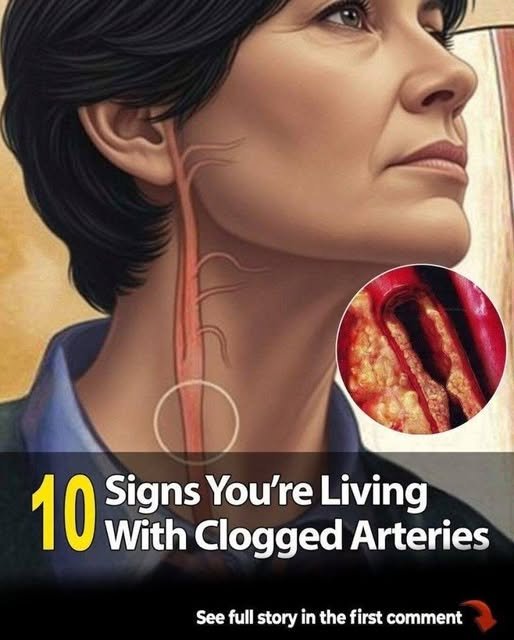
The heart is a muscle, and like any muscle, it requires a constant supply of oxygen to function. The coronary arteries are the blood vessels responsible for delivering this oxygen. When you have coronary artery disease (atherosclerosis), fatty deposits build up in these arteries over years or decades.
The Rupture and the Clot
A heart attack (myocardial infarction) typically occurs when a plaque deposit suddenly ruptures. The body’s natural healing response is to send platelets to the site to form a blood clot. However, if that clot becomes large enough, it acts like a cork, completely preventing blood from passing through the artery. The heart muscle downstream from the blockage is suddenly starved of oxygen and begins to die.
This sudden interruption is what causes the intense, crushing chest pain—a warning signal from a heart in distress. It is also why emergency medical treatment is focused on restoring that blood flow as quickly as humanly possible, usually through medications that dissolve clots or a surgical procedure to open the artery.
Recognizing the Signs: The Crucial First Step
You cannot take action if you do not recognize what is happening. Heart attack symptoms can vary significantly from person to person. They can be sudden and intense, but many people experience mild pain or discomfort that builds up gradually.
The Classic Symptoms
Chest Discomfort: The most common symptom is pressure, squeezing, fullness, or pain in the center or left side of the chest. It often lasts for more than a few minutes or goes away and comes back. It may feel like a heavy weight is sitting on your chest.
Radiating Pain: The discomfort is not always confined to the chest. It frequently spreads to the left arm, but it can also affect the right arm, the back, the neck, the jaw, or even the stomach.
Shortness of Breath: This can occur with or without chest discomfort. You may feel like you cannot catch your breath, especially if you are lying down.
Cold Sweat: Breaking out in an unexplained, cold, clammy sweat is a major red flag.
Nausea and Vomiting: Indigestion-like symptoms, stomach pain, or feeling sick to your stomach are common, especially in women.
Lightheadedness: Feeling dizzy, faint, or as if you might pass out.
Atypical Symptoms (Especially in Women)
The image depicts a woman experiencing severe chest pain, which is a vital visual. However, it is crucial to note that women often experience heart attacks differently than men. Women are more likely to experience symptoms that are not traditionally associated with a heart attack, such as:
Extreme, unexplained fatigue.
Sleep disturbances.
Jaw, neck, or upper back pain.
A feeling of “indigestion” or heartburn.
Sudden dizziness or lightheadedness.
Because these symptoms can be easily attributed to stress, the flu, or simply a long day, women often delay seeking medical help, which can have devastating consequences.
The Golden Steps: What to Do in the First Few Minutes
If you suspect that you or someone around you is having a heart attack, every second counts. Here is the step-by-step action plan.
Step 1: Call Emergency Services Immediately
The very first thing you must do is call for an ambulance (911 in the US, 112 in Europe, 999 in the UK). Do not attempt to drive yourself to the hospital, and do not let someone else drive you unless there is absolutely no other option.
Ambulance crews are equipped to begin life-saving treatment immediately. They can administer oxygen, run an electrocardiogram (ECG) to confirm a heart attack, and give you medications to stabilize your heart while en route. Furthermore, they can alert the hospital so that a specialized cardiac team is ready and waiting the moment you arrive.
Step 2: Chew an Aspirin
If you are experiencing symptoms of a heart attack and you are not allergic to aspirin, do not have a bleeding disorder, and have not been told by a doctor to avoid it, chew one adult-strength aspirin (325 mg) or four low-dose aspirins (81 mg each).
Why chew it? Chewing the aspirin allows it to be absorbed directly into the bloodstream through the mucous membranes in the mouth, bypassing the digestive system and acting much faster.
How does it help? Aspirin is an antiplatelet medication. It helps prevent the blood clot from growing larger, potentially keeping the artery partially open and limiting the damage to the heart muscle.
Step 3: Sit Down and Rest
Do not try to “walk it off” or continue doing whatever task you were engaged in. Sit down on a chair or lean back on a bed in a semi-sitting position.
Why sit down? Lying completely flat can make it harder to breathe. Sitting up reduces the workload on the heart and eases breathing. By resting, you are reducing the heart’s demand for oxygen, which is critical when the supply is already blocked.
Loosen tight clothing: Loosen your collar, tie, belt, or any tight clothing that might restrict your breathing.
Step 4: Unlock the Door
If you are alone, unlock your front door and leave it slightly open. If you lose consciousness before the paramedics arrive, they need to be able to get into the house without breaking the door down.
Step 5: Stay Calm
This is easier said than done, but panicking accelerates the heart rate and increases blood pressure, which forces the heart to work harder. Take slow, deep breaths and try to focus on the arrival of the emergency services.
What NOT to Do During a Heart Attack
Just as important as knowing what to do is knowing what to avoid. Certain actions can make the situation significantly worse.
Do Not Drive Yourself: According to studies, people who drive themselves to the hospital during a heart attack have a higher risk of complications. You could lose consciousness at the wheel, causing a fatal accident.
Do Not Ignore the Symptoms: If you experience chest pain that lasts more than five minutes, do not wait to see if it goes away. The “wait and see” approach is a deadly gamble.
Do Not Take Someone Else’s Medication: Unless a doctor has prescribed nitroglycerin to you for a previously diagnosed heart condition, do not take it. Taking someone else’s medication can cause your blood pressure to drop to dangerous levels.
Do Not Overexert Yourself: Do not try to climb stairs or walk long distances to get to the car. Sit down and wait for help.
If the Person Becomes Unresponsive: CPR and the AED
If the person experiencing the heart attack becomes unresponsive, stops breathing, or begins to gasp abnormally, they are likely going into cardiac arrest. This means their heart has stopped beating effectively.
Hands-Only CPR
If you are untrained or unsure how to perform CPR, do Hands-Only CPR.
Call 911 or ask someone else to call.
Lay the person flat on their back on a firm surface.
Place the heel of one hand on the center of the person’s chest, and the other hand on top.
Push down hard and fast—at least 2 inches deep and at a rate of 100 to 120 compressions per minute (the beat of the song “Stayin’ Alive” by the Bee Gees).
Continue compressions until emergency services arrive or an AED is available.
Using an AED
An Automated External Defibrillator (AED) is a portable device that can analyze the heart’s rhythm and deliver an electric shock if necessary to restore a normal heartbeat. They are often found in public places like airports, gyms, and office buildings.
Turn the AED on. It will provide voice prompts.
Attach the sticky pads to the person’s bare chest as shown in the diagram on the pads.
Follow the voice prompts. It will tell you to stand clear while it analyzes the heart, and it will tell you if a shock is needed.
The Hospital: What Happens Next?
When you arrive at the hospital, the medical team will work rapidly. They will run an ECG, draw blood to check for cardiac enzymes (troponin), and administer treatments such as:
Thrombolytics (Clot Busters): Medication given intravenously to dissolve the clot blocking the artery.
Angioplasty and Stenting: A minimally invasive procedure where a catheter is threaded through the blood vessels to the heart. A balloon is inflated to open the artery, and a small wire mesh tube (stent) is placed to keep it open.
Coronary Artery Bypass Graft (CABG): Open-heart surgery to redirect blood around a blocked artery using a healthy blood vessel from another part of the body.
Prevention: The Long-Term Strategy
Surviving a heart attack is only the first step. It is a massive warning sign that the cardiovascular system is in distress. Taking control of your health is vital to prevent a second event.
Know Your Numbers: Monitor your blood pressure, cholesterol, and blood sugar levels. These are the primary drivers of atherosclerosis.
Adopt a Heart-Healthy Diet: Focus on fresh fruits, vegetables, whole grains, lean proteins, and healthy fats. Limit sodium, refined sugars, and saturated fats.
Stay Active: Regular physical activity strengthens the heart muscle and improves circulation.
Quit Smoking: Smoking damages blood vessels and accelerates plaque buildup.
Manage Stress: Chronic stress elevates cortisol and adrenaline, which can trigger heart attacks and high blood pressure.
Frequently Asked Questions
Q: How long does a heart attack last? A heart attack can last anywhere from a few minutes to several hours if the blockage is not treated. The pain may come and go, which is why people sometimes mistake it for heartburn or a muscle strain.
Q: Is aspirin safe for everyone during a heart attack? No. Aspirin is a blood thinner. If you have a bleeding disorder, are allergic to aspirin, or have a history of gastrointestinal bleeding, you should not take it. It is always best to let the emergency dispatcher or paramedics advise you.
Q: Can a young, healthy person have a heart attack? Yes. While the risk increases with age, heart attacks can and do happen to people in their 20s, 30s, and 40s due to genetic conditions, smoking, drug use, or severe stress.
Q: Is the pain always severe and crushing? No. Some heart attacks present with only mild discomfort, a feeling of indigestion, or shortness of breath. This is particularly common in women, the elderly, and people with diabetes.
Q: How long do I have to get to the hospital? The “golden hour” is the ideal window. Most heart attack damage occurs within the first two hours. The faster you receive medical treatment, the more heart muscle can be saved.
Q: What if I’m alone and having a heart attack? Call emergency services immediately. Unlock your door, chew an aspirin (if appropriate), and sit down in a half-sitting position. Do not attempt to drive yourself.
Q: Does coughing forcefully help during a heart attack? No. The “cough CPR” myth is false for the general public and can waste valuable time. The only appropriate action is to call for help and use an AED if available.
Q: Can anxiety cause symptoms that mimic a heart attack? Yes. Panic attacks can cause chest pain, rapid heartbeat, and shortness of breath. However, it is impossible to differentiate between a panic attack and a heart attack without medical testing. Always treat it as a heart attack and call for help.
Q: Can I eat or drink something during a heart attack? It is best to avoid eating or drinking anything, except for chewing the aspirin. You might become nauseous or require emergency surgery, in which case an empty stomach is safer.
Q: What does “time is muscle” mean? It means that the longer the heart muscle is deprived of oxygen, the more of it dies. Every minute that passes without treatment increases the risk of permanent heart damage.
Conclusion
The image of the woman clutching her chest serves as a powerful and necessary reminder of the fragility of human life. A heart attack is a terrifying, acute event, but it is not one that leaves you powerless. By understanding the warning signs, committing to immediate action, and knowing how to administer aspirin and CPR, you can take control of the critical seconds that matter most.
In the event of a heart attack, the most important things are to call emergency services, chew an aspirin, and sit down and rest. Do not let fear or denial prevent you from taking action. Being informed is the ultimate tool for survival. Share this information with your loved ones; knowing what to do in the face of a cardiac emergency is a skill that could one day save a life.