Understanding Clogged Arteries: Recognizing the Signs and Protecting Your Vascular Health
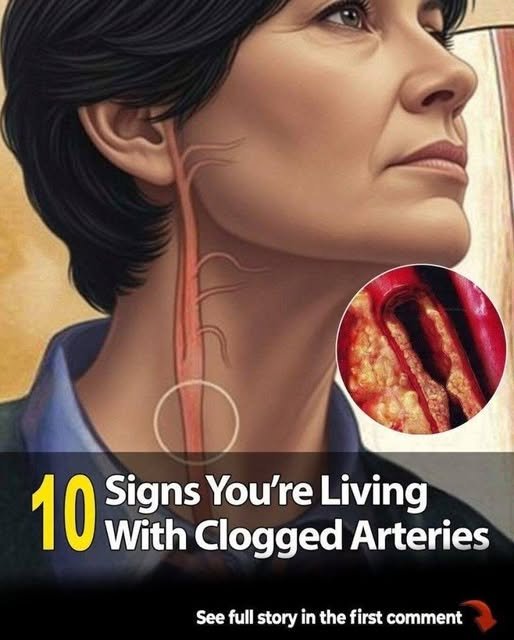
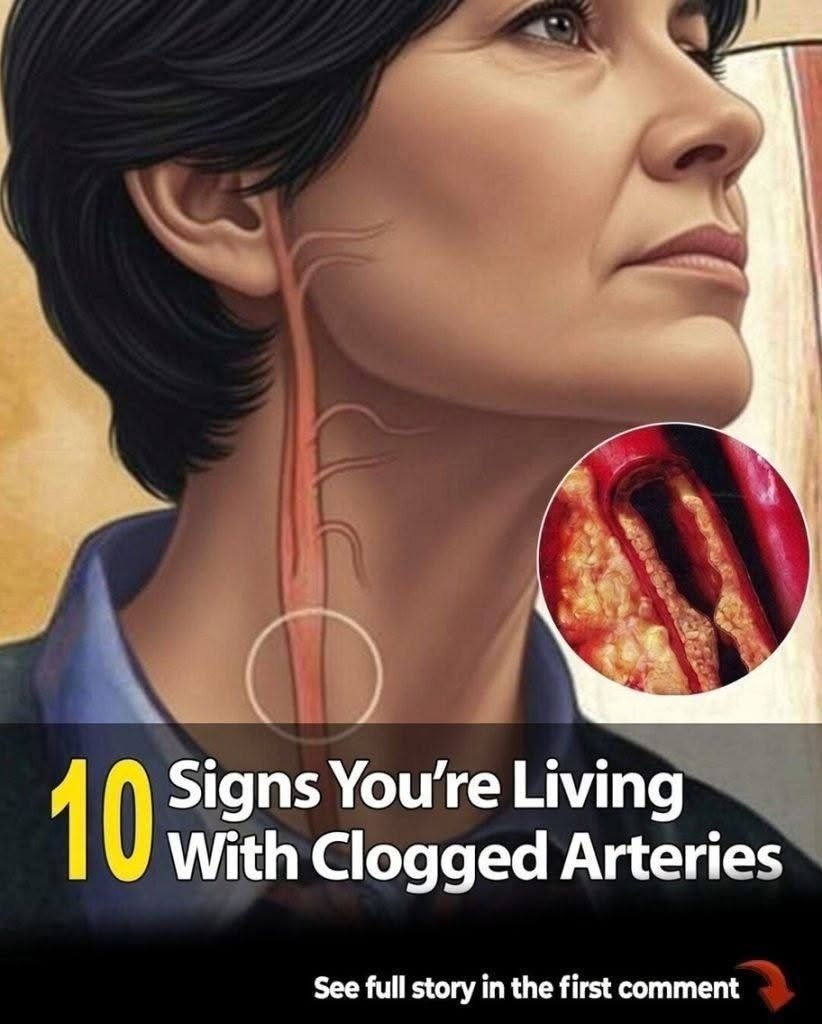
The image of a woman touching her neck, accompanied by a close-up of a narrowed artery, highlights a common concern: clogged arteries. The text “10 Signs You’re Living With Clogged Arteries” suggests that this condition announces itself through a list of symptoms. However, the medical reality is more nuanced. Clogged arteries, medically known as atherosclerosis, often develop silently over decades. For many people, the first sign is a serious event like a heart attack or stroke .
This does not mean the warning signs are nonexistent. The symptoms of atherosclerosis depend entirely on which arteries are affected and how severely blood flow is restricted . Rather than a fixed list of ten signs, it is more accurate to understand the specific symptoms associated with the different regions of the body where plaque can accumulate. Recognizing these signs can prompt timely medical evaluation and potentially prevent severe complications.
What Is Atherosclerosis?
Atherosclerosis occurs when fatty deposits, cholesterol, cellular waste, and calcium build up on the inner walls of the arteries, forming a substance called plaque . Over time, this plaque hardens and narrows the arteries, making it difficult for blood to flow through them . This process can affect arteries throughout the body, including those supplying the heart, brain, limbs, and kidneys.
Mild atherosclerosis usually does not cause any symptoms . Symptoms typically only appear once an artery has narrowed enough to significantly restrict blood flow to the organs and tissues it supplies . Understanding the warning signs requires looking at where the blockage is located.
Symptoms Based on Location
The effects of clogged arteries are not uniform. They vary depending on the affected area.
In the Heart Arteries (Coronary Arteries) When plaque narrows the arteries supplying the heart, the most common symptom is chest pain or pressure, known as angina . This discomfort may feel like a tight band or a heavy weight on the chest and often occurs during physical activity or stress, subsiding with rest . Shortness of breath and fatigue are also common . If a plaque ruptures and a blood clot completely blocks the artery, it causes a heart attack, which is a medical emergency .
In the Arteries Leading to the Brain Clogged arteries in the neck (carotid arteries) can restrict blood flow to the brain. This can cause a transient ischemic attack (TIA), sometimes called a “mini-stroke.” Symptoms include sudden numbness or weakness in the arms or legs, trouble speaking or slurred speech, sudden loss of vision in one eye, or drooping muscles in the face . These symptoms are warning signs of a potential full stroke and require immediate medical attention .
In the Arteries of the Arms and Legs (Peripheral Artery Disease) When atherosclerosis affects the limbs, it leads to peripheral artery disease (PAD). The hallmark symptom is claudication: leg pain or cramping that occurs during walking and resolves with rest . As the disease progresses, the distance you can walk without pain may shorten. In severe cases, pain can occur at rest, particularly at night when the legs are elevated . Other signs can include lower blood pressure in the affected limb, loss of hair, shiny skin, and slower healing of wounds on the feet or legs .
In the Arteries Leading to the Kidneys Atherosclerosis in the renal arteries can lead to reduced kidney function. This may manifest as high blood pressure that is difficult to control or, in severe cases, kidney failure .
Risk Factors and Prevention
Atherosclerosis is a gradual process, and several factors increase the likelihood of its development. These include being over 50 years of age, smoking, having high cholesterol, high blood pressure, diabetes, or kidney disease, living with overweight or obesity, and having a family history of cardiovascular disease . Certain ethnic backgrounds, including Black African, African Caribbean, or South Asian origin, are also associated with higher risk .
While there is no treatment to reverse atherosclerosis once it has developed, lifestyle changes and medical management can significantly slow its progression and reduce the risk of complications like heart attack and stroke .
Diet: Eating a healthy diet low in saturated fat and sugar is recommended . Focusing on fiber-rich foods and unsaturated fats can help manage cholesterol levels .
Physical Activity: Regular exercise helps maintain a healthy weight and lowers cholesterol and blood pressure .
Quit Smoking: Smoking damages blood vessels and accelerates the hardening of arteries; quitting is one of the most effective protective measures .
Medication: Doctors may prescribe medications such as statins to lower cholesterol, along with drugs to manage blood pressure and reduce the risk of blood clots .
Frequently Asked Questions
Q: Can I feel if my arteries are clogged? Generally, no. Mild to moderate atherosclerosis typically causes no symptoms. You may not know you have unhealthy cholesterol levels or plaque buildup until a significant blockage occurs or a medical emergency happens . This is why regular check-ups and cholesterol screenings are important.
Q: Are there exactly ten signs of clogged arteries? The “ten signs” format is a common internet framing, but the specific symptoms of atherosclerosis depend on which arteries are affected. The key is to recognize the patterns of symptoms related to the heart, brain, and limbs, rather than looking for a specific count .
Q: When should I see a doctor? You should seek medical advice if you experience chest pain that comes and goes, shortness of breath, or pain in your arms and legs when walking or exercising . Sudden symptoms like facial drooping, arm weakness, or difficulty speaking require emergency medical attention .
Conclusion
Clogged arteries are a serious health concern, but they are not always accompanied by obvious warnings. Understanding the specific symptoms associated with the heart, brain, and limbs is more useful than a generic list. The most important takeaway is that atherosclerosis often develops silently, making it essential to address risk factors through a healthy lifestyle and regular medical check-ups. If you experience chest pain, unexplained breathlessness, or pain in your limbs during activity, consulting a healthcare professional is the most reliable path forward.