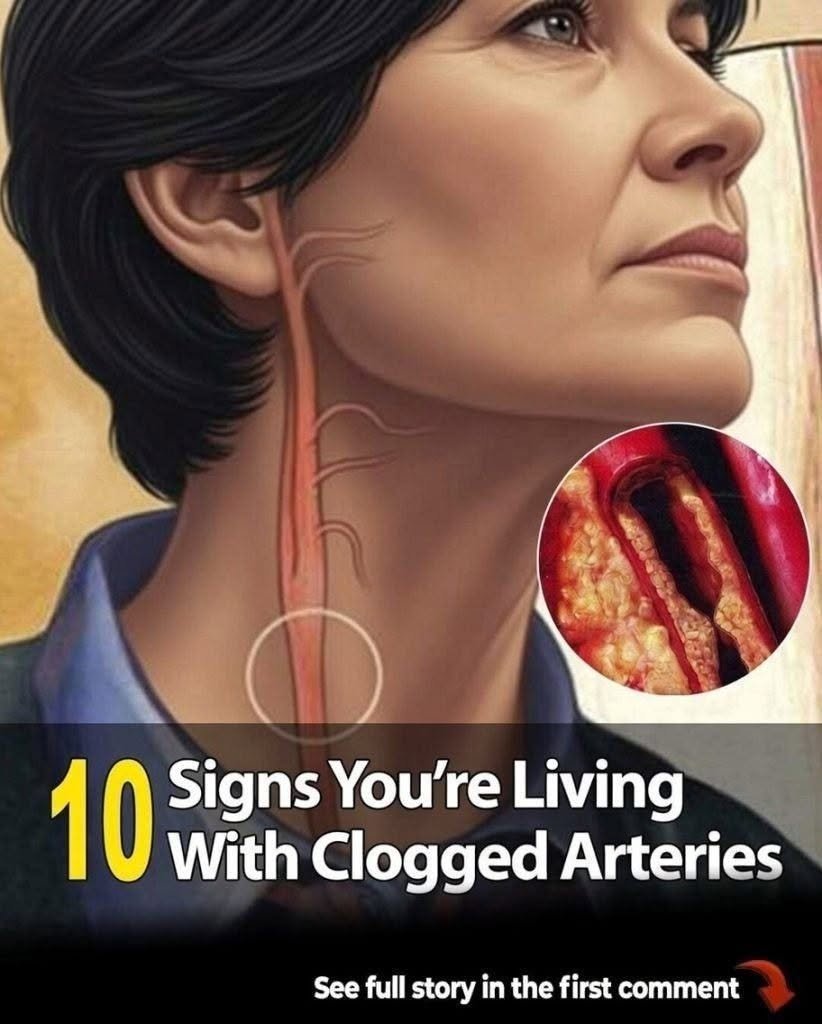
10 Signs You’re Living With Clogged Arteries (And What to Do About It)
Your arteries are the vital highways of your body, delivering oxygen-rich blood to every organ and tissue. But over time, these pathways can become narrowed or blocked by a buildup of plaque—a condition known as atherosclerosis. Often called “clogged arteries,” this silent condition is a leading cause of heart attacks, strokes, and peripheral artery disease.
The scary part? Atherosclerosis often develops without any obvious symptoms until the blockage becomes severe. However, your body does send warning signals if you know what to look for. Recognizing these signs early can be life-saving.
Here are 10 common signs that your arteries may be clogged, along with actionable steps to protect your heart health.
1. Chest Pain or Angina
Chest pain is the most well-known symptom of clogged coronary arteries. It often feels like pressure, squeezing, or fullness in the center or left side of the chest. This happens when the heart muscle isn’t getting enough oxygen due to reduced blood flow. The pain may radiate to your shoulders, arms, neck, jaw, or back and is often triggered by physical exertion or stress.
2. Shortness of Breath
If your heart can’t pump efficiently because of blocked arteries, fluid can back up into the lungs, or your body simply won’t get the oxygen it needs. You might find yourself winded after climbing a single flight of stairs or even while resting. This is often mistaken for being “out of shape,” but if it’s a new or worsening symptom, it warrants medical attention.
3. Fatigue and Weakness
When your organs aren’t receiving adequate blood flow, your overall energy levels plummet. Extreme, unexplained fatigue—especially in women—is a frequent but overlooked sign of heart disease. If you feel exhausted despite getting enough sleep, it could be your cardiovascular system struggling to keep up.
4. Cold Hands and Feet
Peripheral Artery Disease (PAD) occurs when arteries in the limbs become clogged. A classic sign is consistently cold hands or feet, even in warm weather. This happens because restricted blood flow prevents warmth from reaching the extremities. You might also notice pale or bluish skin on your legs or feet.
5. Leg Pain When Walking (Claudication)
Pain, cramping, or heaviness in the calves, thighs, or buttocks during physical activity is a hallmark of PAD. The pain typically goes away with rest but returns when you start moving again. This is caused by muscles not getting enough oxygen during exertion due to narrowed leg arteries.
6. Erectile Dysfunction
For men, erectile dysfunction (ED) can be an early warning sign of clogged arteries. The arteries supplying the penis are smaller than coronary arteries, so they often show damage first. Studies suggest that ED can precede a heart attack by several years, making it a crucial indicator of systemic vascular health.
7. Dizziness or Lightheadedness
Reduced blood flow to the brain can cause dizziness, lightheadedness, or even fainting. This can happen if the carotid arteries (which supply the brain) are narrowed. While dizziness has many causes, persistent episodes combined with other risk factors should be evaluated by a doctor.
8. Numbness or Tingling
Blocked arteries can lead to nerve damage due to poor circulation. You might experience numbness, tingling, or a “pins and needles” sensation in your arms, legs, hands, or feet. In severe cases, this can progress to weakness or loss of sensation.
9. Slow-Healing Sores
Poor circulation impairs the body’s ability to heal. If you have cuts, sores, or ulcers on your feet or legs that take weeks or months to heal—or don’t heal at all—it could indicate significant arterial blockage. This is particularly common in people with diabetes and PAD.
10. High Blood Pressure
While high blood pressure is a cause of clogged arteries, it’s also a sign. Stiff, narrowed arteries force the heart to work harder, raising blood pressure. If your readings are consistently above 130/80 mmHg, it’s a red flag that your vascular system is under stress.
Risk Factors: Who Is Most at Risk?
Understanding the signs is important, but knowing your risk factors is equally critical. You are more likely to develop clogged arteries if you:
Smoke or use tobacco products
Have high cholesterol or triglycerides
Suffer from high blood pressure
Have diabetes or insulin resistance
Are overweight or obese
Lead a sedentary lifestyle
Have a family history of heart disease
Are over age 45 (men) or 55 (women)
What Can You Do? Prevention and Treatment
The good news is that atherosclerosis is largely preventable and manageable. Here are evidence-based steps to clear your arteries and protect your heart:
Lifestyle Changes
Adopt a Heart-Healthy Diet: Focus on fruits, vegetables, whole grains, lean proteins, and healthy fats (like olive oil and nuts). Limit saturated fats, trans fats, sodium, and added sugars. The Mediterranean diet is widely recommended by cardiologists.
Exercise Regularly: Aim for at least 150 minutes of moderate aerobic activity (like brisk walking) or 75 minutes of vigorous activity per week. Exercise helps lower blood pressure, improve cholesterol, and maintain a healthy weight.
Quit Smoking: Smoking damages the lining of your arteries and accelerates plaque buildup. Quitting is the single most impactful thing you can do for your vascular health.
Manage Stress: Chronic stress raises cortisol and adrenaline, which can damage arteries over time. Practice mindfulness, meditation, yoga, or deep breathing exercises.
Medical Interventions
Medications: Statins to lower cholesterol, antihypertensives for blood pressure, and antiplatelet drugs like aspirin may be prescribed.
Procedures: In severe cases, doctors may recommend angioplasty (using a balloon to open the artery), stenting (placing a mesh tube to keep it open), or bypass surgery.
When to See a Doctor
If you experience any of the symptoms listed above—especially chest pain, shortness of breath, or sudden weakness—seek medical attention immediately. Early diagnosis through tests like lipid panels, ECGs, stress tests, or carotid ultrasounds can prevent catastrophic events.
Conclusion
Clogged arteries don’t happen overnight, and neither do the symptoms. By paying attention to your body’s subtle warnings and taking proactive steps today, you can significantly reduce your risk of heart disease and stroke. Your arteries are your lifeline—treat them with care.
Disclaimer: This content is for informational purposes only and is not a substitute for professional medical advice, diagnosis, or treatment. Always seek the advice of your physician or other qualified health provider with any questions you may have regarding a medical condition.