12 Warning Signs That Your Blood Sugar Is Too High: Decoding the Body’s Silent Signals
Blood sugar, or glucose, is the primary source of energy for the cells that make up your muscles and tissues. It is essential for life. However, when blood sugar levels remain persistently elevated—a condition known as hyperglycemia—it becomes a silent and dangerous threat to nearly every system in the body. Often, high blood sugar develops gradually, creeping up over months or years, particularly in the case of Type 2 diabetes. Because the symptoms can be subtle, many people remain unaware that their bodies are in distress until significant damage has already occurred to their nerves, kidneys, eyes, and cardiovascular system.
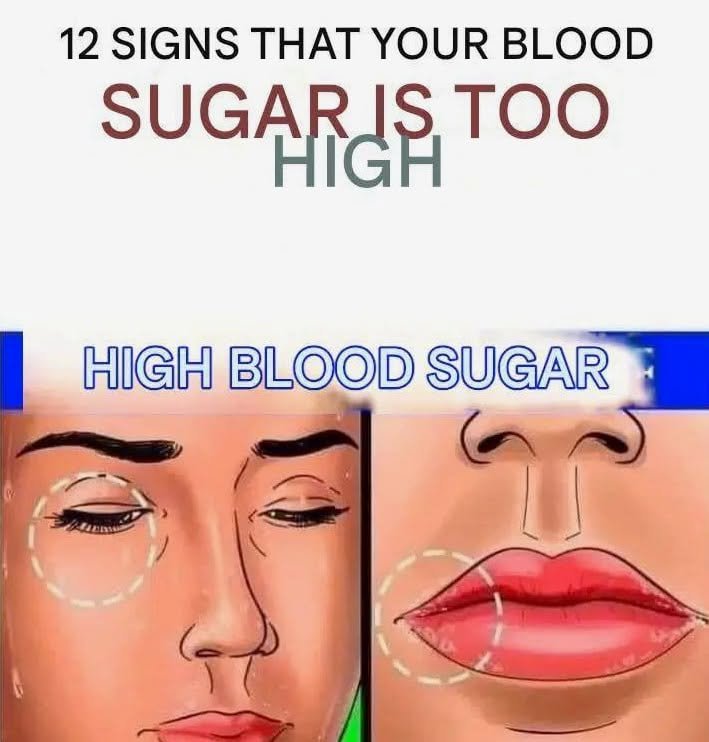
The image provided highlights a fascinating and often-overlooked aspect of this metabolic condition: the face. It specifically points to the under-eye area and the lips, asking viewers to recognize these as potential warning signs. While the face is not the first place most doctors look for diabetes, the skin, eyes, and mucosal tissues are profoundly affected by fluctuations in glucose levels. From dehydration causing cracked lips to fluid imbalances causing puffy under-eyes, the body often sends distress signals that are hiding in plain sight.
Understanding the comprehensive array of symptoms—from the subtle changes in your complexion to the systemic fatigue and nerve pain—is the first step toward early detection and management. This comprehensive guide will explore the science of high blood sugar, decode the 12 most critical warning signs, and provide actionable strategies for protecting your health.
The Science of High Blood Sugar: What is Hyperglycemia?
To understand the signs, one must first understand the mechanics of hyperglycemia. When you eat, your digestive system breaks down carbohydrates into glucose, which enters the bloodstream. The pancreas releases insulin, a hormone that acts as a key, unlocking cells so glucose can enter and be used for energy.
When the body cannot produce enough insulin (Type 1 diabetes) or when the cells become resistant to insulin’s signals (Type 2 diabetes), glucose cannot enter the cells efficiently. Instead, it accumulates in the bloodstream. The body attempts to compensate for this by pulling water out of the tissues to dilute the blood sugar, while the kidneys work overtime to filter the excess glucose out of the blood and excrete it in the urine. This cascade of events leads to the varied symptoms detailed below.
The Facial Clues: Decoding the Image
The viral image points to specific facial features that may indicate elevated blood sugar. While these signs can have other causes, when combined with other symptoms, they are worth investigating.
Sign 1: Dry, Cracked Lips and Mouth
The image highlights the lips, and for good reason. One of the earliest and most common signs of high blood sugar is profound dehydration.
Why it happens: As mentioned, when blood glucose levels are high, the kidneys are forced to pull excess water from the body’s tissues to flush out the sugar via urine (a process called osmotic diuresis). This leads to systemic dehydration. The lips, being a thin mucosal tissue with no oil glands, are one of the first places to show moisture loss. They become chapped, cracked, and sometimes peel. This is frequently accompanied by a dry mouth (xerostomia) and a persistent feeling of thirst.
Sign 2: Under-Eye Puffiness and Dark Circles
The second highlighted area in the image is the under-eye region.
Why it happens: The connection between under-eye bags and blood sugar is twofold. First, chronic hyperglycemia can lead to microvascular damage in the tiny blood vessels around the eyes, leading to poor circulation and the thin skin under the eyes appearing darker. Second, fluid retention is a known complication of prolonged high blood sugar, particularly when it begins to affect kidney function. The body may struggle to regulate sodium and fluid balance, leading to puffiness in the thin, delicate skin under the eyes.
The Other 10 Critical Warning Signs
While the facial clues are important, they are part of a much larger systemic picture. Here are the other ten hallmark signs of high blood sugar.
Sign 3: Frequent Urination (Polyuria)
This is one of the most classic and definitive signs of hyperglycemia.
Why it happens: The kidneys have a maximum threshold for how much glucose they can filter and reabsorb. When blood sugar exceeds this threshold (usually around 180 mg/dL), the excess glucose spills into the urine. Glucose acts as a sponge, pulling water along with it. This dramatically increases the volume of urine produced, leading to a frequent and urgent need to urinate, especially during the night (nocturia).
Sign 4: Excessive Thirst (Polydipsia)
Excessive thirst is the direct consequence of frequent urination.
Why it happens: As the body loses massive amounts of fluid through the kidneys, the brain’s hypothalamus sends out powerful signals of thirst to encourage you to replace the lost water. If you find yourself drinking glass after glass of water and still feeling parched, especially if accompanied by frequent urination, it is a major red flag for elevated blood sugar.
Sign 5: Increased Hunger (Polyphagia)
Paradoxically, even though there is plenty of glucose in the blood, the cells are starving.
Why it happens: Because insulin is not functioning correctly, the glucose cannot enter the cells to provide energy. The cells send out distress signals to the brain, demanding more fuel. This leads to intense, persistent hunger, often shortly after eating a meal.
Sign 6: Unexplained Fatigue and Weakness
Feeling tired is a common complaint in modern life, but the profound, bone-deep fatigue associated with hyperglycemia is distinct.
Why it happens: It is a direct result of cellular starvation. Because the cells are deprived of their primary energy source (glucose), the body must switch to burning fat for energy, which is a less efficient process. This, combined with the physical stress of frequent urination and the body working overtime to balance blood chemistry, leaves you feeling utterly exhausted.
Sign 7: Blurred Vision
High blood sugar can wreak havoc on your eyes.
Why it happens: Excess glucose alters the fluid balance in the lenses of your eyes. When fluid leaks into the lenses, they swell, changing their shape. This prevents the eyes from focusing properly, leading to temporary blurred vision. While this vision change is usually temporary and resolves as blood sugar normalizes, prolonged high blood sugar can lead to permanent damage, including diabetic retinopathy and cataracts.
Sign 8: Slow-Healing Sores and Cuts
If you notice that minor cuts, bruises, or infections take an unusually long time to heal, it could be a sign of high blood sugar.
Why it happens: High glucose levels cause blood vessels to narrow and stiffen, impairing circulation. Without adequate blood flow, the tissues do not receive the oxygen and nutrients necessary for healing. Furthermore, the high sugar environment impairs the function of white blood cells, making the immune system slower to fight off infections.
Sign 9: Numbness and Tingling in Extremities
This is a sign that hyperglycemia has been present long enough to cause nerve damage (diabetic neuropathy).
Why it happens: Prolonged high blood sugar damages the delicate capillaries that supply blood to the nerves. This damage often begins in the extremities—the feet and hands—leading to a sensation of “pins and needles,” numbness, burning, or tingling. If left unmanaged, this can progress to a complete loss of sensation, making injuries go unnoticed.
Sign 10: Recurrent Infections
High blood sugar creates a perfect breeding ground for bacteria and fungi.
Why it happens: Pathogens thrive in sugar-rich environments. Individuals with hyperglycemia are particularly prone to recurrent yeast infections (candidiasis), urinary tract infections (UTIs), and skin infections. Women may experience frequent vaginal yeast infections, while men and women alike may suffer from persistent skin rashes or fungal infections in warm, moist areas.
Sign 11: Unexplained Weight Loss
This is a more common sign in Type 1 diabetes but can occur in advanced Type 2.
Why it happens: Because the body cannot use glucose for energy, it begins to break down muscle and fat for fuel. This rapid breakdown of stored energy can lead to rapid and unexplained weight loss, even if you are eating normally or even more than usual.
This is a powerful visual clue that often appears on the skin.
Why it happens: This condition presents as dark, thick, velvety patches of skin, typically in the folds of the body—the neck, armpits, groin, and sometimes the knuckles. It is a direct sign of severe insulin resistance. The high levels of circulating insulin stimulate the overproduction of melanin and skin cells, leading to these distinct, discolored patches.
When to See a Doctor: The Importance of Early Detection
Hyperglycemia is a silent condition. You cannot rely on feeling unwell to know if your blood sugar is high. If you experience one or more of these symptoms, especially the combination of excessive thirst, frequent urination, and fatigue, you should schedule a medical appointment.
Routine Testing
The medical community recommends routine blood sugar screening for adults beginning at age 35, or earlier for those with specific risk factors.
Common diagnostic tests include:
The A1C Test: This simple blood test measures your average blood sugar over the past two to three months. An A1C of 5.7% to 6.4% indicates prediabetes, while 6.5% or higher indicates diabetes.
Fasting Plasma Glucose (FPG): Measures blood sugar after an overnight fast.
Random Blood Sugar Test: A blood sample taken at a random time to check for severe hyperglycemia.
Strategies to Manage and Lower Blood Sugar
If you have been diagnosed with prediabetes or high blood sugar, the good news is that it is highly manageable, and in many cases, reversible.
1. Focus on a Balanced Diet
Nutrition is the cornerstone of blood sugar management. Focus on complex carbohydrates (whole grains, vegetables, legumes), lean proteins, and healthy fats. Avoid refined sugars, sugary beverages, and highly processed foods that cause rapid spikes in blood glucose. Eating fiber-rich foods helps slow the absorption of sugar into the bloodstream.
2. Stay Physically Active
Muscle contractions during exercise increase insulin sensitivity, allowing cells to use glucose more efficiently. Aim for at least 150 minutes of moderate-intensity aerobic activity per week, combined with resistance training twice a week.
3. Manage Stress and Sleep
Hormones like cortisol (the stress hormone) can spike blood sugar levels. Chronic stress and poor sleep habits are significant contributors to insulin resistance. Prioritize 7-9 hours of quality sleep and practice stress-reduction techniques like meditation or deep breathing.
4. Stay Hydrated
Drinking plenty of water is critical. As we saw with the dry lips, dehydration concentrates your blood sugar. Water helps your kidneys flush out excess glucose and keeps your bodily systems functioning optimally.
Frequently Asked Questions
Q: Can I have high blood sugar and experience no symptoms at all? Yes. This is very common, especially in the early stages of Type 2 diabetes. This is precisely why regular screening with an A1C test is so important, even if you feel perfectly fine.
Q: Do dry lips and under-eye bags always mean I have high blood sugar? No. The signs highlighted in the image are general indicators of dehydration or fatigue. However, if they are chronic and accompanied by other symptoms like increased thirst, frequent urination, and fatigue, they warrant a blood sugar check.
Q: What is a normal blood sugar range? For most adults, a normal fasting blood sugar level is between 70 and 99 mg/dL. Two hours after a meal, it should typically be less than 140 mg/dL. An A1C level below 5.7% is considered normal.
Q: Can high blood sugar cause weight gain? Paradoxically, while severe hyperglycemia can cause rapid weight loss (as the body burns fat and muscle for energy), the chronic insulin resistance that leads to high blood sugar is heavily associated with weight gain, particularly around the abdominal area.
Q: How long does it take to lower blood sugar naturally? This depends on the severity of the hyperglycemia and the lifestyle changes made. By adopting a strict diet, regular exercise, and proper hydration, many people see significant improvements in their blood sugar levels within a few weeks to a few months.
Q: Is blurred vision from high blood sugar permanent? In the early stages, blurred vision is caused by temporary fluid shifts in the eye’s lens. It usually resolves once blood sugar is controlled. However, prolonged untreated high blood sugar can cause permanent damage to the retina (retinopathy) and lead to irreversible vision loss.
Q: When should I seek emergency medical help for high blood sugar? You should seek emergency care if you experience severe symptoms such as difficulty breathing, confusion, extreme drowsiness, fruity-smelling breath, or a very rapid heart rate. These are signs of life-threatening conditions like Diabetic Ketoacidosis (DKA) or Hyperosmolar Hyperglycemic State (HHS).
Q: Does drinking water help lower blood sugar? Staying hydrated helps your kidneys flush out excess sugar through urine. While water does not actively lower blood sugar, it prevents dehydration and helps dilute the concentration of glucose in your bloodstream.
Q: Can stress cause high blood sugar? Yes. Psychological or physical stress triggers the release of hormones like cortisol and adrenaline. These hormones cause the liver to release stored glucose into the bloodstream, which can lead to a spike in blood sugar.
Q: Are artificial sweeteners safe for high blood sugar? Most artificial sweeteners do not raise blood sugar levels. However, some studies suggest they may impact gut bacteria or insulin sensitivity. It is best to use them in moderation and consult with a healthcare provider.
Conclusion
The human body is incredibly adept at hiding distress, but it always leaves a trail of breadcrumbs. The viral image pointing to dry lips and puffy under-eyes is a reminder that the signs of high blood sugar are often hidden in plain sight. From the frequent thirst and urination that stem from the kidneys working overtime, to the profound fatigue caused by cellular starvation, and the darkened skin patches signaling insulin resistance, these 12 symptoms are the body’s way of asking for help.
By paying attention to these signals and prioritizing regular medical testing, you can catch hyperglycemia early. With early detection, a commitment to a healthy diet, regular exercise, and appropriate medical care, you can successfully manage your blood sugar, protect your vital organs, and maintain a high quality of life for years to come.