What Do You Call the Black Line in Shrimp? Understanding the Digestive Tract
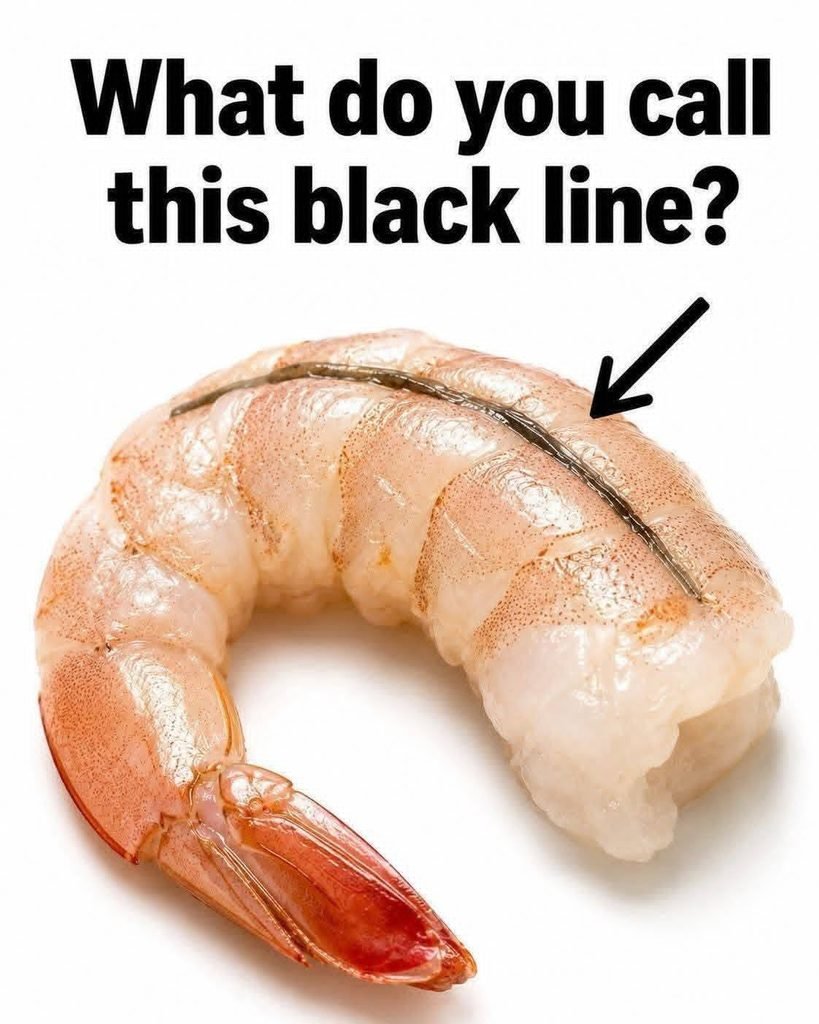
The image above shows a close-up of a raw shrimp with a dark line running along its back, accompanied by the question: “What do you call this black line?”
This dark line is one of the most common questions home cooks have when preparing shrimp. While it is often referred to as a “vein,” it is not actually a blood vessel. Understanding what it is and whether it needs to be removed can help you prepare shrimp with confidence.
What Is the “Black Line”?
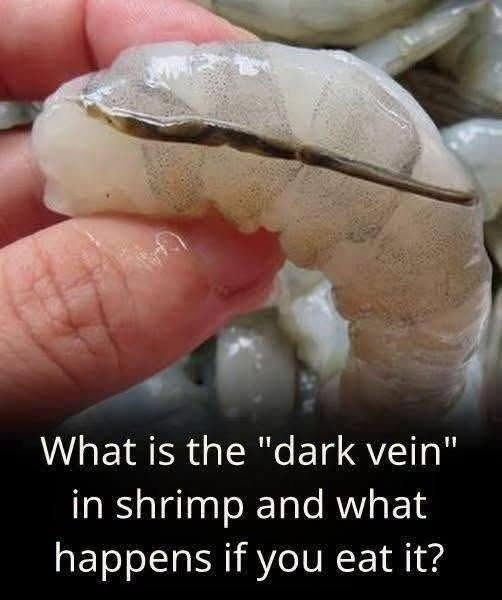
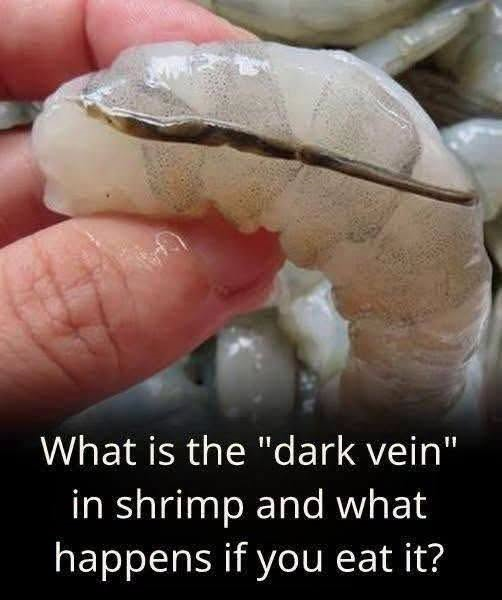
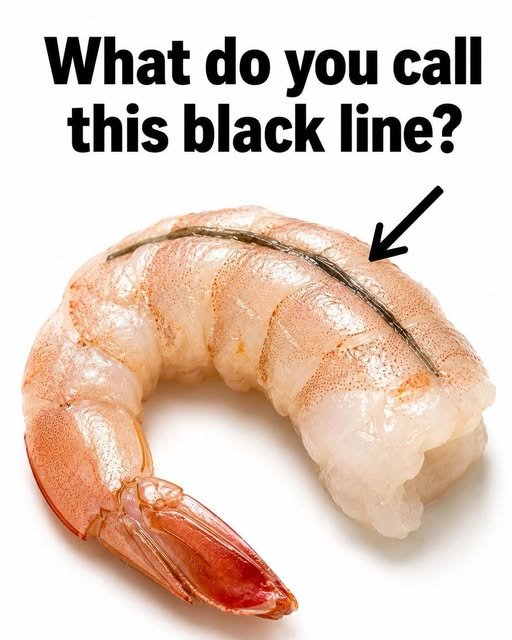
The dark line running along the back of a shrimp is its digestive tract, also known as the dorsal tract. It runs from the head to the tail and contains the shrimp’s stomach and intestines.
The dark color comes from the partially digested food inside the tract, which often includes algae and other organic matter. In some shrimp, the tract may appear black, while in others it can be brown, green, or even clear. Despite the common nickname “vein,” it has nothing to do with the shrimp’s circulatory system.
Is It Safe to Eat?
Yes, it is generally safe to eat. The digestive tract is not toxic, and cooking the shrimp kills any potential bacteria or parasites that might be present.
However, there are a few reasons why many cooks choose to remove it:
Texture: The tract can have a slightly gritty or sandy texture, which some people find unpleasant.
Appearance: The dark line can be visually unappealing, especially in dishes where the shrimp are served whole or prominently displayed.
Flavor: In some cases, the contents of the tract can impart a slightly bitter or muddy taste, particularly in larger shrimp.
For these reasons, removing the vein is a common practice in professional kitchens and is often recommended for the best culinary experience.
How to Remove the Digestive Tract
Removing the tract is a simple process:
Peel the Shrimp: Remove the shell and legs, leaving the tail on if desired.
Make a Shallow Cut: Using a small paring knife, make a shallow cut along the back of the shrimp, following the dark line.
Remove the Tract: Use the tip of the knife or a toothpick to lift out the dark line. Rinse the shrimp under cold water to remove any remaining particles.
Some shrimp may have a second, thinner vein along the belly side, which is part of the nervous system. This is usually not necessary to remove.
Conclusion
The “black line” in shrimp is the digestive tract, and it is safe to eat. However, removing it is a good idea for those who prefer a cleaner texture and appearance. With a few simple steps, you can prepare shrimp that look and taste their best.