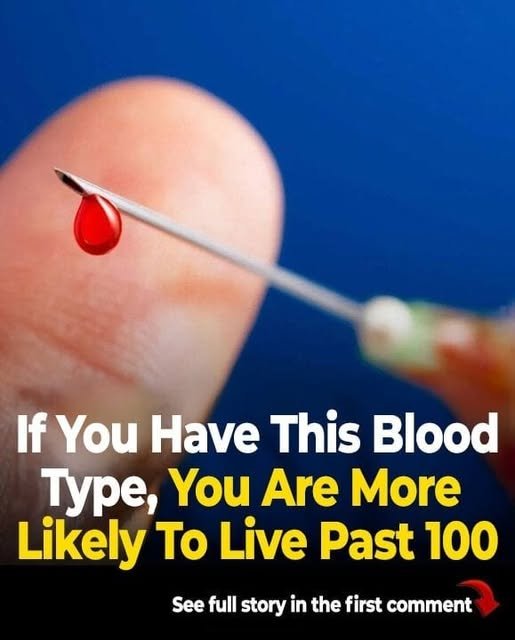
The Blood Type Linked to Extreme Longevity: What the Science Says About Living Past 100
The quest to understand the secrets of extreme longevity has fascinated humanity for centuries. From the remote “Blue Zones” of the world to advanced genetic laboratories, scientists are constantly searching for the biological markers that allow certain individuals to live well beyond the age of 100. While diet, lifestyle, and environment play massive roles, researchers have also been investigating a fascinating, inherited trait that could hold a clue to a long life: your blood type.
For decades, the ABO blood group system was primarily viewed through the lens of emergency medicine and transfusions. However, modern epidemiology has revealed that your blood type is far more than just a compatibility marker. The antigens on the surface of your red blood cells interact with your immune system, influence inflammation, and play a role in cardiovascular health.
Recent studies and large-scale population analyses have indicated that individuals with a specific blood type possess a statistically higher likelihood of reaching the century mark. While no single factor guarantees a lifespan of 100 years, the research surrounding blood types and longevity offers a compelling glimpse into the intricate biology of human aging.
The Fascinating Science of the ABO Blood Group System
To understand why blood type might influence how long you live, it is essential to first understand what blood type actually is.
Antigens and Antibodies
Your blood type is determined by the presence or absence of specific proteins and sugars—called antigens—on the surface of your red blood cells. The two main antigens are A and B. If you have type A blood, you have A antigens; type B blood means you have B antigens. If you have both, you are type AB. If you have neither, you are type O. Additionally, your blood is either positive or negative based on the presence of the Rh factor.
Beyond red blood cells, these same antigens are found on the cells lining your blood vessels, in your digestive tract, and throughout your bodily tissues. Because of this widespread distribution, your blood type can influence how your body responds to infections, inflammation, and even how it processes cholesterol.
The Landmark Japanese Centenarian Study: The Type B Advantage
The most direct and compelling evidence linking a specific blood type to extreme longevity comes from a study conducted in Japan. Researchers at the Tokyo Metropolitan Institute of Gerontology and other institutions analyzed the blood types of 269 centenarians (individuals aged 100 or older) living in the Tokyo area. They compared this data against a control group of over 7,000 regionally matched individuals of the general population.
The Findings: Type B Overrepresentation
The results were both surprising and statistically significant. The researchers found that Blood Type B was observed significantly more frequently in the centenarian group than in the control group.
Specifically, the blood type frequencies among the centenarians were:
Type A: 34.2%
Type O: 28.3%
Type B: 29.4%
Type AB: 8.2%
While Type A was still the most common blood type overall (reflecting the general Japanese population), Type B was notably overrepresented. When compared to the expected rates in the general population, the presence of Type B among centenarians was disproportionately high. The study’s authors concluded that “blood type B might be associated with exceptional longevity.”
Why Might Type B Be Protective?
While the study did not definitively prove why Type B individuals live longer, researchers have proposed several biological theories. Type B individuals may possess specific genetic variations that protect against certain age-related diseases. Some studies suggest that individuals with Type B blood have a lower risk of developing certain types of cardiovascular disease and may have a more robust immune response to certain viral infections compared to other blood types.
The Cardiovascular Advantage: How Type O Supports Longevity
While the Japanese study highlighted Type B, extensive global research has consistently pointed to the unique cardiovascular advantages of Blood Type O. Since cardiovascular disease is the leading cause of death worldwide, having a lower risk of heart-related events is a massive factor in reaching an advanced age.
The Clotting Factor Connection
The primary reason Type O individuals have a longevity advantage lies in their blood chemistry. People with Type O blood naturally have lower levels of von Willebrand factor (vWF) and Factor VIII, two proteins essential for blood clotting.
Because Type O individuals have less of these clotting factors, their blood is slightly “thinner” and less prone to forming dangerous clots. This significantly reduces their risk of deep vein thrombosis, pulmonary embolism, heart attacks, and ischemic strokes. A massive meta-analysis involving over 1.5 million people found that non-O blood types (A, B, and AB) have a higher risk of coronary heart disease and cardiovascular events compared to Type O.
Lower Cholesterol and Inflammation
Research has also shown that individuals with Type O blood tend to have lower levels of LDL (bad) cholesterol and lower markers of systemic inflammation. Chronic inflammation is a key driver of aging and many chronic diseases. By having a naturally lower baseline of inflammation, Type O individuals may experience a slower rate of cellular aging.
The “Non-O” Health Profile: How Other Blood Types Adapt
While Type O has a cardiovascular advantage and Type B has been linked to extreme longevity in Japanese cohorts, it is essential to understand that every blood type has its own unique health profile.
Type A: The Stress and Cancer Connection
Type A individuals often have higher levels of cortisol (the stress hormone) and may be more susceptible to certain types of cancer, particularly stomach cancer. However, Type A individuals also tend to have a longer life expectancy in some populations, potentially due to a lower risk of certain bleeding disorders.
Type AB: The Rarest Group
Type AB is the rarest blood type, making up only about 4% of the global population. Research on Type AB longevity is limited due to small sample sizes, but some studies suggest they have a higher risk of cognitive decline and stroke compared to other types. However, they share the cardiovascular risks of Type A and B (higher clotting factors).
The Biological Mechanisms of Blood Type and Aging
Why does a sugar molecule on a red blood cell dictate how long we live? The answer lies in the complex interplay between blood type, the immune system, and the gut microbiome.
The Gut Microbiome
The antigens that determine your blood type are also secreted into your digestive tract. These antigens act as food for the bacteria in your gut. Different blood types foster different environments for gut bacteria. The composition of your microbiome has a profound impact on your immune system, metabolism, and overall health.
Systemic Inflammation
The ABO gene regulates the levels of certain inflammatory molecules in the blood. For example, individuals with non-O blood types tend to have higher levels of soluble intercellular adhesion molecule 1 (sICAM-1), which is a marker of inflammation. Chronic, low-grade inflammation is the root cause of many age-related diseases, including atherosclerosis, Alzheimer’s, and frailty.
Immune System Vigilance
Your blood type determines the antibodies your immune system produces. Type A produces anti-B antibodies; Type B produces anti-A antibodies; Type O produces both. This genetic configuration influences how effectively your body fights off different types of viruses, bacteria, and parasites.
Beyond Blood Type: The True Pillars of Longevity
While the statistical links between blood type and longevity are fascinating, they are only a single piece of a very large puzzle. No one should assume that their blood type guarantees or precludes them from living to 100. The vast majority of centenarians share a set of common lifestyle and environmental traits that far outweigh the influence of their blood type.
1. Diet and Nutrition
The foundation of extreme longevity is a diet rich in whole, unprocessed foods. The Blue Zones (regions with the highest concentration of centenarians) share dietary patterns that emphasize plant-based foods, legumes, whole grains, and healthy fats (like olive oil). Limiting processed sugar, refined carbohydrates, and excessive red meat is universally linked to a longer healthspan.
2. Movement and Physical Activity
Centenarians rarely engage in extreme, high-intensity workouts. Instead, their lives are characterized by constant, low-intensity movement. Walking, gardening, cooking, and daily chores keep their bodies active, preserving muscle mass, cardiovascular health, and joint mobility.
3. Stress Management and Mental Health
Chronic stress is a well-known killer. It elevates cortisol, increases inflammation, and damages the cardiovascular system. Centenarians often possess a sense of purpose (an “ikigai” in Japan), strong social connections, and a resilient, positive outlook on life that buffers them against stress.
4. Strong Social Ties
Human beings are social creatures. Loneliness and social isolation are as detrimental to health as smoking 15 cigarettes a day. Living in close-knit communities, having strong family bonds, and maintaining active friendships are heavily correlated with longer, healthier lives.
Strategies to Maximize Your Lifespan Regardless of Blood Type
Regardless of whether you are Type A, B, AB, or O, you can take proactive steps to optimize your health and increase your chances of living a long, vibrant life.
1. Know Your Risk Factors
If you have a non-O blood type, be extra vigilant about cardiovascular health. Monitor your blood pressure, cholesterol, and blood sugar levels regularly. If you have Type O, do not assume you are immune to heart disease; lifestyle choices still dictate the vast majority of cardiovascular risk.
2. Adopt an Anti-Inflammatory Diet
Focus on consuming foods that reduce inflammation. Fatty fish, berries, leafy greens, nuts, and olive oil should form the core of your diet. Limit inflammatory foods like refined seed oils, processed sugars, and trans fats.
3. Prioritize High-Quality Sleep
Sleep is when the body repairs itself. During deep sleep, the brain clears out metabolic waste (like amyloid-beta), and the cardiovascular system rests. Aim for 7 to 9 hours of quality sleep per night.
4. Build a Strong Community
Invest time and energy into your relationships. Join clubs, volunteer, and maintain strong bonds with family and friends. Social connection is a proven pillar of longevity.
5. Manage Stress Effectively
Find a stress-reduction practice that works for you. This could be meditation, yoga, deep breathing exercises, or simply spending time in nature. Keeping your stress levels in check protects your heart, brain, and immune system.
Frequently Asked Questions
Q: Which blood type is most likely to live to 100? Studies, particularly a prominent Japanese study, have found that individuals with Blood Type B are overrepresented among centenarians. However, Blood Type O is also associated with a lower risk of cardiovascular disease, a major factor in longevity.
Q: Why do Type O individuals have a longevity advantage? Type O individuals naturally have lower levels of clotting factors like von Willebrand factor and Factor VIII. This reduces their risk of dangerous blood clots, heart attacks, and strokes, which are leading causes of death.
Q: Can your blood type really determine how long you live? No. Blood type is just one small genetic factor. It influences your susceptibility to certain diseases, but lifestyle factors like diet, exercise, sleep, and stress management have a much more profound impact on how long you live.
Q: Are people with Type AB blood at a disadvantage for longevity? Type AB individuals share the higher clotting factor risks of Types A and B, and some research suggests a higher risk of cognitive decline. However, they are the rarest blood type, and lifestyle remains the most important factor.
Q: Does diet affect different blood types differently? Yes, to some extent. The “Blood Type Diet” is a popular concept, though scientific evidence for its specific claims is limited. However, it is true that different blood types have slightly different gut microbiomes and inflammatory responses, which can influence how they process certain foods.
Q: What is the most important thing I can do to live past 100? Maintaining a healthy, whole-food diet, staying physically active, prioritizing sleep, managing stress, and cultivating strong social relationships are the most reliable ways to maximize your lifespan.
Q: Is there a test to see if I have the longevity gene? There is no single “longevity gene.” Longevity is polygenic, meaning it is influenced by many genes, as well as environmental factors. Blood type is just one genetic marker.
Q: Do people with Type B blood have a stronger immune system? Some studies suggest that Type B individuals may have a more robust response to certain infections, which could contribute to their longevity. However, the immune system is incredibly complex and influenced by many factors.
Q: How often should I get my blood tested? It is generally recommended to get a standard blood panel (including cholesterol, glucose, and a complete blood count) at least once a year as part of a routine check-up, regardless of your blood type.
Q: Can lifestyle changes override the genetic risks of my blood type? Absolutely. While you cannot change your blood type, you can change your lifestyle. A healthy diet, regular exercise, and stress management can significantly reduce the risks associated with any blood type.
Conclusion
The research linking specific blood types to extreme longevity is a fascinating area of study. The findings from the Japanese centenarian study highlight the potential advantages of Blood Type B, while extensive cardiovascular research points to the natural clotting advantages of Type O. These discoveries shed light on how our unique genetic makeup influences the aging process.
However, blood type is not destiny. It is a single, inherited trait among thousands of variables that determine our health. The true secrets to reaching 100 years of age lie in the daily choices we make: the food we eat, the way we move, the quality of our sleep, and the strength of our connections with others. By understanding your genetic predispositions while prioritizing a healthy, vibrant lifestyle, you can take control of your own longevity journey and maximize your chances of living a long, fulfilling life.