5 Vitamins and Supplements People Claim Can Support Gallstone Health — With Nourishing Recipes to Include Them in Your Diet
The Role of Nutrition in Gallbladder Support
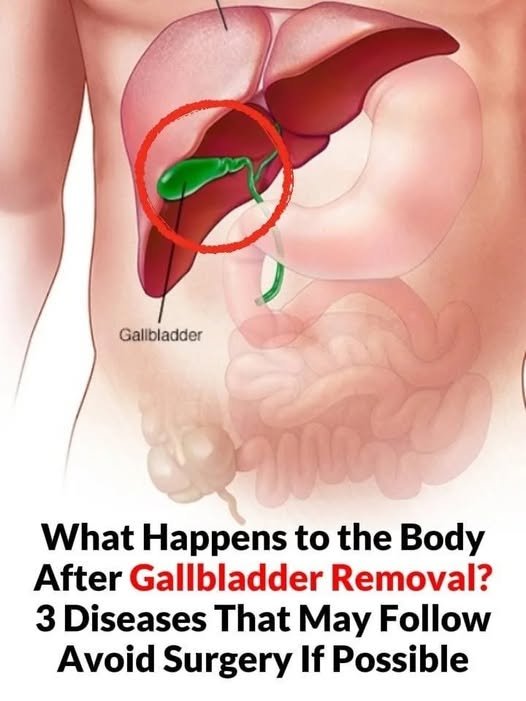
The gallbladder is a small, pear-shaped organ that stores and concentrates bile, a fluid produced by the liver to help digest fats. When the balance of bile components—particularly cholesterol and bile salts—becomes disrupted, stones can form. Nutrition plays a central role in this delicate balance. A diet rich in fiber, healthy fats, and specific vitamins can help maintain healthy bile flow and reduce the risk of stone formation.
The five nutrients discussed here are often highlighted for their potential roles in this process. Vitamin C is needed for the conversion of cholesterol into bile acids. Lecithin helps keep cholesterol suspended in bile, preventing it from crystallizing. Vitamin E acts as an antioxidant, protecting tissues from oxidative stress. B-complex vitamins, particularly choline and inositol, support fat metabolism and liver function. Magnesium is involved in numerous enzymatic reactions, including those related to bile production and muscle relaxation. By focusing on whole-food recipes, you can support these pathways gently and deliciously.
1. Vitamin C: The Cholesterol Converter
Vitamin C is a water-soluble vitamin renowned for its immune-boosting and antioxidant properties. In the context of gallstone health, it plays a specific and important role: it is required for the enzyme that converts cholesterol into bile acids. When vitamin C levels are low, this conversion process slows down, allowing cholesterol to accumulate in the gallbladder and potentially form stones. Some studies have suggested that increasing vitamin C intake may help reduce the risk of gallstone formation and support the breakdown of existing stones.
Food Sources of Vitamin C
The best way to increase your vitamin C intake is through fresh fruits and vegetables. Excellent sources include citrus fruits (oranges, grapefruits, lemons), bell peppers, kiwi, strawberries, broccoli, and tomatoes.
Recipe: Citrus and Bell Pepper Gallbladder-Friendly Salad
This vibrant, refreshing salad is packed with vitamin C and fiber, making it a perfect light lunch or side dish. The combination of citrus and peppers provides a powerful antioxidant boost.
Ingredients:
2 cups of mixed greens (spinach and arugula work well)
1 orange, peeled and segmented
1/2 red bell pepper, thinly sliced
1/2 yellow bell pepper, thinly sliced
1/4 cup of fresh cilantro or parsley, chopped
1 tablespoon of extra virgin olive oil
1 tablespoon of fresh lemon juice
A pinch of sea salt and black pepper
Instructions:
In a large salad bowl, combine the mixed greens, orange segments, and sliced bell peppers.
In a small jar or bowl, whisk together the olive oil, lemon juice, salt, and pepper to make the dressing.
Drizzle the dressing over the salad and toss gently to combine.
Garnish with fresh cilantro or parsley and serve immediately.
2. Lecithin: The Cholesterol Suspender
Lecithin is a fatty substance found in foods like egg yolks, soybeans, and sunflower seeds. It is rich in phosphatidylcholine, a key component of bile that helps keep cholesterol dissolved and suspended in the fluid. Without adequate lecithin, cholesterol can more easily crystallize and form stones. Some practitioners and researchers have explored lecithin supplementation as a way to support the breakdown of existing gallstones.
Food Sources of Lecithin
The richest dietary sources of lecithin include egg yolks, soybeans, sunflower seeds, and whole grains. Incorporating these foods into your meals is a simple way to support your bile composition.
Recipe: Sunflower Seed and Soybean Breakfast Bowl
This hearty breakfast bowl is a delicious way to start your day with lecithin-rich ingredients. The soybeans provide plant-based protein, while the sunflower seeds add crunch and healthy fats.
Ingredients:
1/2 cup of cooked soybeans (or edamame)
2 tablespoons of sunflower seeds
1/2 cup of cooked quinoa or brown rice
1/2 avocado, sliced
1 tablespoon of tahini (sesame paste)
A squeeze of lemon juice
Salt and pepper to taste
Instructions:
In a bowl, layer the cooked quinoa or rice, soybeans, and avocado slices.
Sprinkle the sunflower seeds over the top.
In a small bowl, mix the tahini with lemon juice and a little warm water to create a drizzling consistency. Season with salt and pepper.
Drizzle the tahini dressing over the bowl and enjoy.
3. Vitamin E: The Antioxidant Protector
Vitamin E is a fat-soluble antioxidant that protects cell membranes from damage caused by free radicals. In the context of gallstones, vitamin E is thought to help protect the cells lining the gallbladder and support healthy bile composition. Some animal studies have suggested that a deficiency in vitamin E may contribute to gallstone formation, and ensuring adequate intake is a sensible part of a gallbladder-supportive diet.
Food Sources of Vitamin E
Vitamin E is found in nuts, seeds, vegetable oils, spinach, and avocado. Almonds and sunflower seeds are particularly rich sources.
Recipe: Almond and Spinach Smoothie
This creamy green smoothie is a delicious and easy way to get a dose of vitamin E along with fiber and hydration. The spinach provides additional antioxidants, while the almond butter adds richness.
Ingredients:
1 cup of fresh spinach
1/2 cup of unsweetened almond milk
1 tablespoon of almond butter
1/2 banana (frozen is best for texture)
1 tablespoon of chia seeds
A few ice cubes (optional)
Instructions:
Place all ingredients in a blender.
Blend on high until smooth and creamy. If the smoothie is too thick, add a splash more almond milk.
Pour into a glass and enjoy immediately.
4. B-Complex Vitamins: The Metabolic Support Team
The B-complex vitamins are a group of eight water-soluble vitamins that play essential roles in energy production, metabolism, and liver function. In relation to gallstones, specific B vitamins are particularly relevant. Choline and inositol are lipotropic agents, meaning they help the liver process fats and prevent the accumulation of cholesterol and fat in the liver and bile. Vitamin B6 is also important for bile acid metabolism. Some traditional and alternative health sources suggest that these vitamins may help support the dissolution of gallstones.
Food Sources of B-Complex Vitamins
Choline is found in eggs, liver, soybeans, and peanuts. Inositol is present in whole grains, nuts, and cantaloupe. Vitamin B6 is abundant in poultry, fish, potatoes, and bananas.
Recipe: Egg and Oat Bran Muffins
These savory muffins are an excellent source of choline (from eggs), inositol (from oat bran), and B6 (from eggs and oats). They are perfect for a quick breakfast or snack and are gentle on digestion.
Ingredients:
1 cup of oat bran
1/2 cup of whole wheat flour
1 teaspoon of baking powder
1/2 teaspoon of salt
2 large eggs
1/2 cup of plain yogurt
1/4 cup of olive oil
1/4 cup of chopped fresh herbs (parsley or chives)
Instructions:
Preheat your oven to 375°F (190°C) and grease a muffin tin.
In a large bowl, mix the oat bran, flour, baking powder, and salt.
In a separate bowl, whisk the eggs, yogurt, and olive oil until well combined.
Pour the wet ingredients into the dry ingredients and stir until just combined. Fold in the fresh herbs.
Spoon the batter into the muffin cups, filling each about 3/4 full.
Bake for 18-20 minutes, or until a toothpick inserted into the center comes out clean. Allow to cool before serving.
5. Magnesium: The Relaxing Mineral
Magnesium is a mineral involved in over 300 enzymatic reactions in the body, including energy production, muscle function, and nerve transmission. For gallbladder health, magnesium is thought to help relax the smooth muscles of the gallbladder and bile ducts, potentially supporting healthy bile flow and reducing the risk of sluggish bile that can lead to stone formation. Some sources also suggest that magnesium, in combination with vitamin B6, may play a role in the dissolution of gallstones.
Food Sources of Magnesium
Magnesium is found in leafy green vegetables, nuts, seeds, whole grains, and legumes. Spinach, pumpkin seeds, and black beans are particularly rich sources.
Recipe: Creamy Pumpkin Seed and Spinach Soup
This comforting soup is packed with magnesium from spinach and pumpkin seeds, and it is gentle on the digestive system. The creamy texture comes from blended vegetables, not heavy cream, making it a gallbladder-friendly choice.
Ingredients:
1 tablespoon of olive oil
1 small onion, chopped
2 cloves of garlic, minced
4 cups of vegetable broth
2 medium potatoes, peeled and diced
4 cups of fresh spinach
1/4 cup of pumpkin seeds
Salt and pepper to taste
A squeeze of lemon juice
Instructions:
In a large pot, heat the olive oil over medium heat. Add the onion and garlic and sauté until soft and fragrant.
Add the vegetable broth and diced potatoes. Bring to a boil, then reduce the heat and simmer until the potatoes are tender (about 15 minutes).
Stir in the fresh spinach and cook until wilted (about 2 minutes).
Use an immersion blender or transfer the soup to a blender to puree until smooth.
Stir in the pumpkin seeds, reserving a few for garnish. Season with salt, pepper, and a squeeze of lemon juice.
Serve hot, garnished with the reserved pumpkin seeds.
Conclusion: Nourishment as a Supportive Strategy
Navigating gallstone health can feel complex, but focusing on nutrient-dense, whole foods is a positive and proactive step. The five vitamins and supplements discussed here—Vitamin C, Lecithin, Vitamin E, B-Complex, and Magnesium—are often highlighted for their potential roles in supporting bile composition, cholesterol metabolism, and gallbladder function. The recipes provided offer practical, delicious ways to incorporate these nutrients into your daily life.
It is crucial to remember that these dietary strategies are supportive, not curative. If you are experiencing symptoms of gallstones, such as severe abdominal pain, nausea, or jaundice, please seek medical attention promptly. Always consult with a healthcare professional before starting any new supplement regimen or making significant dietary changes, especially if you have a history of gallstones or other digestive conditions. With a thoughtful approach to nutrition, you can nourish your body and support your digestive wellness.
Frequently Asked Questions
Can these vitamins actually dissolve gallstones?
Some people claim that vitamins like C, E, and B-complex, along with lecithin and magnesium, can help dissolve gallstones. While there is some preliminary research and anecdotal evidence, medical consensus holds that no vitamin or supplement is a proven, reliable cure for gallstones. They are best viewed as supportive nutrients for overall gallbladder health.
What is the best food for gallstones?
A diet rich in fiber, healthy fats, and antioxidants is generally recommended. Foods like leafy greens, citrus fruits, nuts, seeds, whole grains, and lean proteins are excellent choices. Avoiding highly processed foods, refined sugars, and unhealthy fats is equally important.
Should I take supplements if I have gallstones?
You should always consult your doctor before starting any supplement. Some supplements may interact with medications or worsen certain conditions. A doctor can help you determine if supplementation is appropriate and safe for your specific situation.
Can a low-fat diet cause gallstones?
Yes, a diet that is extremely low in fat can actually increase the risk of gallstones because the gallbladder is not stimulated to contract and release bile regularly. Healthy fats, such as those from olive oil, avocados, and nuts, are important for healthy gallbladder function.
How can I support my gallbladder naturally?
Focus on a balanced diet rich in fiber, healthy fats, and the nutrients discussed in this article. Stay hydrated, maintain a healthy weight, and engage in regular physical activity. These lifestyle habits support overall digestive health.
Are there any foods that can trigger a gallstone attack?
Foods high in saturated fats, fried foods, and heavy, greasy meals can trigger gallbladder attacks in susceptible individuals. It is also wise to limit refined carbohydrates and added sugars.
When should I see a doctor?
You should seek medical attention immediately if you experience severe, persistent abdominal pain, nausea, vomiting, fever, or jaundice (yellowing of the skin or eyes). These can be signs of a serious complication and require prompt medical evaluation.