5 Symptoms of a Mini Stroke in Seniors That Shouldn’t Be Ignored
The Vascular Highway
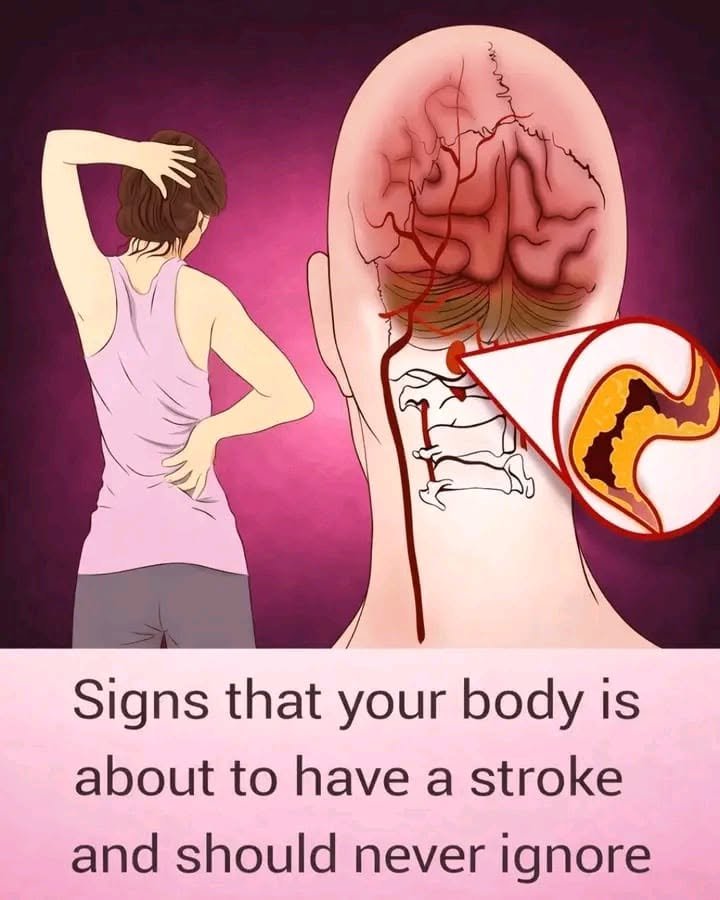
The human brain demands a constant, uninterrupted supply of oxygen and glucose to function. This is delivered through a complex network of blood vessels. As we age, these vessels naturally lose their elasticity. Decades of factors like high blood pressure, elevated cholesterol, smoking, or diabetes can lead to the buildup of plaque (atherosclerosis) along the arterial walls.
The Temporary Blockage
A TIA occurs when a blood clot or a piece of plaque travels through the bloodstream and temporarily lodges in one of the arteries supplying the brain. This blockage starves a specific region of the brain of oxygen. The brain cells in that area begin to malfunction, producing the sudden symptoms of a stroke.
The defining characteristic of a TIA is that the clot either dissolves on its own or gets dislodged, restoring blood flow before permanent brain tissue death (infarction) occurs. However, the underlying conditions that caused the clot—the narrowed arteries, the sticky blood—are still present. The next clot may not dissolve. The next clot may cause a permanent, disabling stroke.
Symptom 1: Sudden Numbness or Weakness (The Arm and Leg)
As vividly illustrated in the image with the lightning bolts around the man’s arm, sudden numbness or weakness is one of the most common and recognizable symptoms of a TIA.
The Physiology
The motor cortex of the brain controls voluntary muscle movement. It is organized contralaterally, meaning the left side of the brain controls the right side of the body, and vice versa. When a TIA interrupts blood flow to the motor cortex, the nerve signals to the muscles are disrupted.
How It Manifests in Seniors
In older adults, this symptom can be terrifyingly abrupt. It often affects one side of the body.
The Arm: The senior may suddenly feel as though their arm has “fallen asleep” and is incredibly heavy. They might lose grip strength, dropping a coffee cup, a book, or their cane.
The Leg: One leg may buckle or drag, causing them to stumble or fall. They may feel unable to support their own weight on that side.
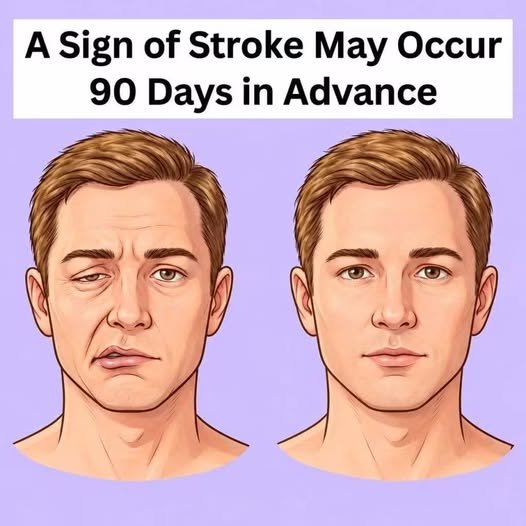
The Face: Numbness may affect the face, causing the mouth to droop or the eyelid to sag.
What to do: If a senior suddenly cannot raise both arms equally, or if one arm drifts downward when they try to hold them out, it is a critical red flag. Test their strength gently, but call emergency services immediately.
Symptom 2: Sudden Speech and Language Difficulties
Communication is a complex cognitive function controlled by specific areas in the brain (such as Broca’s area for speech production and Wernicke’s area for comprehension). When a TIA affects these regions, it can profoundly alter a person’s ability to speak or understand language.
The Physiology
A TIA in the left hemisphere (where language centers are typically located) can cause two main types of speech issues:
Dysarthria: This is a motor speech disorder. The muscles of the mouth, tongue, and throat become weak or paralyzed, resulting in slurred, garbled, or “drunken-sounding” speech. The person knows what they want to say, but the words come out mangled.
Aphasia: This is a language disorder. The person may suddenly be unable to find the right words (expressive aphasia), or they may not be able to understand what others are saying to them (receptive aphasia). They may speak in nonsensical sentences or seem suddenly confused.
How It Manifests in Seniors
A senior experiencing this might suddenly stop mid-sentence, unable to articulate their thoughts. They may struggle to name a familiar object, or their words might sound slurred. Caregivers might mistakenly attribute this to fatigue, dementia, or a dental issue. However, the sudden onset is the key.
What to do: Ask the senior to repeat a simple, common sentence, such as “The sky is blue.” If their speech is slurred, if they cannot find the words, or if they seem confused by the request, call for emergency help immediately.
Symptom 3: Sudden Vision Changes
The brain’s visual processing centers, located in the occipital lobe, are highly sensitive to a lack of oxygen. A TIA can temporarily disrupt vision in several distinct ways.
The Physiology
A clot can affect the ophthalmic artery (which supplies the eye) or the posterior cerebral artery (which supplies the visual cortex).
How It Manifests in Seniors
Amaurosis Fugax: This is a classic TIA symptom often described as a “curtain falling” over one eye. Vision in that eye may go completely dark for a few seconds or minutes before slowly returning.
Double Vision (Diplopia): The senior may suddenly see two of everything, making it difficult to walk or navigate a room.
Blurred or Lost Vision: There may be a sudden, significant blurring of vision, or a loss of peripheral vision on one side.