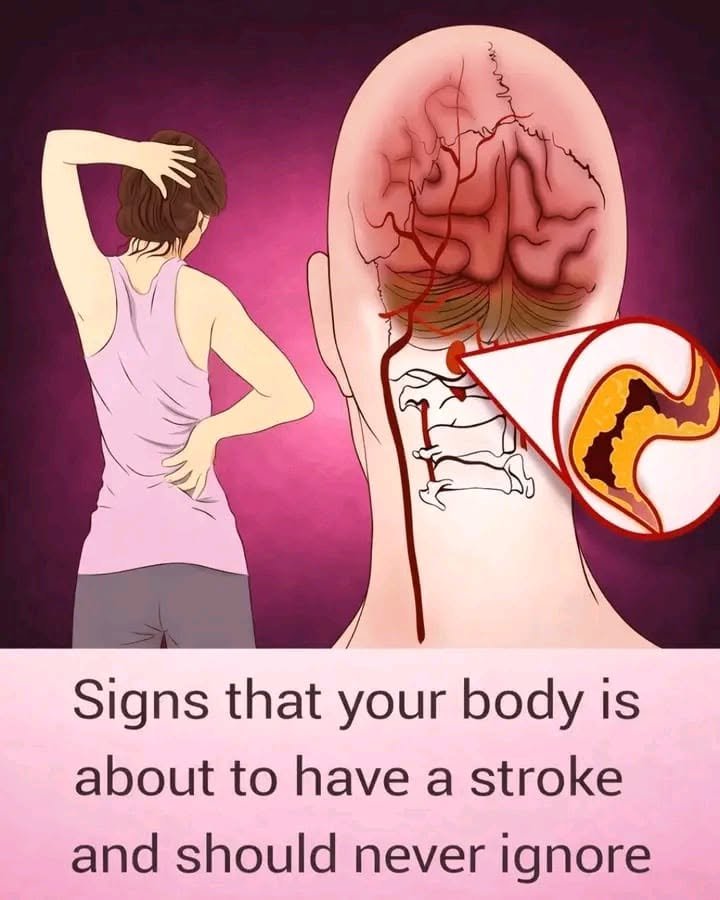
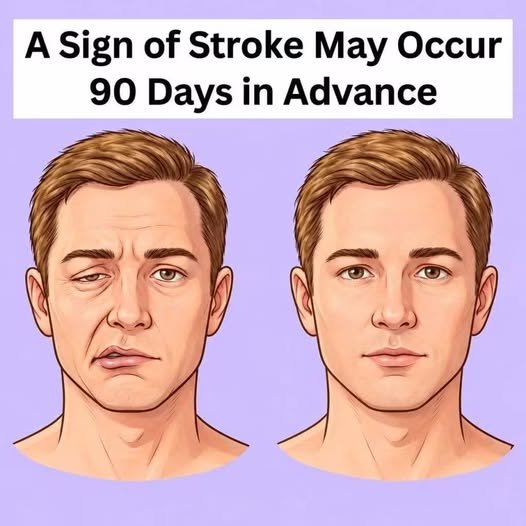
5 Symptoms of a Mini Stroke in Seniors That Shouldn’t Be Ignored
This “minor stroke” is medically known as a Transient Ischemic Attack (TIA). Despite the word “minor,” a TIA is a massive, blaring alarm bell ringing from within the body. It is a temporary blockage of blood flow to a specific part of the brain, causing stroke-like symptoms that typically resolve within minutes to a few hours. Because the symptoms fade, many seniors and their caregivers dismiss the event as a momentary dizzy spell, a pinched nerve, or a sign of old age. This is a profoundly dangerous mistake.
A TIA is the body’s final, urgent warning that a major, catastrophic, and potentially fatal stroke is imminent. According to medical research, up to 15% of people who experience a mini-stroke will suffer a major stroke within three months, with the highest risk occurring within the first 48 hours.
For older adults, whose cardiovascular systems have endured decades of wear and tear, recognizing these warning signs is not just a matter of general health awareness—it is a matter of life, death, and the preservation of independence. This comprehensive guide will meticulously detail the five critical symptoms of a mini-stroke in seniors, explore the physiological mechanisms behind each one, and provide an actionable emergency protocol to protect your loved ones.
Understanding the Mini-Stroke: The Brain’s Desperate Warning
Before we explore the five specific symptoms, it is essential to understand what is actually happening inside the aging brain during a TIA.