3 Exercises to Relieve Sciatica Leg Pain: Practical and Effective
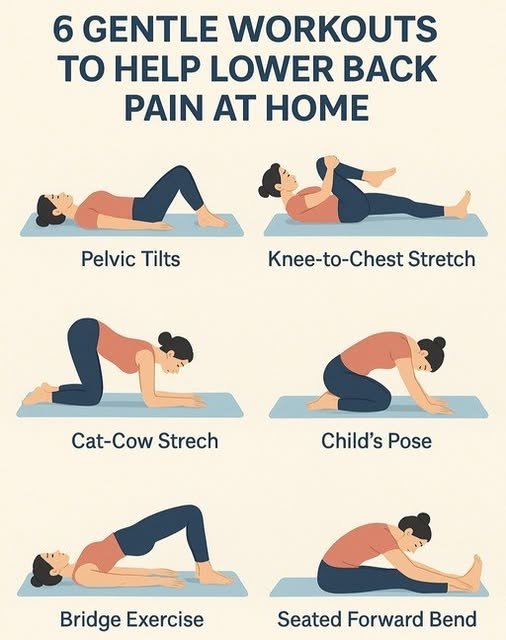
Exercise 3: The Supine Knee-to-Chest Lumbar Release
While the first two exercises target the glute and the nerve itself, this third exercise focuses on the lower back. If the sciatica is caused by spinal compression (like a herniated disc), gently decompressing the lumbar spine is critical.
Step-by-Step Instructions:
Lie Down: Lie flat on your back with your legs extended and your arms resting by your sides.
Bend One Knee: Slowly bend your right knee and bring it up toward your chest.
The Embrace: Clasp your hands around your knee (or behind your thigh if you cannot reach your knee).
The Pull: Gently pull your knee as close to your chest as is comfortably possible. You should feel a stretch in your lower back and buttock. Keep your left leg flat on the floor (if this causes pain, bend the left knee and keep the foot flat on the floor).
Hold and Breathe: Hold the stretch for 20 to 30 seconds. Relax your shoulders and breathe deeply.
Switch and Combine: Lower the right leg, repeat with the left leg. After stretching each leg individually, you can bring both knees to your chest at the same time (a “double knee-to-chest” stretch) for an even deeper lumbar release.
Why It Works:
Pulling the knees to the chest gently flexes the lumbar spine, opening up the spaces between the vertebrae (the intervertebral foramen). This takes pressure off the discs and the nerve roots, providing relief for pain that originates in the lower back.
Creating a Daily Sciatica Relief Routine
These three exercises are highly effective, but consistency is the key to long-term relief. Here is how to integrate them into your day:
Morning: Start your day with the Knee-to-Chest stretch to gently mobilize your lower back after a night of sleep.
Mid-Day: If you have a desk job, do the Seated Nerve Glide every few hours. It is discreet and can be done right in your chair to prevent stiffness.
Evening: Before bed, perform the Figure-4 Piriformis Stretch to release the tension built up in your glutes from sitting or standing all day.
The Importance of Posture and Ergonomics
Exercises will only do so much if you continue to aggravate the nerve throughout the day.
Avoid prolonged sitting: Get up and walk around every hour.
Sitting posture: Avoid sitting on a thick wallet in your back pocket, as it tilts the pelvis and compresses the sciatic nerve. Use a chair with good lumbar support.
Sleeping posture: If you sleep on your side, place a pillow between your knees. If you sleep on your back, place a pillow under your knees. This keeps the spine in a neutral alignment.
When to See a Doctor: The Red Flags
While conservative exercises are the first line of defense for sciatica, you must know when the condition requires immediate medical attention. Stop exercising and seek emergency medical care if you experience:
Cauda Equina Syndrome (A Medical Emergency): Sudden loss of bladder or bowel control, or numbness in the “saddle” area (the groin and inner thighs). This requires immediate surgery to prevent permanent paralysis.
Progressive Weakness: If your leg or foot becomes so weak that you cannot lift your foot (foot drop) or you feel like your leg is giving out.
Severe, Unrelenting Pain: If the pain is unbearable and does not improve with rest or gentle movement.
Fever and Back Pain: This could indicate an infection in the spine.
Conclusion: Reclaiming Your Movement
The image of the red, inflamed lower back and the lightning bolt of pain is a powerful reminder of how debilitating sciatica can be. But the anatomical chart next to it is also a reminder that our bodies are highly resilient and designed to move. By incorporating these three targeted exercises—the Figure-4 stretch, the seated nerve glide, and the knee-to-chest release—you can address the muscular tension and spinal compression that are causing the nerve to scream.
Be patient with yourself. Nerve pain takes time to heal. Perform these exercises daily, listen to your body’s signals, and combine your movement routine with good ergonomic habits. With consistency and care, you can calm the inflamed nerve, relieve the radiating leg pain, and reclaim your active, pain-free life.
Frequently Asked Questions
What is the fastest way to relieve sciatica pain?
The fastest natural relief often comes from the Figure-4 Piriformis Stretch. Releasing the deep gluteal muscle can immediately take the pressure off the nerve. Applying a heating pad to the lower back and buttock before stretching can also help relax the muscles faster.
Should I rest in bed if I have sciatica?
No. Prolonged bed rest is not recommended for sciatica and can actually make the pain worse. Gentle, targeted movement and stretching are much more effective at reducing inflammation and restoring mobility.
How often should I do these sciatica exercises?
For acute pain, perform the Figure-4 stretch and Knee-to-Chest stretch twice a day (morning and evening). The Seated Nerve Glide can be done several times a day, especially if you sit at a desk.
What if stretching makes my sciatica worse?
If a stretch causes a sharp, electric shock down your leg, stop immediately. This means you are over-stretching the nerve or compressing it further. Try a gentler approach, or switch to the nerve glides, which do not over-stretch the nerve.
Can I walk with sciatica?
Yes, walking is generally excellent for sciatica, provided it does not worsen your pain. It helps nourish the spinal discs and keeps the muscles active. Start with short, flat walks and gradually increase the distance.
What is the difference between a herniated disc and piriformis syndrome?
A herniated disc compresses the nerve at the root in the spine, often causing pain that worsens when bending forward or sitting. Piriformis syndrome is a muscular issue in the buttock that compresses the nerve further down, often worsening with prolonged sitting and deep gluteal pressure. The Figure-4 stretch targets the latter.
Is it okay to use a foam roller on my sciatic nerve?
It is generally not recommended to roll directly over the inflamed sciatic nerve. However, using a tennis ball or foam roller on the gluteal muscles (avoiding the direct path of the nerve) can help release muscle tension and relieve secondary pain.
When should I see a doctor for sciatica?
You should see a doctor if the pain lasts longer than 4 to 6 weeks, if it is severe and unrelenting, or if you experience progressive weakness, numbness, or loss of bladder/bowel control (which is a medical emergency).