10 Warning Signs Your Kidneys May Not Be Working Properly: Pay Attention to Your Body’s Signals
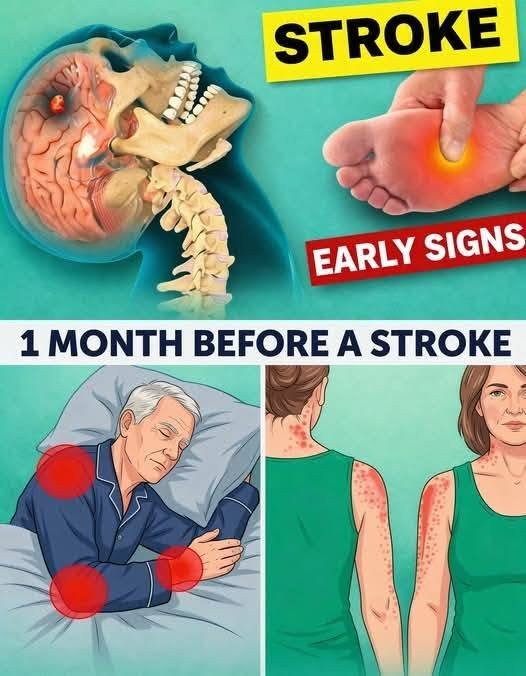
While these specific images are dramatic illustrations, they point to a profound medical truth: when your kidneys are in trouble, the symptoms often manifest in places far from the kidneys themselves. The kidneys are two bean-shaped organs located in the lower back, and they are the unsung heroes of the human body. Every single day, they filter about 200 liters of blood, removing waste products, toxins, and excess fluid to produce urine. They also regulate blood pressure, balance electrolytes, produce hormones that prompt red blood cell production, and play a crucial role in maintaining bone health by activating Vitamin D.
Because the kidneys possess an extraordinary amount of functional reserve, they can continue to operate at a fraction of their total capacity without producing any obvious symptoms. This is why kidney disease is frequently referred to as a “silent killer.” In many cases, a person can lose up to 90% of their kidney function before they begin to feel noticeably ill.
However, the body is not entirely silent. As the kidneys begin to lose their ability to filter waste, toxins begin to accumulate in the bloodstream, and the delicate balance of fluids and electrolytes is disrupted. This cascade of physiological failures produces a wide array of warning signs. Recognizing these ten critical symptoms is not just a matter of general health awareness; it is a matter of life and death. Early detection is the single most effective way to slow the progression of kidney disease, prevent kidney failure, and save your life.
1. Changes in Urination: The Most Direct Indicator
The most direct and obvious indicators of kidney health are found in your urine. The kidneys are responsible for making urine, so when they are in trouble, the characteristics of your urine will likely change.
Foamy Urine
If you notice a lot of bubbles or foam in your urine, especially if it looks like the foam from a beer or a soapy dish, it could be a sign of a problem. This foam is often caused by an excess of a protein called albumin in the urine, a condition known as proteinuria. In a healthy kidney, the filtering units (glomeruli) are designed to keep large molecules like proteins in the blood. When the filters are damaged, protein leaks into the urine.
Changes in Frequency and Volume
Increased Urination (Polyuria): You may find yourself needing to urinate more often, especially at night (nocturia). When the kidneys are damaged, they may not be able to concentrate the urine, causing the body to excrete more water to flush out the accumulating waste.
Decreased Urination: Conversely, if the kidneys are failing to filter fluids effectively, you may produce very little urine, leading to dangerous fluid retention in the body.
Difficulty Urinating: You may experience a weak stream, a feeling of incomplete emptying, or a burning sensation during urination, which can indicate an infection or kidney stone.
Changes in Color
Dark brown or tea-colored urine can indicate bleeding in the urinary tract or severe kidney damage. Blood in the urine (hematuria) should always be evaluated by a medical professional immediately.
2. Puffy Eyes and Swelling (Edema)
When the kidneys are failing, they lose their ability to effectively balance the body’s fluid levels. This leads to the retention of fluid in the tissues, a condition called edema.
The Facial Warning
One of the earliest and most common signs of kidney disease is puffiness around the eyes, particularly first thing in the morning. This is because the skin around the eyes is very delicate and highly susceptible to fluid accumulation. You may wake up and find your eyelids swollen, or you may notice bags under your eyes that are more pronounced than usual.
Swelling in the Extremities
As the day progresses, gravity pulls this retained fluid downward. You may notice swelling in your feet, ankles, and lower legs. This swelling may be accompanied by a feeling of heaviness or tightness in the skin. If you press your finger into the swollen area and it leaves an indentation (pitting edema), this is a strong indicator of fluid retention.
3. Severe, Unyielding Skin Itching
As depicted on the left side of the image, intense and persistent scratching is a highly overlooked but common symptom of advanced kidney disease. When the kidneys fail to filter out waste products, these toxins build up in the bloodstream, a condition called uremia.
Uremic Pruritus
The buildup of urea and other toxins in the skin causes severe irritation. Furthermore, the kidneys play a role in regulating the balance of minerals like phosphorus. As the kidneys fail, phosphorus levels can become dangerously high, which can cause calcium to deposit in the skin, triggering a severe, maddening itch.
This is not the normal dryness that can be treated with a simple moisturizer. This is an internal itch that demands scratching. For many patients with end-stage renal disease, this itching becomes their most distressing symptom, often worsening at night and disrupting sleep.
4. Numbness, Tingling, and a “Crawling” Sensation
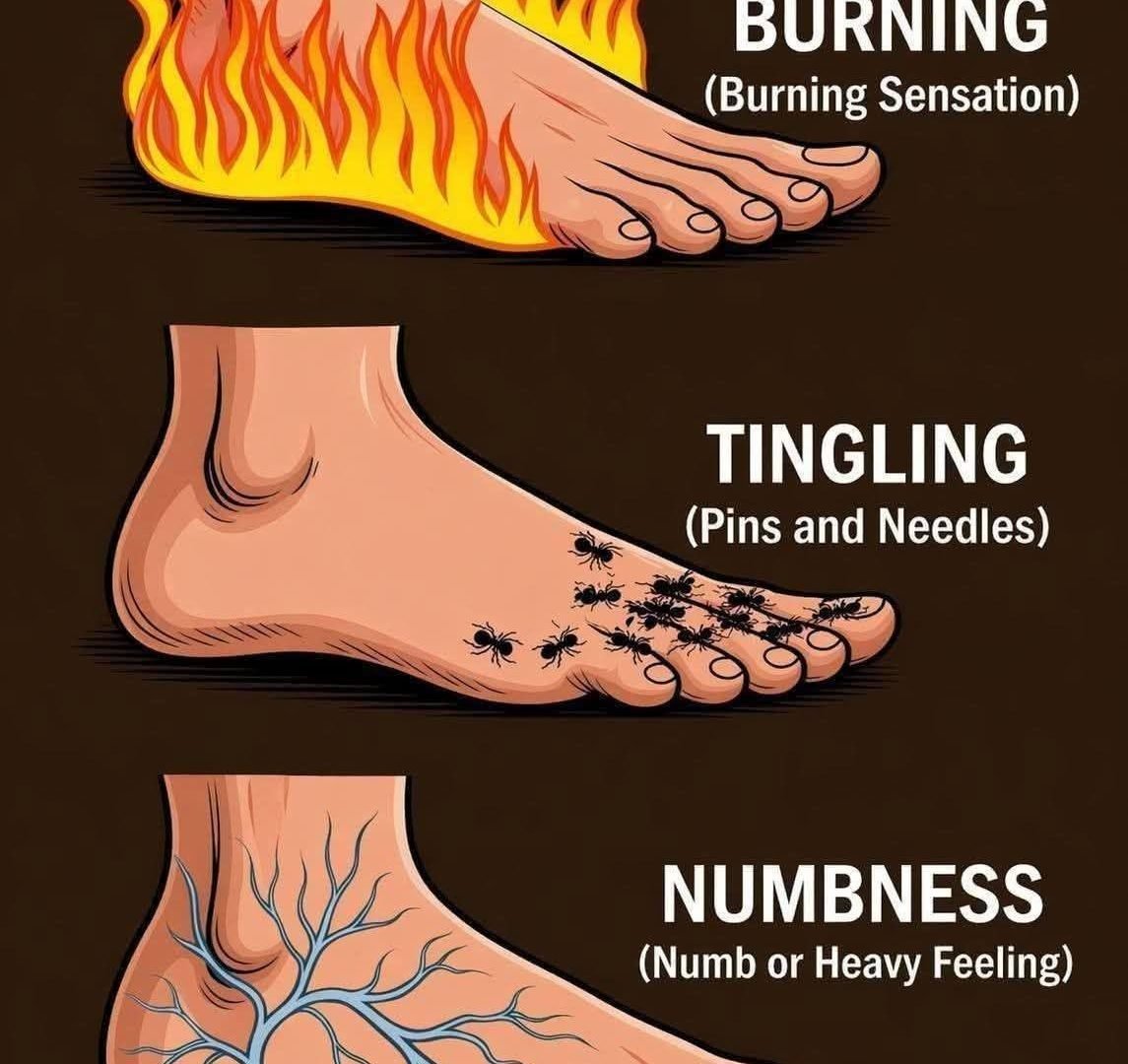
The right side of the image, showing ants crawling over the feet, is a brilliant visual metaphor for peripheral neuropathy. Neuropathy is a condition characterized by numbness, tingling, burning, and even a strange crawling sensation, usually starting in the feet and hands.
The Toxin Connection
How do failing kidneys cause nerve damage? The buildup of uremic toxins in the blood is toxic to the peripheral nerves. Additionally, kidney disease disrupts the balance of crucial electrolytes, such as calcium and potassium. When these levels are out of sync, the nerves cannot properly transmit electrical signals.
Patients often describe feeling as though they are walking on pins and needles, or they may lose sensation in their feet entirely. This loss of sensation is incredibly dangerous, as it can lead to unnoticed injuries, infections, and an increased risk of falls.
5. Unrelenting Fatigue and Weakness
Feeling constantly tired is one of the most common and easily overlooked symptoms of kidney disease. If you are feeling exhausted despite getting adequate sleep and are lacking energy for everyday tasks, it warrants investigation.
The Anemia Connection
The kidneys produce a vital hormone called erythropoietin (EPO). This hormone signals the bone marrow to produce red blood cells, which are responsible for carrying oxygen throughout the body. When the kidneys are damaged, they produce less EPO. The result is a decrease in red blood cells, a condition known as anemia. Without enough oxygen-rich blood reaching your brain and muscles, you will feel profound fatigue, weakness, and a general sense of lethargy.
6. Shortness of Breath (Dyspnea)
Feeling like you can’t catch your breath, even after minimal exertion, is a frightening symptom that can have several causes in kidney disease.