Why You Should Never Hang a Tea Towel on Your Oven Door Handle
The Oven Door Is Not a Towel Rack
An oven door may look sturdy, but it is engineered for a specific job: sealing heat inside the oven and opening smoothly when you need access. It is not a load-bearing hook. Hanging a towel on the handle changes the forces acting on the door hinges, the handle mounts, and the door seal. A dry towel may seem light, but a damp towel can weigh considerably more. Over months and years, even a small repeated load can produce wear.
The problem is compounded by heat. The handle and the outer door panel can become warm during cooking, especially on older ovens, ovens with worn seals, or models that vent heat through the door. A towel left in contact with a warm surface for long periods can dry out, become brittle, and grow more flammable. If the towel is also carrying cooking grease, flour dust, or lint, its ignition risk increases.
Fire Risk: The Most Serious Danger
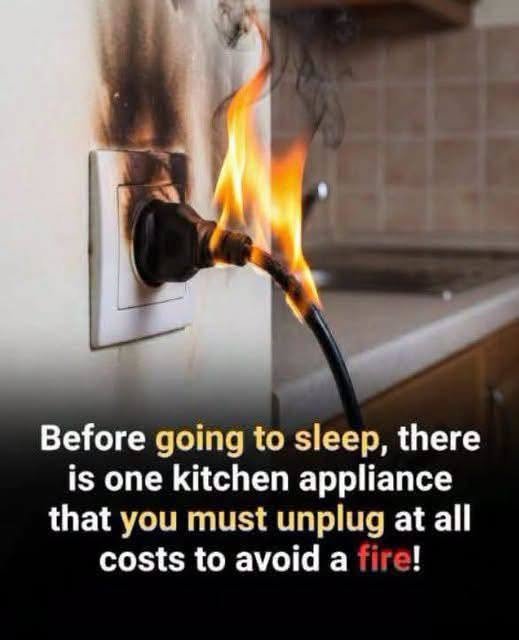
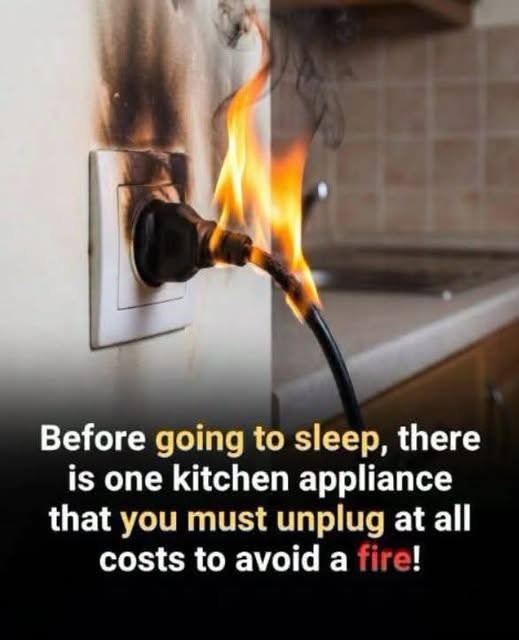
The most important reason to stop hanging towels on the oven handle is fire. Kitchen fires are among the most common causes of home fires, and fabric near a heat source is a classic ignition pathway. The towel does not need to be touching an open flame to be dangerous. It only needs to be close enough to a hot surface or hot air.
Opening the Oven Door
The moment you open the oven door, a concentrated wave of hot air rushes outward. A towel hanging on the handle can flip inward, swing toward the oven cavity, or brush against the hot inner glass, the door frame, or the heating element. On a gas oven, the towel can swing toward an open flame. On an electric oven, it can contact the hot heating element or the hot interior surfaces. In seconds, a dangling corner can scorch, smolder, or ignite.
This risk is easy to underestimate because most people open the oven briefly and step back. But cooking is full of distractions. A timer sounds, a child calls, a phone rings, and the oven door stays open for longer than intended. A towel hanging on the handle is perfectly positioned to catch the heat.
Contact With the Cooktop
Many ovens are installed directly below a stovetop. A towel hanging from the oven handle can dangle near the edge of the cooktop or come into contact with a hot burner, a hot pan, or a plume of steam and grease. If a burner is left on accidentally, the towel can ignite. If a pan is moved toward the front of the stove, the towel can catch on the handle or touch the hot surface.
Grease and Lint Make It Worse
Kitchen towels absorb cooking grease, oil splatter, and food particles. A towel that has been used near the stove may carry a thin film of flammable residue. Lint and frayed edges also catch sparks and embers more easily. A clean cotton towel is already combustible. A greasy, lint-covered towel is far more dangerous.
The Smoldering Risk
Not every fire starts with a dramatic flame. A towel can smolder for minutes before bursting into flame, especially if it is tightly folded or pressed against a hot surface. Smoldering produces smoke and toxic gases. If the towel is left on the handle while the oven cools, the heat may be enough to char the fabric and create a persistent burning smell. In the worst case, the smoldering fabric can ignite later.