Why Do Leg Cramps Happen While Sleeping? Experts Reveal the Common Reasons and How to Stop Them
The Anatomy of a Nocturnal Cramp: What is Happening in Your Leg?
To understand why your leg seizes up in the dark, it is essential to understand how muscles work. Muscles operate through a delicate balance of contraction and relaxation, controlled by electrical signals from the nervous system and the presence of specific minerals (electrolytes) in the body.
The Mechanism of the Spasm
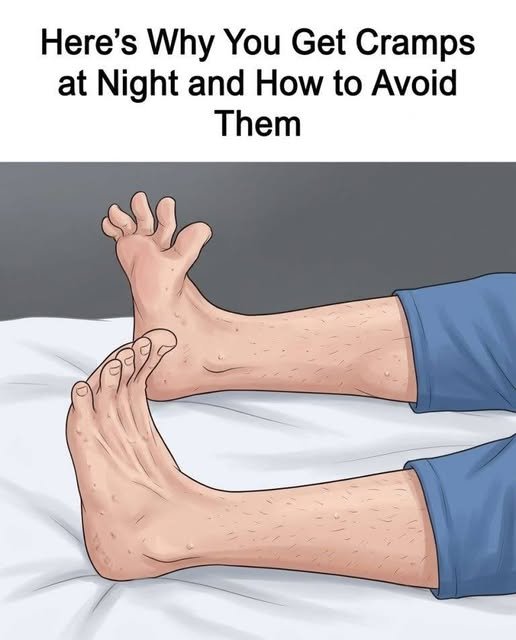
A cramp occurs when a muscle involuntarily contracts and cannot relax. This is often due to a misfiring of the nerve signals that control the muscle, or a depletion of the energy required to pump calcium back into the muscle cells after a contraction. When the muscle stays locked in a contracted state, it compresses the blood vessels around it, restricting blood flow and causing the intense, radiating pain depicted in the red calf muscles in the image.
Why the Calf Muscles?
While cramps can happen in the feet, thighs, and hands, the calf muscles (specifically the gastrocnemius and soleus) are the most frequent victims. This is because the calf muscles bear the brunt of our body weight, are highly active during the day, and are prone to fatigue. When you are sleeping, your foot often naturally points downward (a position called plantar flexion). This position shortens the calf muscles, making them highly susceptible to cramping if they are fatigued or deprived of electrolytes.
Reason 1: Dehydration and Electrolyte Imbalance
This is one of the most common culprits behind nighttime cramps. Electrolytes are minerals that carry an electric charge and are essential for muscle function. The key players are:
Magnesium: Helps muscles relax. A deficiency is heavily linked to muscle cramps and spasms.
Potassium: Crucial for nerve signaling and muscle contraction.
Calcium: Required for muscle contraction (but if not balanced with magnesium, it can cause sustained contraction).
Sodium: Maintains fluid balance.
If you are not drinking enough water during the day, or if you lose too much fluid through sweat, your electrolyte levels can drop. Even mild dehydration can disrupt the delicate balance required for normal muscle function, leading to nocturnal cramps.
Reason 2: Muscle Fatigue and Overexertion
If you spent the day walking extensively, standing on hard surfaces, or engaging in intense physical exercise, your muscles may be exhausted. Muscle fatigue alters the normal reflexes in the spinal cord, making the muscle more likely to cramp.
Furthermore, exercising heavily without proper stretching can lead to a buildup of lactic acid and metabolic waste in the muscles, which can trigger spasms when you finally relax at night.
Reason 3: Poor Circulation and Peripheral Artery Disease (PAD)
The red glow in the leg diagram represents more than just pain; it represents a struggle for oxygen. Poor circulation means that the blood vessels in your legs are narrowed, restricting the flow of oxygen and nutrients to the muscles.
The most serious form of this is Peripheral Artery Disease (PAD), where plaque builds up in the arteries. If your leg cramps are accompanied by a cold feeling in your feet, shiny skin on the legs, or cramping that occurs consistently after walking a short distance (claudication), you should consult a doctor immediately.
Reason 4: The Side Effects of Medication
Sometimes, the very medications we take to stay healthy can cause leg cramps. Several common classes of drugs are known to trigger these nighttime spasms:
Diuretics (Water Pills): Often prescribed for high blood pressure or heart conditions, diuretics flush excess fluid (and essential electrolytes like potassium and magnesium) out of the body.
Statins: Used to lower cholesterol, statins can cause muscle pain and cramping in some individuals.
Beta-Agonists: Found in inhalers for asthma, these can cause muscle tremors and cramps.
Certain Blood Pressure Medications: ACE inhibitors and calcium channel blockers can sometimes be culprits.