Why Daily Showers After 65 May Do More Harm Than Good
The Bathroom Environment: A Hazard for Seniors
Beyond the dermatological concerns, there is another major reason to limit shower frequency for seniors: safety. The bathroom is one of the most dangerous rooms in the house for older adults.
The Risk of Falls
According to the CDC, falls are the leading cause of injury and injury-related death for adults over 65. The shower is a prime location for these accidents. The combination of slippery wet tiles, steam that can cause dizziness, and the need to step over the high lip of a bathtub creates a high-risk environment.
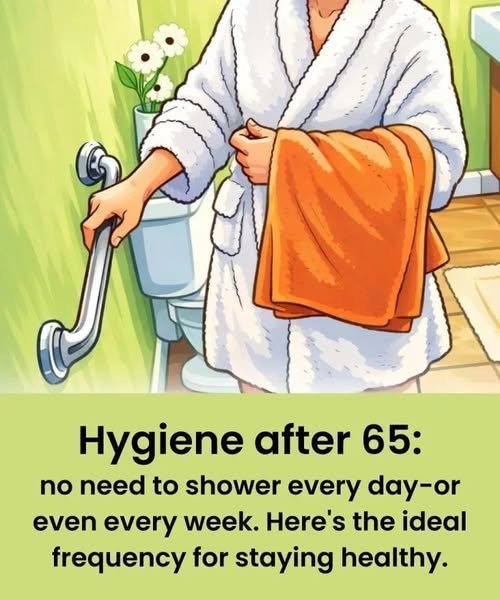
The more frequently a senior showers, the more often they are exposed to this risk. By reducing full showers to two or three times a week, you are effectively reducing their exposure to slip-and-fall hazards. This is exactly why the image shows a senior using a sturdy metal grab bar next to the toilet and shower area.
Balance and Fatigue
Older adults often suffer from balance issues and reduced stamina. Standing for 15 to 20 minutes in a hot, steamy shower can cause blood pressure to drop, leading to dizziness and lightheadedness. The physical act of reaching to wash hair or feet can also throw a senior off balance. Limiting the frequency of these high-exertion showers helps conserve energy and reduces the likelihood of a fall.
Burns and Sensitivity
Aging skin is much thinner and more sensitive to temperature changes. The nerve endings that signal “hot” may not work as efficiently, meaning a senior might not realize the water is scalding until they have already suffered a burn. Reducing shower frequency and controlling the temperature when they do shower is vital.
The Ideal Senior Shower Routine: Best Practices
When a senior does take a full shower, it is crucial to do it in a way that protects their skin and ensures their safety. Here is the gold-standard routine.
1. Prepare the Environment
Before entering the bathroom, ensure the room is warm. Turn on a space heater if necessary (keeping it away from water). Lay down a non-slip rubber mat both inside the shower and on the bathroom floor. Ensure the grab bars (like the one in the image) are securely installed.
2. Use Lukewarm Water
This is one of the most important rules. Hot water is incredibly damaging to the lipid barrier of the skin. It strips away oils rapidly and can cause burns. The water should be comfortably warm, not hot. Keep the shower duration short—ideally between 5 and 10 minutes.
3. Choose a Gentle Cleanser
Seniors should avoid harsh, highly fragranced soaps and antibacterial washes. The best choice is a syndet (synthetic detergent) or a “soap-free” body wash that is pH-balanced and contains moisturizing ingredients like ceramides or glycerin. Alternatively, plain warm water is sufficient for the limbs and torso on most days.
4. Focus on the “Pits and Bits”
It is not necessary to scrub the entire body from head to toe with soap every time. Focus the soap on the armpits, groin, feet, and face. The rest of the body can simply be rinsed with water. This prevents over-drying while maintaining hygiene.
5. The 3-Minute Moisture Rule
The most critical step for senior skin health is moisturizing immediately after the shower. While the skin is still slightly damp, pat dry with a soft towel (do not rub vigorously) and apply a thick, fragrance-free moisturizer (like a ceramide cream or an ointment like Vaseline) within three minutes. This traps the water in the skin and helps repair the lipid barrier.
6. Hair Washing Considerations
Washing hair can be the most physically demanding part of a shower and carries the highest risk of falls (due to reaching and closing the eyes). Seniors can wash their hair less frequently (once a week is often sufficient) or, even better, use a kitchen sink or a salon-style washing bowl with a sprayer while seated to reduce the risk of slipping in the shower.
Creating a Hygiene Routine for Skin Health and Dignity
It is essential for caregivers and family members to approach the topic of reduced showering with empathy. For many seniors, showering every day has been a lifelong habit, and stopping can feel like a loss of dignity or a sign of “giving up.”
Education is Key
Explain to the senior that the rules have changed. Show them how their skin is getting thinner and drier. Frame the reduced shower schedule not as a punishment or a chore reduction, but as a medical necessity to protect their skin from itching, cracking, and infection.
Making Sponge Baths Comfortable
Make the “cat bath” routine a pleasant experience. Use warm, damp washcloths, gentle cleansers, and a nice smelling lotion. Set up a comfortable chair at the bathroom sink so they don’t have to stand.
The Role of Diet and Hydration
Skin health is not just about what you put on it; it’s about what you put in your body. Ensure the senior is drinking enough water (dehydration makes dry skin even worse). A diet rich in healthy fats (like avocados, nuts, and olive oil) and antioxidants can help support the skin’s natural barrier from the inside out.
Conclusion: Quality Over Quantity
The viral post claiming that seniors don’t need to shower every day—or even every week—is not as radical as it sounds. It is a necessary recalibration of our hygiene standards based on the biological realities of aging. The skin of a 65-year-old is fundamentally different from the skin of a 25-year-old. It is thinner, it produces less oil, and it has a more fragile microbiome.
Daily showers, while well-intentioned, strip the skin of its natural protection, leading to severe dryness, itching, and an increased risk of infection. By reducing the frequency of full showers to two or three times a week, supplementing with daily “pits and bits” sponge baths, and adopting a gentle, moisturizing shower routine, seniors can protect their skin and their health.
Furthermore, reducing shower frequency naturally reduces the risk of dangerous falls in the bathroom. By embracing a routine that prioritizes quality over quantity, seniors can maintain proper hygiene, protect their delicate skin barrier, and stay safe and comfortable in their golden years.
Frequently Asked Questions
Is it true that seniors don’t need to shower every day?
Yes. As we age, the skin loses oil and moisture, and the lipid barrier becomes fragile. Daily showering can strip away the skin’s natural oils, leading to severe dryness, itching, and an increased risk of infection. For most healthy seniors, showering 2 to 3 times a week is sufficient.
Can seniors skip showering for a whole week?
For most seniors, showering once a week is the bare minimum. However, it is crucial to wash the face, armpits, groin, and feet daily using a washcloth (a “sponge bath”). This prevents body odor and maintains hygiene in the areas that accumulate the most bacteria.
What is the best soap for older adults?
Seniors should avoid harsh, highly fragrant, or antibacterial soaps. The best choices are gentle, pH-balanced, soap-free cleansers (syndets) that contain moisturizing ingredients like ceramides or glycerin.
Why is hot water bad for senior skin?
Hot water is highly effective at dissolving the skin’s natural lipid barrier. Because senior skin already has fewer lipids, hot water strips away what little protection remains, leading to cracked, dry, and irritated skin. Lukewarm water is always recommended.
How can I prevent itchy skin after a shower?
To prevent itchy skin, keep showers short (under 10 minutes) and use lukewarm water. Pat the skin dry gently with a towel, and apply a thick, fragrance-free moisturizer within 3 minutes of getting out of the shower while the skin is still damp. This locks in hydration.
What is a “sponge bath” and how is it done?
A sponge bath involves washing specific areas of the body (face, underarms, groin, feet) with a warm, damp washcloth and a small amount of gentle cleanser. It allows seniors to maintain hygiene on the days they don’t take a full shower, reducing their risk of slipping in the tub.
Are grab bars necessary in the shower for seniors?
Yes. Grab bars are essential safety devices. Seniors are at a high risk of falls due to balance issues, slippery tiles, and dizziness from hot water. Grab bars, along with non-slip mats and a shower chair, dramatically reduce the risk of injury.
How often should seniors wash their hair?
Hair washing frequency depends on hair type and activity level, but once or twice a week is generally sufficient for seniors. Washing hair can be physically taxing and risky (due to getting soap in the eyes and reaching overhead), so washing it in a sink while seated is a safer alternative.