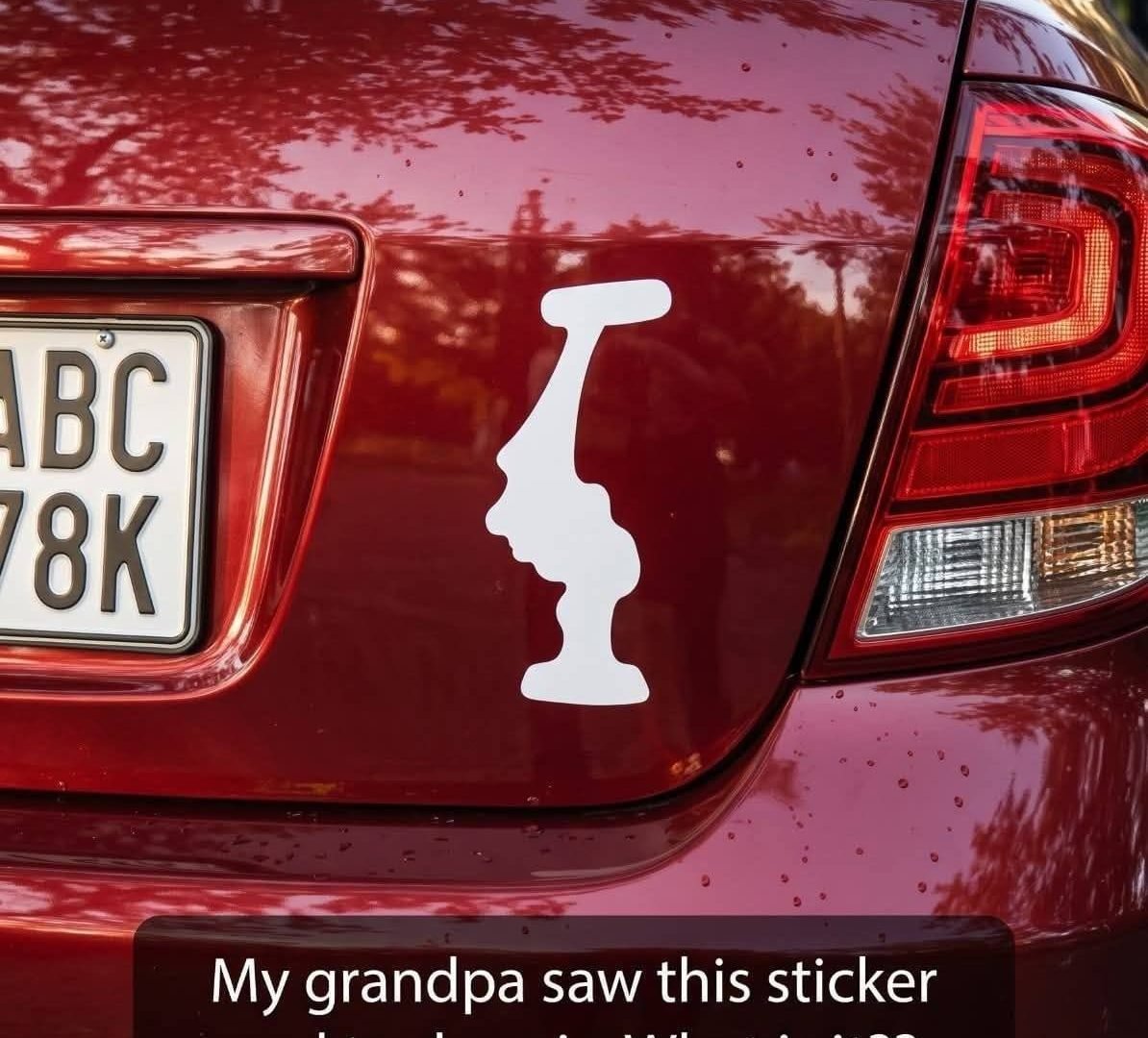
What Is the White Sticker on the Ford F-150? Decoding the Viral Mystery
This comprehensive guide will decode the mystery of the New Hampshire state decal. We will explore the exact geography that makes up the shape, the cultural phenomenon of state-pride decals on vehicles, the reasons why people choose to display their home states, and the psychology behind why these minimalist silhouettes often leave older generations or out-of-state observers completely baffled.
The Reveal: The State of New Hampshire
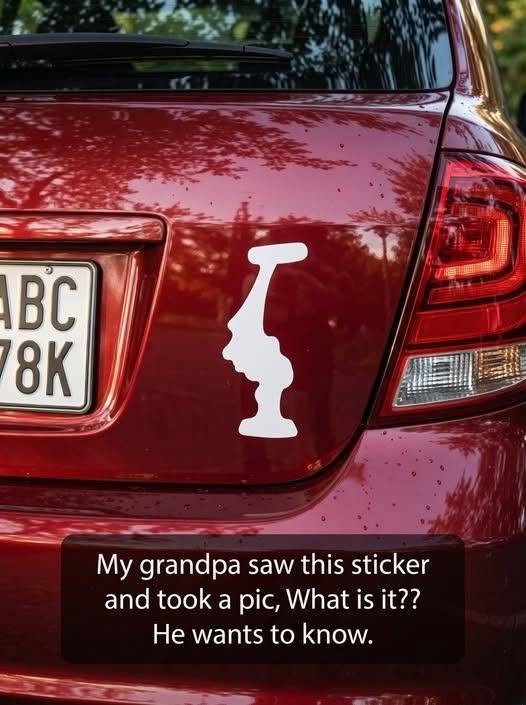
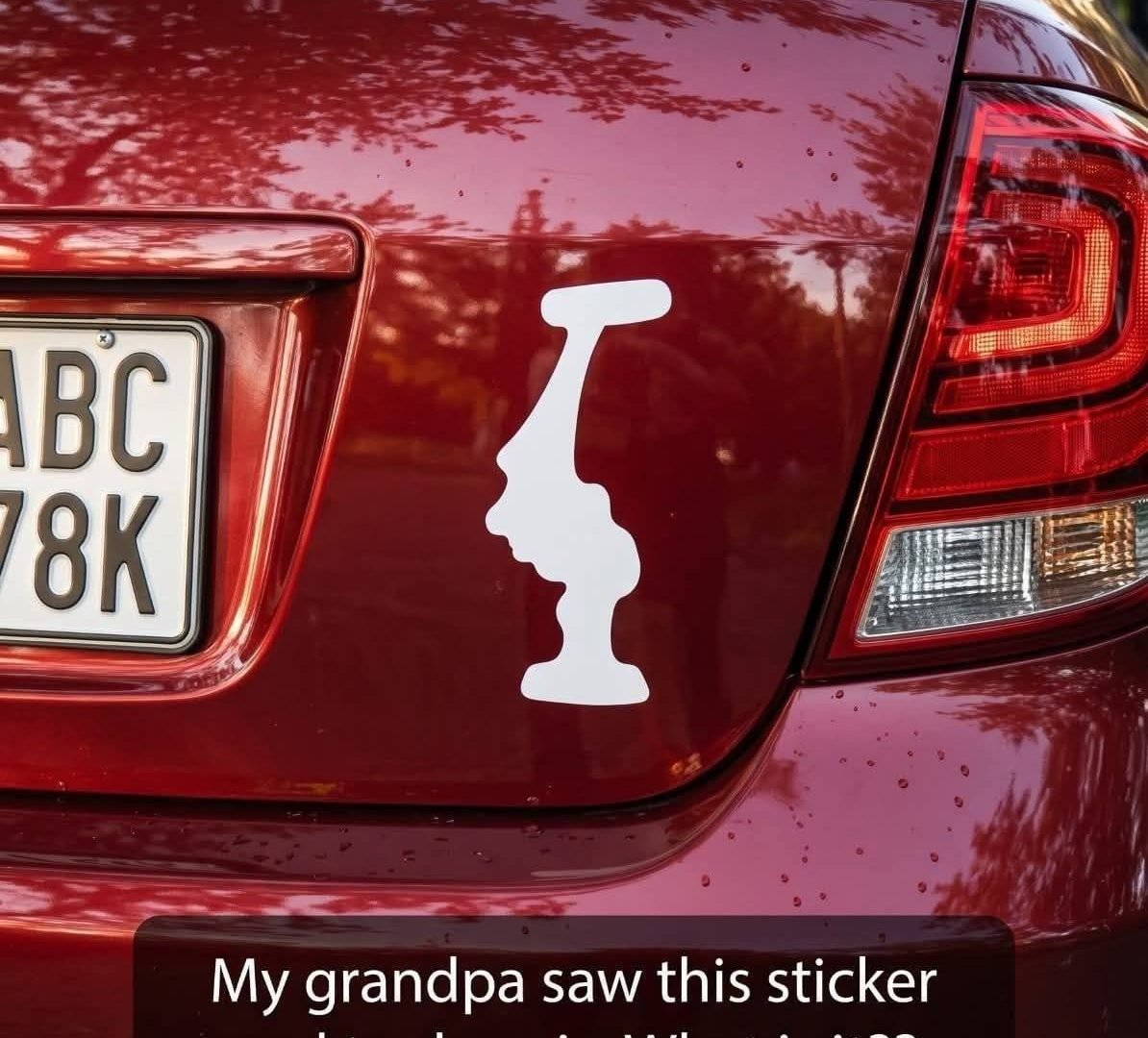
The silhouette on the back of the Ford F-150 is a highly accurate, to-scale outline of New Hampshire. To understand why it looks the way it does, you have to look at a map of the New England region.
Deconstructing the Shape
The Top: The rounded, almost bulbous top of the sticker represents the northernmost part of the state, often referred to as the Great North Woods. This region borders the Canadian province of Quebec and is characterized by vast, uninhabited forests and mountains.
The Left Side (West): The long, relatively straight, slightly wavy left edge of the silhouette is the western border of New Hampshire. This border is entirely defined by the Connecticut River, which separates New Hampshire from Vermont.
The Right Side (East): The eastern border is much shorter. It features a slight bulge and a jagged edge. This represents New Hampshire’s brief coastline on the Atlantic Ocean (only about 18 miles long) and the border with Maine.
The Bottom: The bottom of the silhouette is the southern border, which is shared with Massachusetts. It features a distinct inward curve where the state tapers down before widening slightly at the very bottom edge.
The “Bite” in the Middle: The inward curve on the right side of the silhouette is one of the most defining features of the New Hampshire shape. This reflects the way the state’s geography is carved out by the Merrimack River valley and the surrounding topography.
To someone looking at the sticker without the context of a map, it looks like an abstract, almost puzzle-piece-like shape. But once you see a map of the United States and locate New England, the outline of New Hampshire becomes instantly recognizable.
The Cultural Phenomenon: Why Do People Put States on Their Cars?
If you spend enough time on American highways, you will notice that the New Hampshire decal is not unique. It is part of a massive, decades-long trend of putting state silhouettes on vehicles.
A Declaration of Origin
The primary function of a state decal is to declare one’s origins. In a highly mobile society where people often move far from where they were born, these decals serve as a permanent geographical anchor. It is a way of saying, “This is where I belong,” or “This is where I am from.”
For people who have relocated for work, the military, or family, the state decal is a small piece of home that travels with them. It acts as a conversation starter. If you are a New Hampshire native living in Texas (as the license plate in the image suggests), seeing another vehicle with that specific white silhouette creates an instant, unspoken bond.
The “Live Free or Die” Identity
New Hampshire, in particular, has a very strong cultural identity. Its state motto, “Live Free or Die,” resonates deeply with its residents, many of whom pride themselves on the state’s low taxes, independent spirit, and rugged, mountainous landscape. Displaying the state outline is a subtle badge of honor that projects a sense of self-reliance and pride in New England heritage.
Popularity of the Trend
While people from all 50 states engage in this practice, some state outlines are vastly more popular than others. The most common are:
New Hampshire: As seen in the image, it has a highly distinct, recognizable shape.
Texas: The shape of Texas is iconic, massive, and instantly recognizable globally.
California: A long, wavy shape that is highly popular among car enthusiasts.
Florida: The distinct peninsula shape is a favorite for those with coastal pride.
Michigan: The “mitten” shape is instantly recognizable to anyone from the Midwest.
The New Hampshire decal, with its clean, crisp lines, is often favored by outdoorsmen, skiers, and those who appreciate the minimalist aesthetic of New England.
The Psychology of the Mystery: Why Do Older Observers Get Confused?
The grandpa in the image was completely stumped by the shape. Why do these minimalist decals sometimes confuse people?
Lack of Geographic Context
The biggest factor is context. When you see a state outline placed on a car in a completely different state, the brain struggles to place it. We are used to seeing state outlines color-coded on a map within the borders of the United States. When that outline is isolated on a tailgate, colored stark white against a dark truck, it becomes an abstract shape. Without the visual context of the surrounding states, the brain has to do a lot of heavy lifting to make the connection.
Generational Differences
There is also a generational component. The grandpa in the image likely grew up in an era where bumper stickers were primarily text-based, or featured full-color flags and logos. The modern trend of minimalist, solid-color silhouettes is a relatively recent aesthetic shift. For someone not accustomed to seeing their home state as a solid, unlabelled graphic, the sticker looks like an unusual, unidentifiable decal.
The Nature of Silhouettes
A silhouette forces the eye to trace the contour of the shape. If you are deeply familiar with a shape (like a Texan or a Floridian with their state), you see it instantly. If you are not, your brain tries to match the shape to something else. A person from the Midwest might look at the New Hampshire silhouette and see a distorted boot or a weirdly shaped bottle. The brain tries to find familiar patterns in the unfamiliar.
The Specifics of the New Hampshire Geography
To fully appreciate the sticker, it helps to understand what makes New Hampshire unique. The silhouette is not just an arbitrary shape; it represents a state of incredible geographical contrast.
Mount Washington: Within the northern half of the silhouette lies Mount Washington, the highest peak in the Northeastern United States. It is famous for having some of the worst weather in the world and is a mecca for hikers and climbers.
The White Mountains: The vast White Mountain National Forest dominates the central and northern portions of the state, attracting millions of tourists every fall for the stunning foliage.
The Seacoast: Despite being landlocked for most of its border, the small eastern edge of the state boasts a beautiful coastline with historic towns like Portsmouth.
The Lakes Region: The central area of the state is dotted with large, pristine lakes, including Lake Winnipesaukee, which is a popular summer destination.
When a New Hampshire native puts this sticker on their truck, they are not just displaying an arbitrary shape; they are carrying a piece of this rugged, beautiful landscape with them wherever they go.
How to Identify Similar Stickers
If you spot a similar shape on a car in the future, here is a quick guide to telling the most popular ones apart:
New Hampshire: As seen in the image, it looks like a tall, slightly irregular shape with a straight-ish left side, a rounded top, and a small, jagged right edge.
Vermont: Often confused with New Hampshire, Vermont’s shape is wider, more rectangular, and looks like a wedge cut out of a block.
Maine: Maine is massive and has a very distinct, tall shape that bulges out at the top and tapers down into a point at the bottom.
Massachusetts: A much wider, chunky shape that looks like a shoe or a crouching animal.