What Are the Metal Teeth on Kitchen Scissors For? Unlocking the Hidden Purpose of the Serrated Notch
This comprehensive guide explores the hidden world of kitchen shears. We will examine the anatomy of these essential tools, break down the many uses of the serrated teeth and the often-confused blade notch, explain how to use these features safely to avoid cuts and frustration, and discuss how to maintain your shears for a lifetime of reliable service.
The Anatomy of Kitchen Shears: More Than Just Scissors
To understand the purpose of the metal teeth, it is helpful to first look at the overall design of kitchen shears. They are not simply heavy-duty versions of standard office scissors. Every element of their design serves a specific culinary purpose.
The Blades: Serrated and Smooth
Most high-quality kitchen shears feature a combination of blade types. Typically, one blade is smooth and sharp, while the other is serrated or micro-serrated. This combination is a deliberate design choice that provides a “gripping” action. The serrated edge bites into slippery materials—like a tomato, raw chicken skin, or a fresh fish fillet—holding it securely in place while the smooth blade makes a clean, continuous cut. This prevents the food from sliding forward or slipping out of the blades, which is a common frustration with regular scissors and a significant safety concern.
The Pivot and the Handles
The pivot is the screw or rivet that holds the two halves of the shears together. It is the fulcrum that provides the leverage needed to cut through tough materials. The handles are designed for ergonomic comfort and control. Many kitchen shears also feature a spring-loaded mechanism that automatically opens the blades after each cut, reducing hand fatigue during repetitive tasks. Some models have a safety lock to keep the blades closed when not in use, which is a crucial feature for safe storage.
The Serrated Teeth and Notch: The “Third Blade”
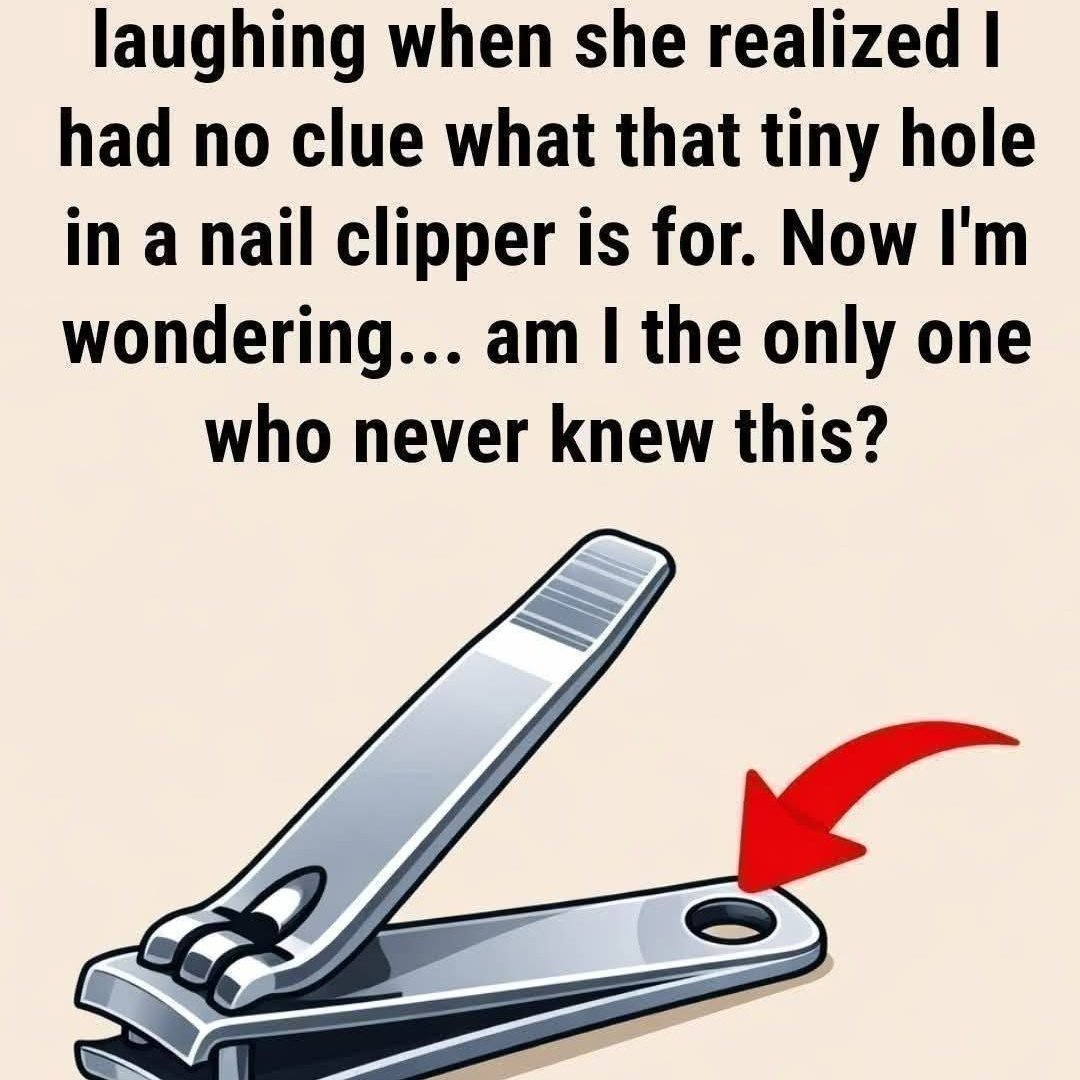
The most distinct feature of kitchen shears is the serrated notch or the row of metal teeth. This feature is found in various configurations. On some models, it is a distinct hole with jagged teeth located near the pivot or between the handles. On others, it is a semi-circular notch cut into the inner edge of one of the blades. Regardless of its specific location, this feature is designed to perform tasks that the cutting blades cannot. It is, in essence, a built-in third blade or a multi-purpose tool, often referred to as a “gripper,” “breaker,” or “nutcracker” feature.
The Hidden Superpowers of the Serrated Notch
The serrated teeth and notch are not decorative. They are functional tools designed to solve common kitchen problems. Here are the primary uses for this often-overlooked feature.
Gripping and Cracking Bones and Shells
This is perhaps the most common and important use of the serrated notch. When breaking down poultry, for example, the notch allows you to firmly grip the bone or joint right at the point you want to cut. The teeth bite into the bone or cartilage, preventing it from slipping while you apply pressure to crack it or cut through it with the main blades. This provides a level of control and safety that is difficult to achieve with a knife and a slippery cutting board.
Similarly, the notch acts as a built-in nutcracker. The serrated “jaws” can grip hard shells—like those of walnuts, pecans, or crab legs—and apply even pressure to crack them open without shattering the shell or sending pieces flying across the kitchen. This saves you from having to dig out a separate, single-purpose tool for a quick job.
Opening Bottles and Jars
One of the most practical, everyday uses for the serrated teeth is opening stubborn lids and caps. By placing the teeth around the cap of a bottle or jar and squeezing, you create a high-friction grip. The scissors provide additional leverage, allowing you to twist off the lid with far less effort than you could with your bare hands or a towel. This is particularly useful for small lids, like those on tonic water or certain condiments, where a traditional bottle opener might not fit.
Stripping Herbs and Stems
This is a lesser-known but highly useful function. Some kitchen shears have a narrower notch or a dedicated hole (often called an herb stripper) that is perfectly sized for stripping the leaves from woody herb stems. By pulling a stem of rosemary or thyme through the notch, the leaves are stripped off cleanly and efficiently, ready for cooking. This is a fast, mess-free alternative to picking leaves by hand.