Vertical Lines on Your Nails: Separating Fact from Fiction About Nail Health and Longevity
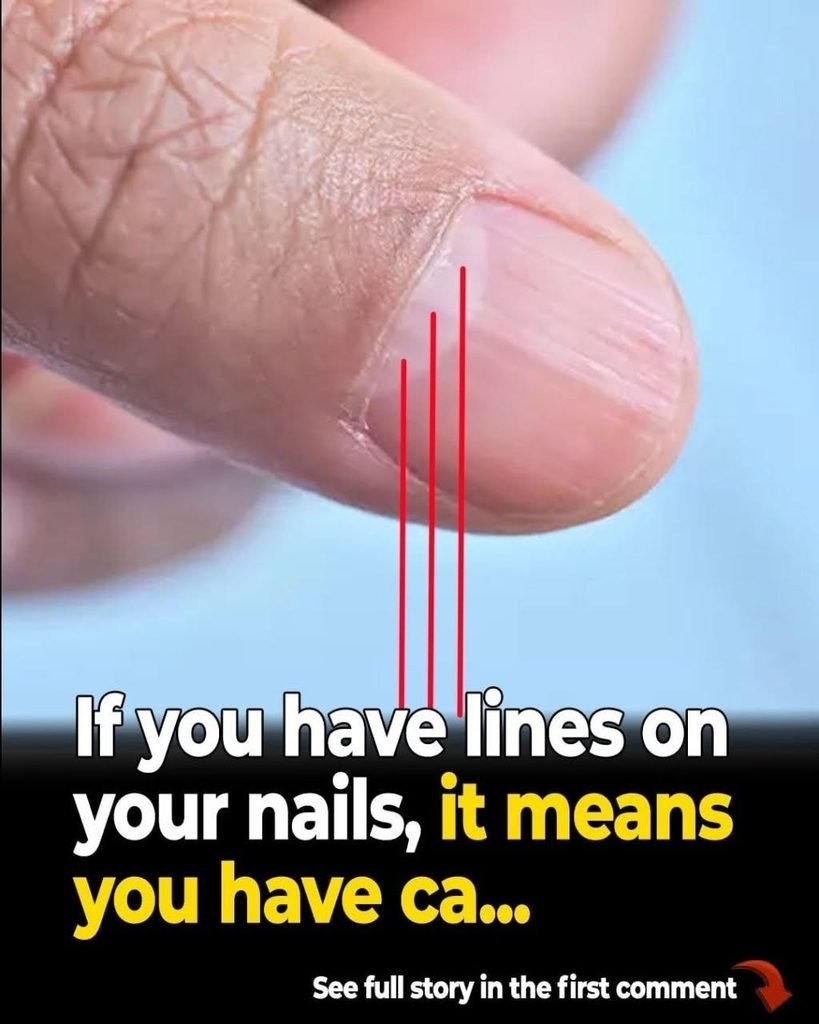
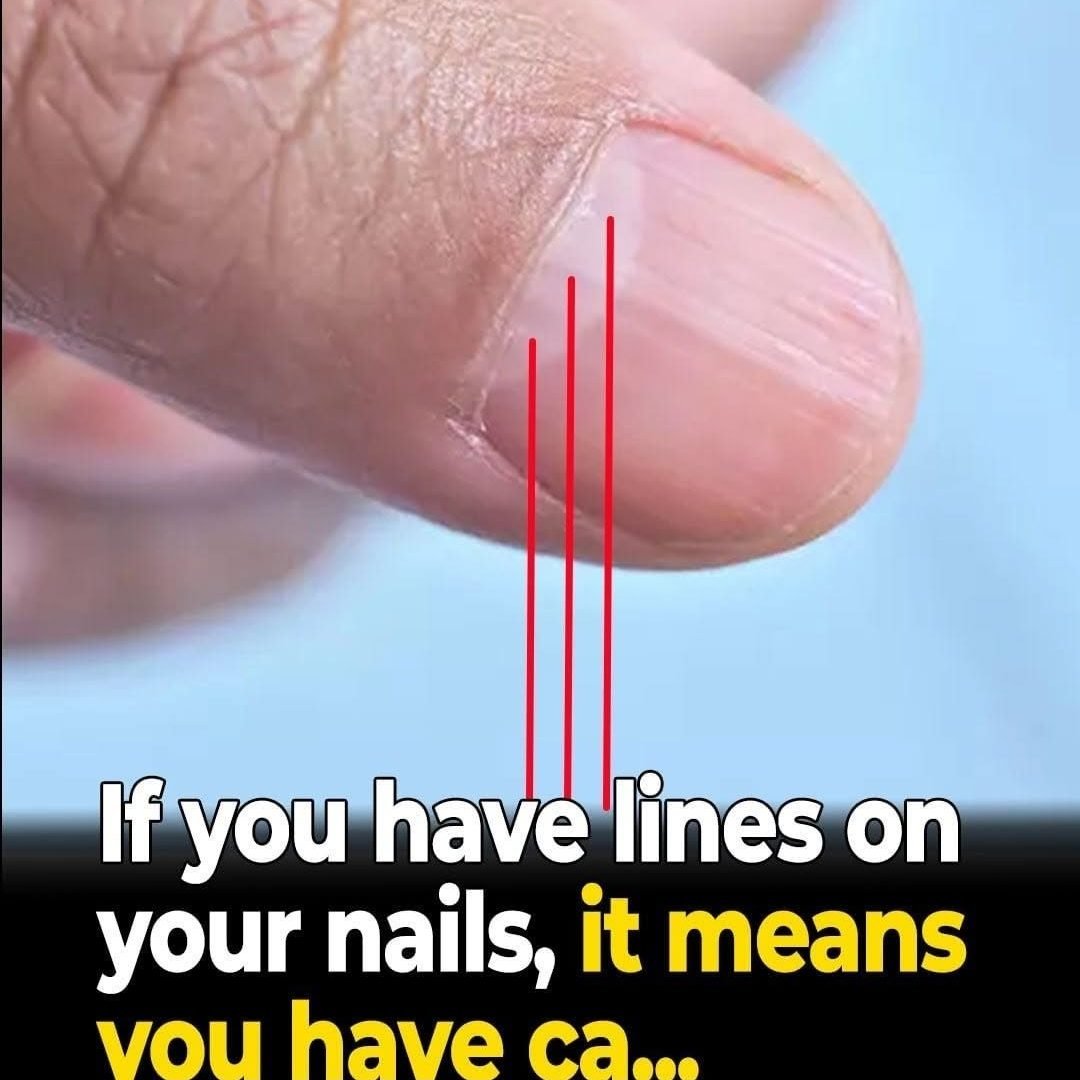
In the digital age, a single viral image can spark widespread anxiety. Recently, a social media post featuring a close-up of a fingernail with prominent vertical ridges and the headline “If you have lines on your nails, it means you have ca…” has caused a stir online. The implication, as the incomplete sentence suggests, is often cancer, or, as another version of the meme claims, a predictor of life expectancy.
When we look down at our hands and notice changes in our nails, it is natural to feel concerned. Our nails are not just cosmetic features; they are visible extensions of our internal biology, and they can sometimes provide clues about our overall health. However, the internet has a tendency to take a kernel of medical truth and blow it up into a terrifying, clickbait-driven myth.
The reality is much more reassuring. For the vast majority of people, vertical lines on the fingernails are a completely normal part of the aging process. They are not a sign of impending death, nor are they a direct indicator of cancer.
This comprehensive guide will explore the true nature of vertical nail ridges, distinguish them from other nail changes that do warrant medical attention, and provide evidence-based advice on how to care for your nails and maintain your overall health.
The Anatomy of a Nail and “Onychorrhexis”
To understand what those vertical lines are, it helps to understand how a nail grows. Fingernails are made of a tough, protective protein called keratin. The nail plate (the hard part we see) grows out from the nail matrix, a delicate area hidden beneath the cuticle at the base of the nail.
As we age, the natural process of cell turnover and keratin production changes. The most common cause of vertical ridges is a condition called onychorrhexis. In medical terms, onychorrhexis is the development of fine, longitudinal ridges or grooves that run from the cuticle to the tip of the nail.
Think of it like this: just as your skin develops fine lines and wrinkles as collagen production slows down, your nails develop vertical ridges as the keratin fibers become more brittle and less uniform. These ridges can become more pronounced in dry conditions, after repeated wetting and drying of the hands, or due to genetic factors.
Debunking the Viral Claim: Do Nail Lines Predict Lifespan or Cancer?
The viral image claiming that lines on your nails mean you have a disease (or predict how long you will live) is a dangerous piece of medical misinformation.
The Truth About Longevity
There is absolutely no scientific evidence to suggest that the presence or severity of vertical nail ridges can predict your life expectancy. While a physician might look at a person’s overall health, including their skin and nails, to assess their well-being, they do not use vertical ridges as a biomarker for how long someone will live.
The Cancer Myth
The incomplete word “ca…” is heavily implied to mean cancer. While certain specific nail changes can be associated with certain cancers (such as dark streaks indicating melanoma, which is a skin cancer, or specific paraneoplastic syndromes), simple vertical ridges are not a sign of cancer.
It is crucial to understand that the internet is full of “fear-mongering” tactics designed to drive clicks. When a post leaves a word unfinished and directs you to “the first comment” for the answer, it is almost always a marketing strategy, not a medical diagnosis.
Other Causes of Vertical Nail Lines
While aging is the most common culprit, several other factors can cause or exacerbate vertical ridges.
1. Dryness and Dehydration
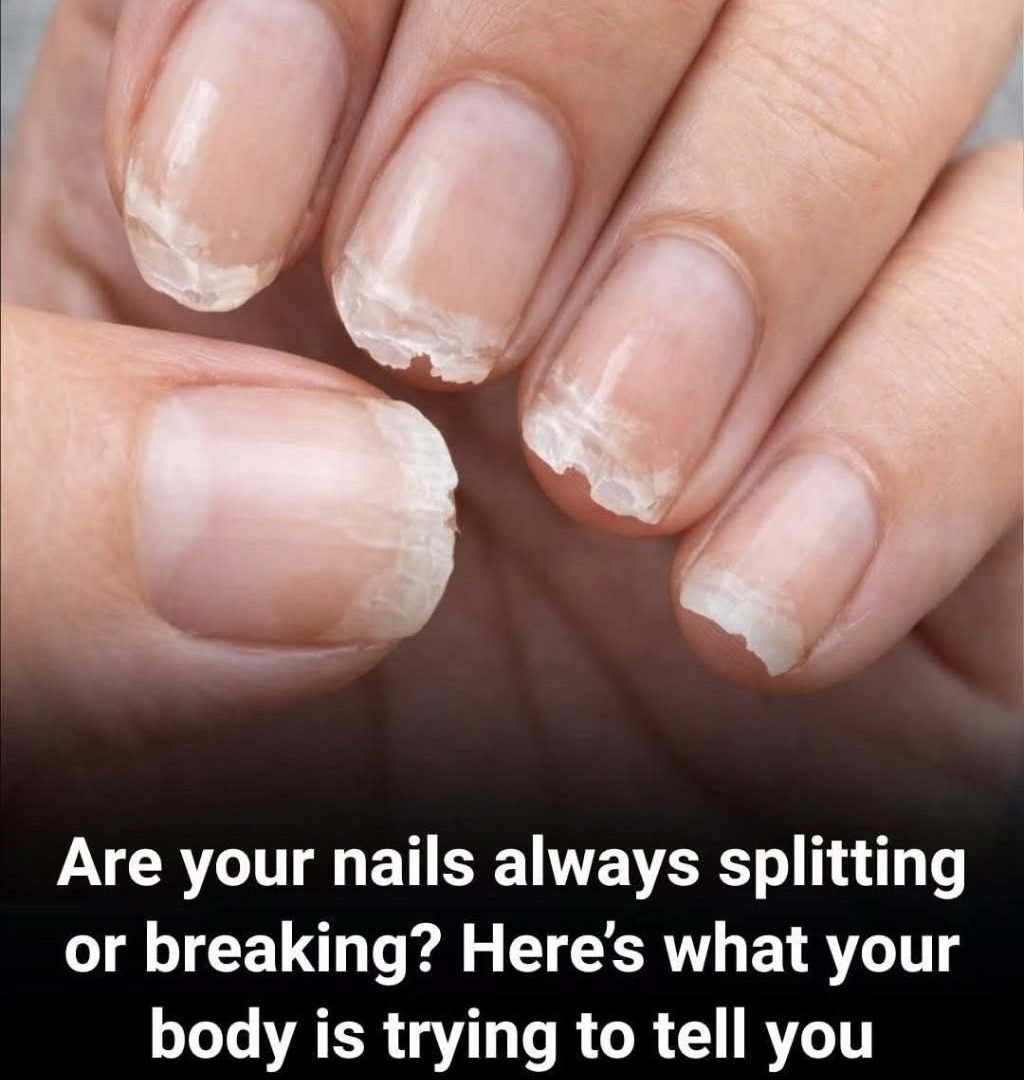
Nails need moisture. Frequent handwashing, exposure to harsh chemicals (like cleaning products or acetone), and cold, dry weather can cause the nail plate to dry out, making ridges more visible and the nails more brittle.
2. Genetics
If your parents or grandparents had ridged nails, you are more likely to develop them as well. Your genetic makeup dictates the structure and growth pattern of your keratin fibers.
3. Trauma or Injury
Repeated trauma to the nail matrix, such as tapping your nails on a desk, typing heavily, or an injury from a door closing on your finger, can cause the nail to grow out with ridges.
4. Nutritional Deficiencies
While less common as the sole cause of vertical ridges, severe nutritional deficiencies—particularly in iron, zinc, and B vitamins (like biotin)—can affect nail health. However, these usually present with other symptoms like fatigue, pale skin, or hair loss.
5. Underlying Medical Conditions
In rare cases, vertical ridges can be associated with:
Rheumatoid Arthritis: Can cause inflammation in the nail matrix.
Thyroid Disorders: Both hyperthyroidism and hypothyroidism can affect nail growth.
Skin Conditions: Psoriasis or eczema affecting the nail matrix can lead to ridging.
Not All Nail Changes Are Harmless: The Red Flags
While vertical ridges are usually benign, other types of nail changes should never be ignored. Here is a breakdown of the nail signs that actually warrant a trip to the doctor.
1. Horizontal Lines (Beau’s Lines)
Unlike vertical ridges, horizontal lines that run across the nail (indentations that look like a deep groove) are often a red flag. They occur when nail growth is temporarily halted by severe illness, major stress, chemotherapy, or a high fever. As the nail grows out, the line moves up the nail bed.
2. Dark, Vertical Streaks
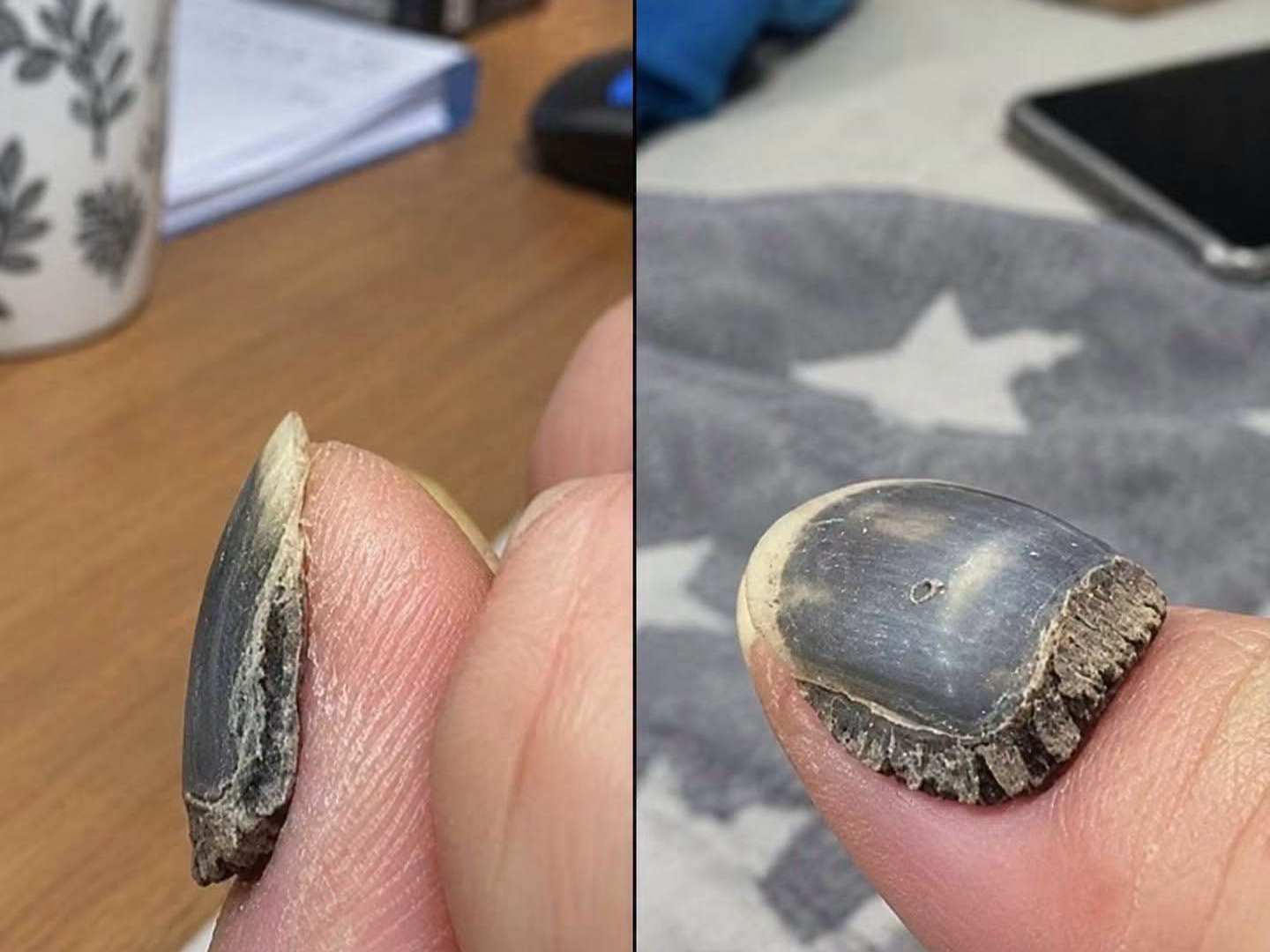
If you notice a dark brown or black stripe running down your nail (especially if it wasn’t there before), it is vital to see a dermatologist immediately. While it can be a benign mole or a reaction to medication, it can also be a sign of subungual melanoma, a rare but serious form of skin cancer.
3. Pitting
If your nails look like they have small dents or holes, resembling a thimble, this is called pitting. It is heavily associated with psoriasis, but can also occur with eczema or alopecia areata.
4. Clubbing
Clubbing is when the tips of the fingers or toes enlarge and the nails curve downward. It is often associated with chronic lung disease, heart disease, or inflammatory bowel disease.
5. White Spots (Leukonychia)
White spots or lines on the nails are very common. They are usually caused by minor trauma to the nail matrix (like bumping your finger). Unless they cover the entire nail or are accompanied by other symptoms, they are usually harmless.
How to Care for Your Nails
If your vertical ridges bother you cosmetically, or if you want to strengthen your nails generally, there are several practical steps you can take.
1. Moisturize Frequently
The most effective way to improve the appearance of ridges is to hydrate the nails. Apply a rich hand cream or a dedicated cuticle oil (containing jojoba oil or lanolin) directly to the nails and cuticles multiple times a day, especially after washing your hands or bathing.
2. Protect Your Hands
Wear rubber gloves when doing dishes or cleaning with harsh chemicals. This prevents water and chemicals from stripping the natural oils from your nails.
3. Use a Nail Buffer
If the ridges are minor and you want a smooth appearance, you can use a fine-grit nail buffer to gently smooth the surface of the nail. Be careful not to over-buffer, as this can thin the nail plate.
4. Maintain a Balanced Diet
Ensure you are getting enough protein, iron, zinc, and B vitamins in your diet. Foods like lean meats, beans, leafy greens, nuts, and eggs are excellent for nail health.
5. Keep Nails Short
Shorter nails are less likely to catch on things and break, and the ridges are often less visible on shorter nails.
When to See a Doctor
You should schedule an appointment with a healthcare professional or a dermatologist if you experience any of the following:
Sudden changes in your nails, such as the rapid onset of deep ridges.
The appearance of dark streaks, bands, or spots.
The separation of the nail from the nail bed.
Nail changes accompanied by pain, swelling, or redness.
Deep horizontal grooves (Beau’s lines).
Nail changes that occur alongside other systemic symptoms like unexplained fatigue, weight loss, or joint pain.
Frequently Asked Questions
Q: Do vertical lines on nails mean I have cancer? No. Vertical ridges are overwhelmingly caused by aging, genetics, or dryness. They are not a sign of cancer. If you have a dark streak or spot on your nail, that requires medical evaluation, but simple vertical ridges do not.
Q: Can nail ridges predict how long I will live? No. This is a myth. While nail health can sometimes reflect overall health, vertical ridges are a normal part of aging and are not a predictor of life expectancy.
Q: What causes vertical ridges on fingernails? The most common cause is aging. Other causes include genetics, dry skin, frequent wetting and drying of the hands, and trauma to the nail matrix.
Q: Can a vitamin deficiency cause ridges on nails? Yes, severe deficiencies in iron, zinc, or B vitamins can affect nail growth and cause ridges. However, this is less common than age-related changes and usually accompanied by other symptoms.
Q: How do I get rid of ridges on my nails? You cannot permanently get rid of ridges caused by aging, but you can minimize their appearance. Moisturize your nails daily with cuticle oil, wear gloves when cleaning, and use a gentle nail buffer. The ridge will grow out with the nail.
Q: When should I worry about lines on my nails? You should see a doctor if the lines are horizontal (not vertical), if there is a dark streak, if the nail is separating from the nail bed, or if the changes are accompanied by pain or other health issues.
Conclusion
The viral image claiming that vertical lines on your nails indicate a serious illness or predict your lifespan is a classic example of medical clickbait. While it is always good to be vigilant about your health, it is important to rely on scientific evidence rather than alarming social media trends.
For most people, those vertical ridges are simply the “wrinkles” of the nail—a natural, harmless sign that you have lived and grown. By keeping your hands moisturized, eating a balanced diet, and paying attention to the real red flags (like dark streaks or horizontal grooves), you can ensure your nails stay healthy and your peace of mind remains intact. If you are ever truly concerned about your nails, a quick visit to a dermatologist is the best way to get accurate answers and personalized advice.