Understanding the Parasite Risks Associated with Raw Vegetables
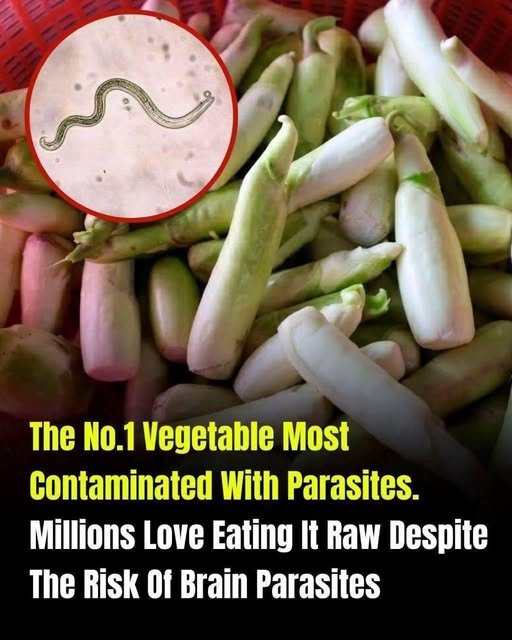
Recent social media posts have raised concerns about the safety of certain raw vegetables, particularly green onions (also known as scallions), claiming they are the “most contaminated with parasites.” While it is important to be aware of food safety, it is equally important to understand the context behind such claims.
The Concern Behind the Claims
The primary concern with raw vegetables, including green onions, is the potential presence of parasites such as Toxoplasma gondii or Cryptosporidium, which can be transmitted through contaminated soil or water. Green onions are often grown close to the ground, where they can come into contact with soil, animals, or contaminated irrigation water. In some regions, they may also be washed with water that is not entirely safe.
However, it is important to note that the risk of parasitic infection from produce in the United States is generally low, though not zero. The FDA has reported cases of foodborne illness linked to green onions, but these are typically associated with specific outbreaks rather than being a universal characteristic of the vegetable itself.
Why Washing Is Not Always Enough
The social media post correctly states that washing does not always remove parasites. This is because some parasites can adhere tightly to the surface of the vegetable or reside in the layers of the plant where washing cannot reach. For this reason, the safest approach is to cook vegetables thoroughly when possible.
While cooking is the most reliable way to eliminate parasites, many people enjoy raw green onions for their crisp texture and mild flavor. If you choose to eat them raw, there are steps you can take to reduce the risk:
Rinse Thoroughly: Wash the green onions under running water, separating the layers to remove any dirt or debris.
Peel the Outer Layer: Remove the outermost layer of the stalk, which is more likely to harbor contaminants.
Soak in Vinegar: Some food safety experts suggest soaking produce in a diluted vinegar solution to help reduce bacteria and parasites.
Purchase from Reputable Sources: Buying from trusted suppliers who follow strict food safety protocols can reduce the risk of contamination.
A Balanced Perspective
While the social media post uses alarming language, it is important to keep the risk in perspective. For most healthy individuals, the occasional consumption of raw vegetables that have been properly washed is unlikely to cause serious illness. However, individuals with weakened immune systems, pregnant women, and young children may be more susceptible to infections and should take extra precautions.
The concern about “brain parasites” is a specific reference to Toxoplasma gondii, which can cause toxoplasmosis. While this parasite can affect the brain, it is primarily associated with undercooked meat and contact with cat feces, not exclusively with raw vegetables.
Conclusion
Being informed about food safety is essential for maintaining good health. While there are legitimate concerns about parasites in raw produce, the risk can be managed through proper handling, washing, and cooking. If you are concerned about the safety of your produce, cooking it is the most reliable way to ensure it is safe to eat.