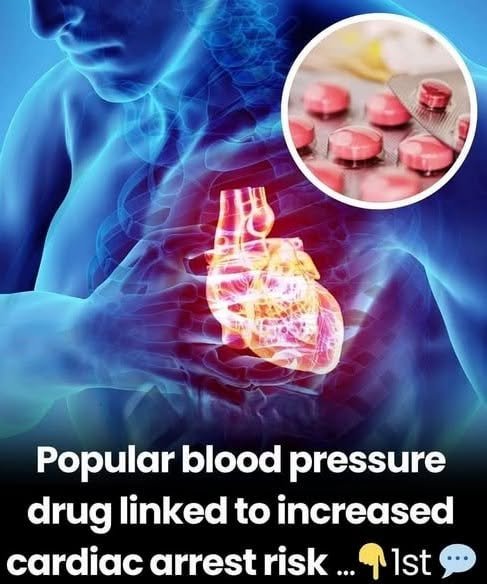
Atorvastatin and Potential Dangers: Understanding the Real Risks Behind the Warnings
Atorvastatin is a widely prescribed statin medication used to lower cholesterol and reduce the risk of cardiovascular events such as heart attacks and strokes. The image above, which pairs the medication with warnings about heart problems and muscle pain, raises a common question: are the potential dangers real? The short answer is that atorvastatin does carry risks, but for most people, the cardiovascular benefits significantly outweigh them. Understanding which side effects are common, which are rare, and how to manage them is essential for safe use.
The Benefits Outweigh the Risks for Most Patients
Before examining the potential dangers, it is important to understand why atorvastatin is prescribed. Statins are among the most studied medications in modern medicine, with robust evidence showing they reduce the risk of heart attacks and strokes. The muscle symptoms often attributed to statins are a major concern for patients, but research suggests that most reported muscle pain is not actually caused by the drug itself. A large analysis found that more than 90% of muscle symptom reports in patients taking statins were not due to the medication, and the small risks of muscle symptoms are much lower than the known cardiovascular benefits .
Common Side Effects
Most people tolerate atorvastatin well. The most frequently reported side effect is muscle pain, which typically appears within a few days of starting the medication and resolves if the drug is stopped . Other common side effects are generally mild and include digestive issues such as constipation, gas, indigestion, nausea, and diarrhea . Some people may also experience headache, dizziness, or mild increases in blood sugar levels .
Serious but Rare Risks
The more serious risks associated with atorvastatin are rare but warrant awareness. Muscle toxicity, including a condition called rhabdomyolysis, is the most significant concern. This involves the breakdown of muscle tissue, which can lead to kidney damage. The risk is increased when atorvastatin is taken with certain other medications, including cyclosporine, gemfibrozil, and strong antibiotics like clarithromycin . Liver effects can also occur, with persistent elevations in liver enzymes reported in approximately 0.7% of patients in clinical trials. Rare cases of liver failure have been reported .
Other rare risks include immune-mediated necrotizing myopathy (an autoimmune muscle condition) and a small increased risk of hemorrhagic stroke in patients with a recent history of stroke who are taking the 80 mg dose .
Important Drug Interactions
Atorvastatin is metabolized by the liver, and certain medications can increase its levels in the blood, raising the risk of muscle damage. These include:
Cyclosporine and gemfibrozil, which should not be used with atorvastatin .
Certain antibiotics and antifungals, such as clarithromycin and itraconazole .
Some antiviral medications used for HIV and hepatitis C .
Patients should always inform their doctor and pharmacist of all medications and supplements they are taking.
What to Do If You Experience Symptoms
If you are taking atorvastatin and experience unexplained muscle pain, weakness, or tenderness—especially if accompanied by fever or dark urine—you should contact your healthcare provider promptly . Do not stop taking the medication abruptly without medical advice, as this can increase cardiovascular risk. Your doctor may check your creatine kinase (CK) levels and adjust your treatment plan if needed.
Frequently Asked Questions
Q: Is atorvastatin dangerous? For most people, atorvastatin is safe and effective when used as prescribed. Serious side effects are rare, and the benefits for reducing cardiovascular risk are well-established.
Q: What is the most common side effect? Muscle pain is the most commonly reported side effect, though research suggests most of these symptoms are not actually caused by the statin .
Q: Can I take atorvastatin with other medications? Yes, but some medications can interact with it. Always provide a complete list of your medications to your doctor and pharmacist so they can check for potential interactions.
Q: What are the signs of a serious muscle problem? Seek medical help if you experience muscle pain, weakness, or tenderness that is unusual or unexplained, especially if accompanied by fever, tiredness, or dark urine .
Conclusion
Atorvastatin is a valuable medication for managing cholesterol and reducing cardiovascular risk. While the internet may highlight its potential dangers, the reality is that serious side effects are rare for most users. By understanding the common and serious risks, being aware of drug interactions, and maintaining open communication with a healthcare provider, patients can safely benefit from this medication. If you have concerns about atorvastatin or experience any unusual symptoms, consult your doctor or pharmacist for personalized guidance.