This Natural and Effective Remedy for Relieving Constipation: The Number 1 Fruit for Quick Bowel Movements
The Anatomy of a Sluggish Gut: Why Constipation Happens
To understand why a piece of fruit can be so powerful, you must first understand the mechanics of the digestive tract. When you eat, food travels from the stomach to the small intestine, where nutrients are absorbed. What remains—a liquid mixture of undigested food, water, and bacteria—moves into the large intestine (the colon).
The Colon’s Primary Job
The colon’s main function is to absorb water and electrolytes from this liquid waste, transforming it into a solid stool. The colon then uses wave-like muscle contractions (peristalsis) to push the stool toward the rectum for elimination.
The Three Pillars of Constipation
Constipation occurs when this process slows down or gets blocked. There are three primary culprits:
Dehydration: If you don’t drink enough water, the colon absorbs too much water from the waste, leaving the stool hard, dry, and difficult to pass.
Low Fiber: Fiber adds bulk to the stool and helps it retain water. Without enough fiber, the stool becomes small and compact.
Slow Motility: The muscular contractions of the colon can become sluggish due to a sedentary lifestyle, certain medications, stress, or underlying medical conditions.
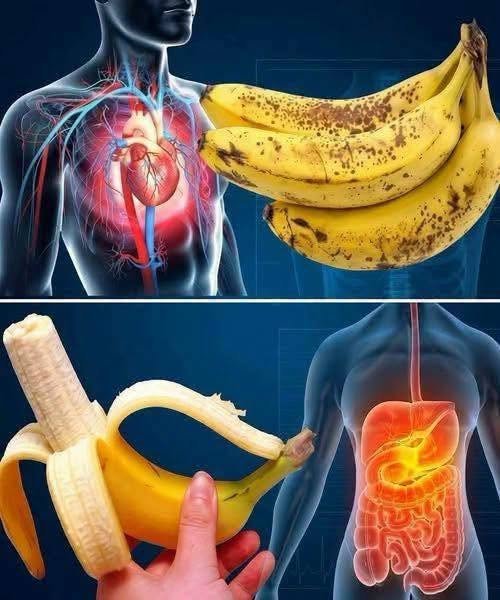
When these factors combine, the stool sits in the colon for too long, creating the glowing, painful pressure seen in the image.
The Number 1 Fruit Revealed: The Humble Prune
According to gastroenterologists and decades of clinical research, the number one fruit for relieving constipation and promoting quick bowel movements is the Prune (dried plum).
While it may not be the most glamorous fruit, the prune is a veritable powerhouse of gut-healing properties. A landmark 2011 study published in the Alimentary Pharmacology and Therapeutics journal compared prunes to psyllium (a common fiber supplement) and found that prunes were actually more effective at increasing stool frequency and improving stool consistency.
Why Are Prunes So Effective?
The magic of the prune lies in its unique chemical composition. Unlike other high-fiber fruits, prunes contain a triple threat of constipation-fighting compounds:
High Soluble and Insoluble Fiber: A single serving of prunes (about 4 to 5 prunes) contains roughly 3 grams of fiber. The soluble fiber forms a gel that softens the stool, while the insoluble fiber adds bulk to stimulate the colon.
Sorbitol: This is the secret weapon. Prunes are naturally rich in sorbitol, a type of sugar alcohol that the body digests very slowly. When sorbitol reaches the large intestine, it acts as an osmotic laxative. It draws massive amounts of water from the surrounding tissues into the bowel, softening the hardened stool and creating a flushing effect.
Neochlorogenic Acid: This is a specific polyphenol found in prunes that has been shown to stimulate the muscular contractions of the colon, speeding up the transit time of waste.
The Science of Quick Relief: How Fast Do Prunes Work?
The viral post promises “quick bowel movements.” How quickly can you actually expect results after eating prunes?
The Timeline
For most people, eating a serving of prunes (or drinking prune juice) on an empty stomach will trigger a bowel movement within 30 minutes to 2 hours. Because the sorbitol is an osmotic agent, it begins pulling water into the intestines relatively quickly.
Prunes vs. Prune Juice
While whole prunes are excellent because they contain the beneficial fiber, prune juice is often the fastest way to get relief. Because the fiber has been broken down, the liquid sorbitol is absorbed more rapidly. A cup of warm prune juice is a classic, highly effective remedy for acute constipation.
The Exact Protocol: How to Consume Prunes for Maximum Effect
To achieve the rapid, flushing effect promised by gastroenterologists, you must consume them correctly.
The “Morning Flush” Protocol
The Dose: Eat 4 to 5 whole prunes (or drink 1 cup of 100% pure prune juice). Do not overdo it, as eating too many can cause severe gas, bloating, and diarrhea.
The Timing: Consume them first thing in the morning, on a completely empty stomach.
The Hydration: Drink a large glass of warm water immediately after eating the prunes. The warm water acts as a catalyst, helping the sorbitol pull moisture into the colon and stimulating the gastrocolic reflex (the body’s natural signal to empty the bowels after eating or drinking).
The Warmth: If you are drinking prune juice, gently warm it up. Warm liquids are significantly more effective at stimulating peristalsis than cold liquids.