These Are the First Symptoms of Vitiligo: Understanding the White Spots on Your Skin
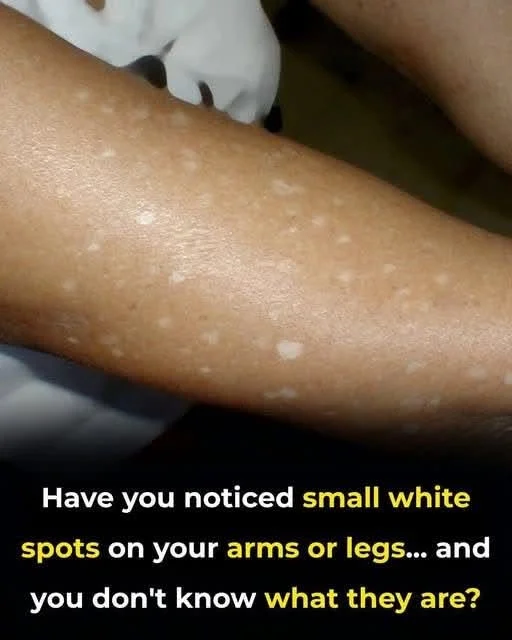
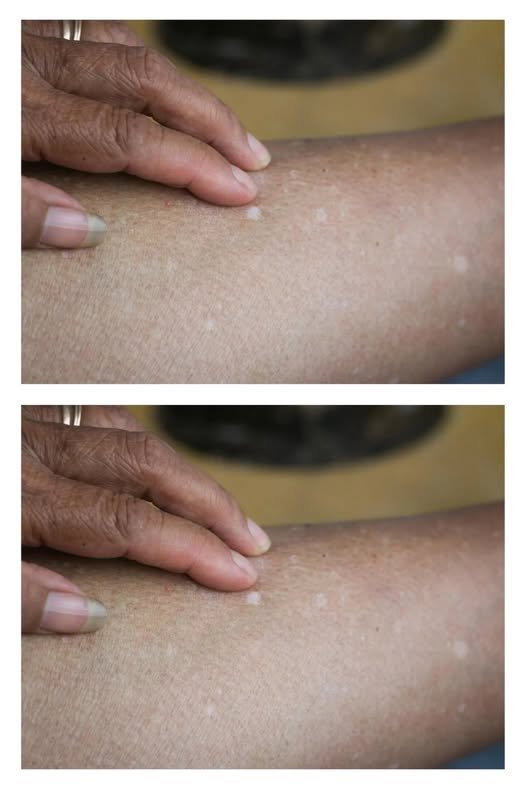
For millions of people around the world, this image is a mirror reflecting a deeply personal and often misunderstood journey. The condition depicted is Vitiligo, a chronic, autoimmune disorder that causes the loss of skin pigment. It is a condition that affects approximately 1% to 2% of the global population, striking people of all ages, genders, and ethnicities. While it is not physically painful or contagious, the visual manifestations of Vitiligo can be profound, affecting a person’s self-esteem, mental health, and overall quality of life.
Vitiligo is often called a “silent” condition because its progression is unpredictable. It can remain dormant for years, confined to a tiny patch, or it can spread rapidly across the body in a matter of months. The early signs—those initial white spots—are the body’s first whisper that the immune system has turned against itself.
This comprehensive guide is dedicated to decoding the early symptoms of Vitiligo. We will explore the intricate biology of skin pigmentation, detail the exact visual and clinical signs that mark the onset of the condition, differentiate Vitiligo from other causes of white spots, examine the autoimmune and environmental triggers, and provide a complete roadmap for diagnosis, treatment, and living well with this condition.
The Biology of Pigmentation: Why Does Our Skin Have Color?
To understand what goes wrong in Vitiligo, you must first understand how normal skin pigmentation works. The color of our skin, hair, and eyes is determined by a complex pigment called melanin.
The Melanocyte Factory
Melanin is produced by specialized cells located in the basal layer of the epidermis (the top layer of the skin) called melanocytes. These cells act as tiny factories, synthesizing melanin and packaging it into organelles called melanosomes. These melanosomes are then transferred to surrounding skin cells (keratinocytes), where they cluster around the nucleus and protect the DNA from damage caused by ultraviolet (UV) radiation from the sun.
The amount and type of melanin produced—determined by our genetics—dictate our skin color. People with darker skin have melanocytes that produce more melanin and larger melanosomes, while those with lighter skin produce less.