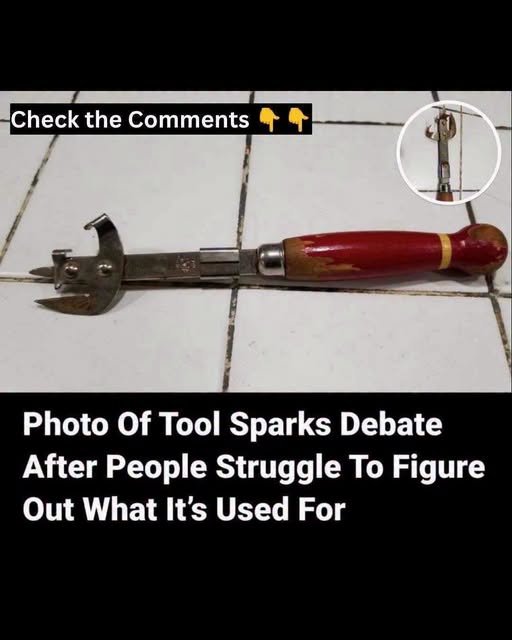
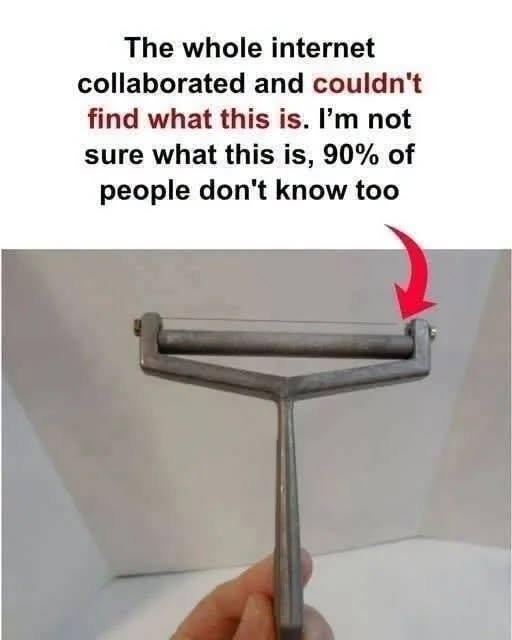
The Vintage Kitchen Tool That Has Everyone Guessing: Forgotten Gadgets from Old-Fashioned Kitchens
Broader Lessons from Old-Fashioned Kitchens
The forgotten tools point to larger truths about kitchen design and cooking culture. Earlier kitchens prioritized function, longevity, and task-specific efficiency. Modern kitchens often prioritize speed, minimalism, and multi-functionality. Neither approach is inherently superior, yet the older tools remind us that some problems are still best solved by simple, well-engineered mechanical means. They also illustrate how rapidly practical knowledge can disappear when the surrounding technology and habits change.
Keeping the Conversation Alive
Viral posts that ask “What is this?” perform a quiet service. They prompt older cooks to share stories and techniques, and they give younger cooks a window into a different way of working with food. The next time such a post appears, the real value lies not in winning the guessing game but in recovering a piece of kitchen literacy that once was commonplace.
Conclusion
The vintage kitchen tool that leaves so many people guessing is rarely a single object. It is any of a dozen specialized gadgets—rotary beaters, food mills, pie birds, cherry pitters, pastry wheels, and their kin—that once made from-scratch cooking more manageable. These tools were born of necessity, refined by use, and largely set aside when electricity and convenience foods altered daily practice. Recognizing them restores both practical options and historical understanding. In an age of complex appliances, the quiet ingenuity of a well-designed hand tool still has something to teach. The next time an aunt or a social-media post challenges you to identify one, you will not only know the name—you will understand why it mattered.
Frequently Asked Questions
1. What is the most commonly misunderstood vintage kitchen tool? The hand-cranked rotary egg beater and the Mouli-style food mill are among the most frequent subjects of “what is this?” posts.
2. Do any of these old tools still work better than modern equivalents? Yes. Many cooks prefer a food mill for certain purees and a sturdy cherry pitter during fruit season. Rotary beaters remain excellent for small batches.
3. Why did so many specialized tools disappear? Electrification, the rise of multi-function appliances, convenience foods, and changing household cooking patterns reduced the need for single-purpose manual devices.
4. Are these tools valuable to collectors? Some rare or pristine examples have collector interest, but most common tools remain affordable and are valued more for use than investment.
5. Can I still buy new versions of these vintage designs? Yes. Food mills, cherry pitters, rotary beaters, and pie birds are still manufactured, often with only minor updates to the original designs.
6. How can I learn to use an unfamiliar vintage tool safely? Start with simple tasks, consult period cookbooks or reliable online demonstrations, and prioritize tools in good mechanical condition.
7. Were these tools only used in rural or farm kitchens? No. While farm households relied on them heavily, many appeared in urban and suburban kitchens as well before electric alternatives became universal.
8. Is there educational value in identifying these objects? Yes. Each tool encodes practical knowledge about ingredients, technique, and the physical demands of earlier cooking methods that remain relevant today.