The Plantar Fasciitis Trigger Point: What That Sharp Heel Pain Really Means and How to Find Relief
How to Release the Trigger Point and Find Relief
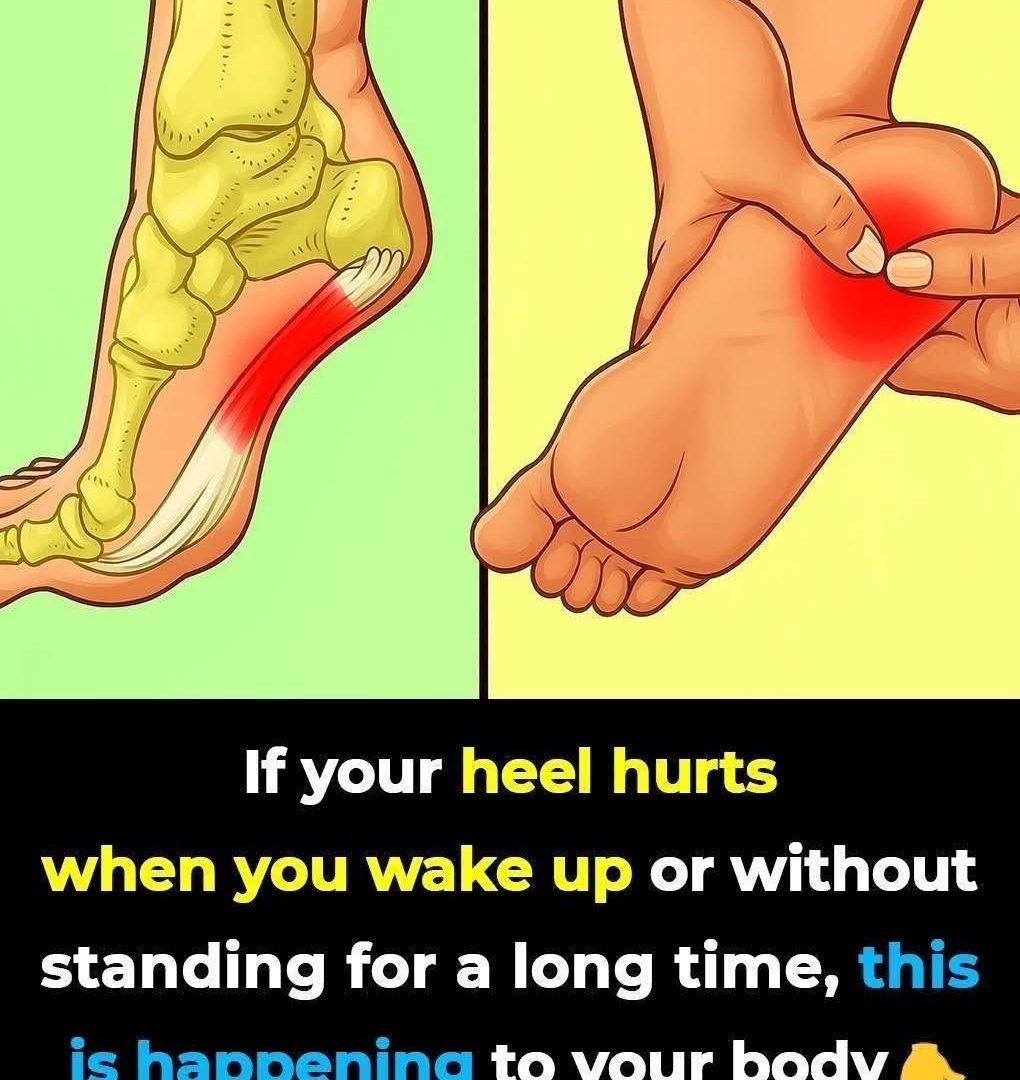
If you are experiencing the pain shown in the illustration, you can target that specific trigger point at home to find relief.
1. Manual Trigger Point Release (The Finger Method)
As shown in the image, you can use your thumb to apply pressure.
Sit down and cross the affected foot over your opposite knee.
Locate the tender spot in your arch (the red circle in the illustration).
Use your thumb to press firmly into the trigger point. Hold the pressure for 30 to 60 seconds. You may feel a dull ache or a slight referral of pain. Breathe deeply and wait for the muscle to release.
Do not press so hard that it is unbearable. It should be a “good pain.”
2. The Frozen Water Bottle Roll
This is perhaps the most effective home remedy, combining massage with cold therapy.
Freeze a bottle of water.
While sitting, place the frozen bottle under your foot.
Roll it back and forth from your heel to the ball of your foot for 10 to 15 minutes.
The rolling motion breaks up the tight fascia and stretches it, while the cold temperature reduces the inflammation in the trigger point.
3. The Tennis Ball or Golf Ball Roll
For a deeper, more targeted massage, use a firm tennis ball or a golf ball. Roll the arch of your foot over the ball, pausing on the tender spots to apply sustained pressure.
Essential Stretches for Prevention
Releasing the trigger point provides temporary relief, but you must address the root cause.
The Calf Stretch
Face a wall and place your hands on it. Step your affected leg back, keeping the knee straight and the heel flat on the floor. Lean forward until you feel a deep stretch in the calf. Hold for 30 seconds. Repeat 3 times.
The Plantar Fascia Stretch
Sit in a chair and cross the affected foot over the opposite knee. Grab your toes and gently pull them back toward your shin until you feel a stretch in the arch of your foot. Hold for 30 seconds. Repeat 3 times.
The Role of Proper Footwear and Orthotics
You cannot stretch your way out of plantar fasciitis if you continue to wear unsupportive shoes.
Avoid flat shoes: Flip-flops, ballet flats, and old, worn-out sneakers offer zero support.
Invest in good shoes: Look for shoes with a firm heel counter, good arch support, and ample cushioning in the heel and forefoot.
Use Orthotics: Over-the-counter arch supports or heel cups can provide immediate relief. If the pain is severe, a doctor may prescribe custom orthotics to correct your foot mechanics.
When to See a Doctor
While most cases of plantar fasciitis can be resolved with home care, you should seek medical attention if:
The pain persists for more than a few weeks despite rest and stretching.
The pain is so severe that you cannot bear weight on the foot.
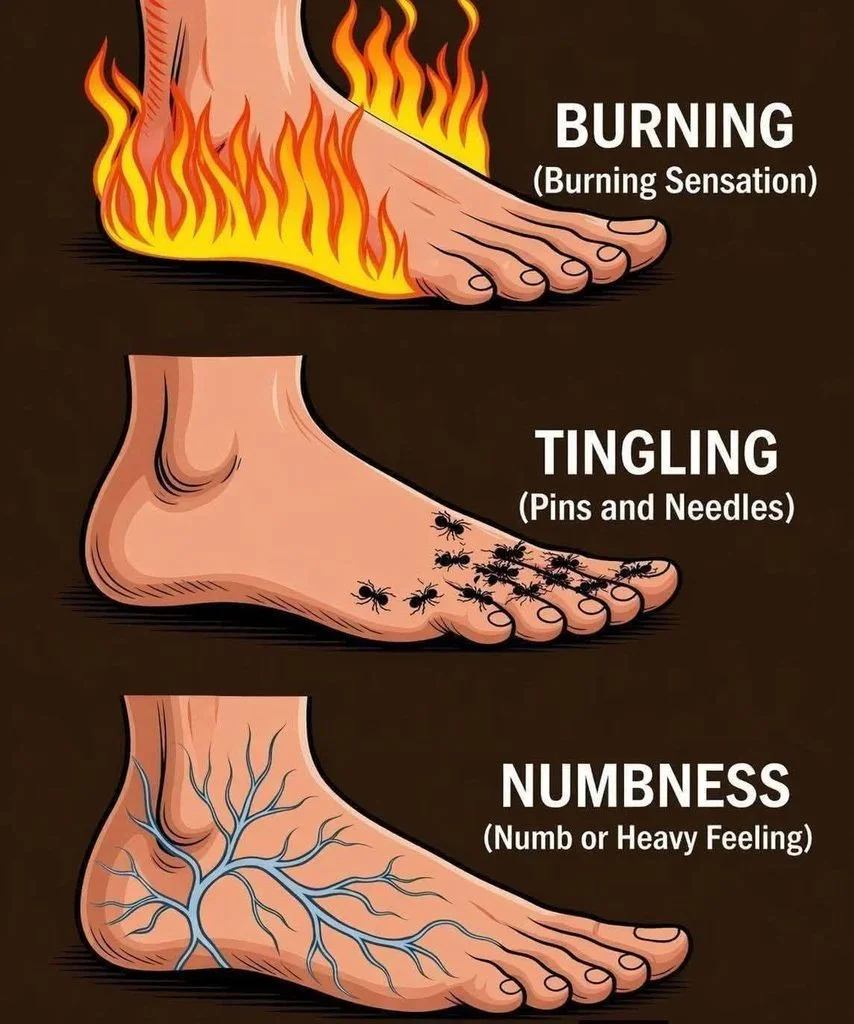
You experience numbness, tingling, or a burning sensation in the foot (which could indicate nerve involvement, like tarsal tunnel syndrome).
The pain is accompanied by swelling, redness, or warmth (which could indicate an infection).
Treatments a doctor might offer include physical therapy, night splints (to keep the foot stretched while sleeping), corticosteroid injections, or extracorporeal shock wave therapy.
Conclusion: Stepping Toward Recovery
The anatomical illustration of the plantar fasciitis trigger point is a powerful reminder that foot pain is not just “in your head”—it is a real, structural, and inflammatory condition. The plantar fascia is a vital shock absorber, and when it is overworked and inflamed, the resulting heel pain can be debilitating. By understanding the anatomy, actively releasing the trigger points with targeted massage, stretching the tight calf muscles, and wearing supportive footwear, you can calm the inflammation and heal the fascia. Do not ignore the sharp pain of that first morning step. Listen to your body, take pressure off the foot, and take the necessary steps to restore your mobility and comfort.
Frequently Asked Questions
What is a plantar fasciitis trigger point?
A trigger point is a highly sensitive, tight knot in the thick band of tissue (the plantar fascia) on the bottom of the foot. Pressing on it can reproduce the sharp, stabbing heel pain associated with the condition.
Why is plantar fasciitis pain worse in the morning?
When you sleep, your foot is pointed downward, causing the plantar fascia to tighten and shorten. When you take your first step out of bed, the fascia is forced to stretch suddenly, which causes sharp pain at the heel attachment.
Is it better to rest or walk with plantar fasciitis?
Resting completely can actually make the fascia stiffer. Gentle, low-impact movement (like walking on soft surfaces) and targeted stretching are usually better. However, you should avoid high-impact activities like running or jumping until the pain subsides.
Can I use a massage gun on my foot?
Yes, a massage gun on a low setting can be very effective for releasing trigger points in the arch and calf. However, avoid using it directly on the heel bone or any area that feels extremely inflamed or bruised.
What is the best shoe for plantar fasciitis?
The best shoes have a firm heel counter, a thick, cushioned sole, and good arch support. Avoid flat shoes like flip-flops or ballet flats, and replace your athletic shoes every 300-500 miles of wear.
Do compression socks help plantar fasciitis?
Compression socks can help improve blood flow and reduce swelling, which may provide some mild relief. However, they do not address the mechanical tension in the fascia itself.
How long does it take for plantar fasciitis to heal?
With consistent treatment (stretching, orthotics, icing), most cases improve within a few months. However, chronic cases can take 6 to 12 months to fully resolve.
When should I see a doctor for heel pain?
You should see a doctor if the pain is severe, prevents you from walking normally, lasts longer than a few weeks despite home treatment, or if you experience numbness or tingling in the foot.