The Plantar Fasciitis Trigger Point: What That Sharp Heel Pain Really Means and How to Find Relief
The Anatomy of the Plantar Fascia: Your Foot’s Shock Absorber
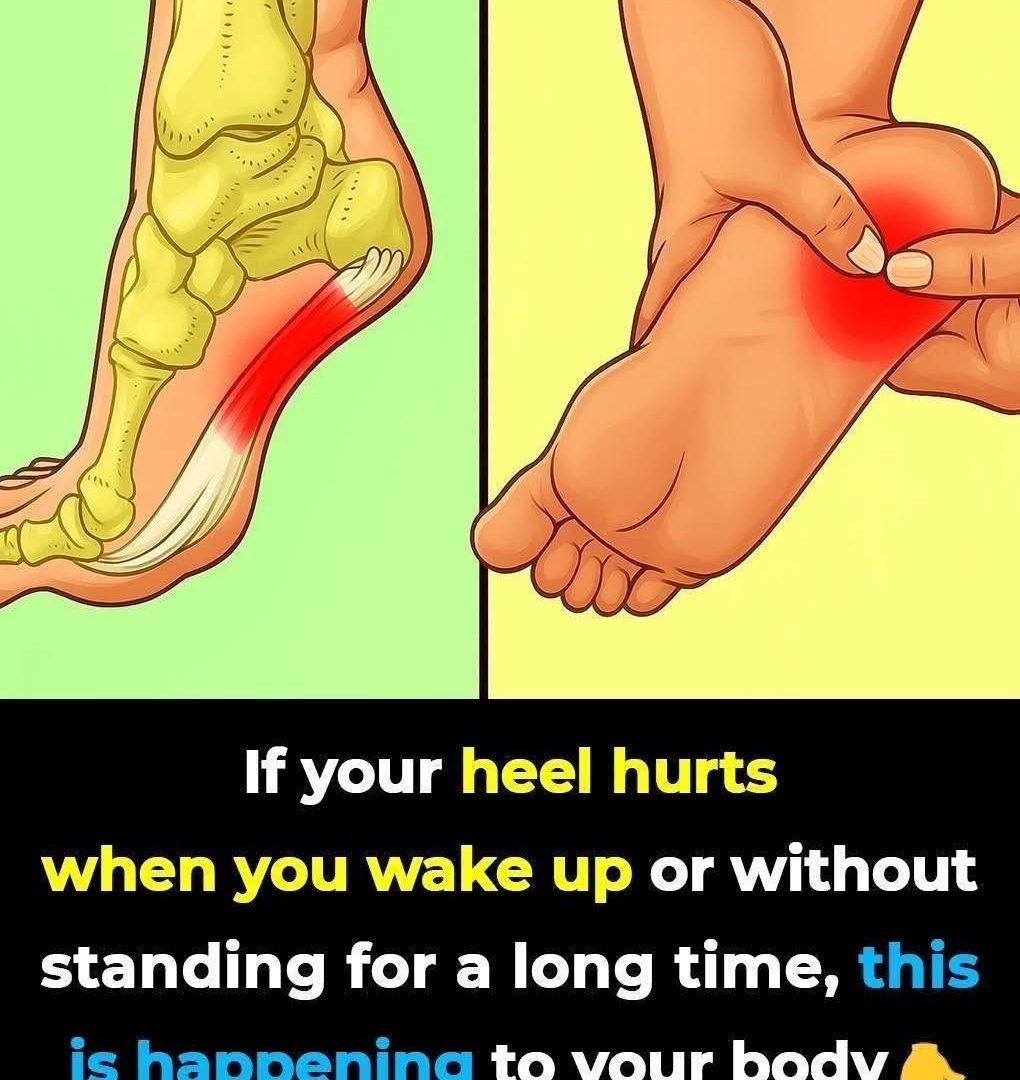
To understand why plantar fasciitis occurs, we must first look at the anatomical cutaway in the image. The plantar fascia is the thick, web-like ligament that connects your heel bone (calcaneus) to your toes.
The Bowstring Mechanism
Think of the plantar fascia as a powerful bowstring. It supports the arch of your foot and acts as a shock absorber. Every time you take a step, your foot bears the weight of your entire body. As you walk or run, the plantar fascia stretches and contracts, storing energy and springing you forward. It is one of the most heavily loaded structures in the human body.
What is Plantar Fasciitis?
The suffix “-itis” means inflammation. Plantar fasciitis is the inflammation of this thick ligament. Over time, due to excessive stress, the fascia develops micro-tears, particularly at the point where it attaches to the heel bone. The body responds with inflammation, which causes the stabbing pain shown in the red highlighted area of the image.
Understanding the “Trigger Point” (The Red Circle)
The finger pressing into the arch in the image is demonstrating the search for a myofascial trigger point.
What is a Trigger Point?
A trigger point is a hyperirritable spot within a taut band of skeletal muscle or fascia. When you press on it (as the finger is doing in the illustration), it can produce local pain, but it can also cause “referred pain”—pain that radiates to other areas, like the heel or the toes.
The Biomechanical Chain Reaction
The trigger point in the arch of the foot often develops because the fascia is overworked. When the calf muscles (gastrocnemius and soleus) are tight, they pull on the Achilles tendon, which in turn pulls on the heel bone. This forces the plantar fascia to work much harder to stabilize the foot, leading to the formation of tight, painful knots or trigger points in the arch.
Why Does Plantar Fasciitis Happen? The Common Culprits
The condition rarely happens overnight. It is usually the result of cumulative stress. Here are the primary causes:
Tight Calf Muscles and Achilles Tendons: This is a massive contributing factor. If your calves are tight, your ankle cannot flex properly, and the arch collapses under weight.
Foot Mechanics: Having very flat feet (pes planus) or very high arches (pes cavus) alters how weight is distributed across the foot, putting excess strain on the fascia.
Improper Footwear: Wearing shoes with poor arch support, thin soles, or worn-out cushioning (like old sneakers or flat flip-flops) forces the fascia to absorb impact without assistance.
Weight Gain or Obesity: Excess body weight increases the mechanical load on the feet.
Occupational Strain: Jobs that require prolonged standing on hard surfaces (like factory floors or retail) increase the risk.
A Sudden Increase in Activity: Going from a sedentary lifestyle to suddenly running miles or doing high-impact aerobics can overload the fascia.
The Classic Symptom: The Morning “First-Step” Pain
The hallmark symptom of plantar fasciitis, which is directly linked to the inflamed trigger point shown in the image, is pain that is most severe with the first few steps after waking up or after a long period of sitting.
Why is it worse in the morning?
When you sleep, your foot is typically pointed downward (plantar flexion), which shortens the plantar fascia. When you suddenly step out of bed and put your full weight on the foot, the fascia is forced to stretch abruptly. Because it is inflamed and shortened, this sudden stretching causes a sharp, tearing pain in the heel and arch.