The Best Vitamin for Your Legs: What Dead Feet and Heavy Calves Are Missing
If you have been experiencing heaviness in your legs, cold feet, or a feeling of “dead” feet, you may be wondering if a vitamin deficiency is to blame. While there is no single vitamin that acts as a magic cure for poor circulation, certain nutrients play a critical role in supporting healthy blood flow and nerve function. Understanding which vitamins matter most can help you address the root cause of your discomfort.
Why Your Legs and Feet Need Proper Nutrition
Your legs and feet are at the far end of your circulatory system. Blood has to travel a long way down and then be pumped back up to the heart. This makes them particularly vulnerable to circulation problems. When blood flow is poor, you may notice symptoms like numbness, tingling, coldness, or a heavy, achy feeling. Certain vitamins and minerals are essential for keeping your blood vessels healthy and your nerves functioning properly.
Key Vitamins for Leg and Foot Health
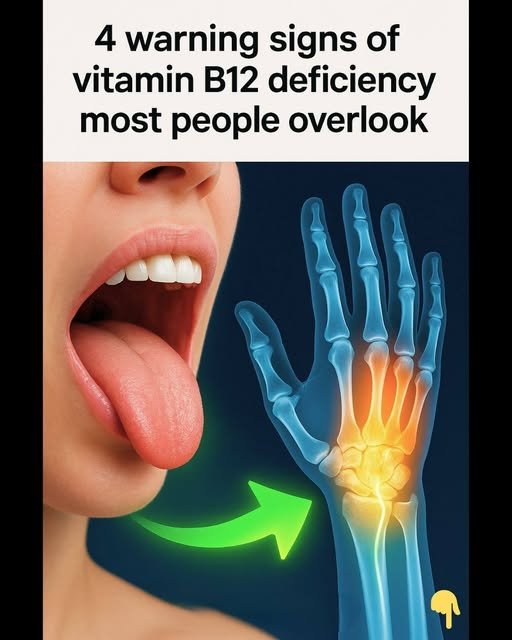
Vitamin B12: This vitamin is crucial for healthy nerve function and the production of red blood cells. A deficiency in B12 can cause tingling or numbness in the legs and feet, muscle weakness, and even difficulty walking. Older adults, vegetarians, and people with digestive conditions are at higher risk for B12 deficiency.
Vitamin D: While best known for bone health, vitamin D also plays a role in muscle function and circulation. A deficiency can lead to muscle weakness and bone pain in the legs. Many people are unaware they are deficient because symptoms develop slowly.
Vitamin B6 and Folate (B9): These B vitamins work together to regulate homocysteine, an amino acid that can damage blood vessels when levels are too high. Keeping homocysteine in check is important for protecting your blood vessels and supporting healthy circulation.
Vitamin C: This antioxidant supports the health of your blood vessel walls and helps improve circulation. It is also necessary for collagen production, which keeps your blood vessels strong and flexible.
Vitamin E: Known for its antioxidant properties, vitamin E helps protect blood vessels from damage and supports healthy blood flow. Some research suggests it may help with symptoms of poor circulation, though the evidence is mixed.
Other Important Nutrients
Beyond vitamins, other nutrients also support leg and foot health. Magnesium helps muscles relax and contract properly, and a deficiency can cause cramps and spasms. Potassium supports nerve signals and muscle function. Iron is essential for carrying oxygen in the blood; a deficiency can lead to fatigue and weakness. Omega-3 fatty acids have anti-inflammatory properties that support cardiovascular health.
When to See a Doctor
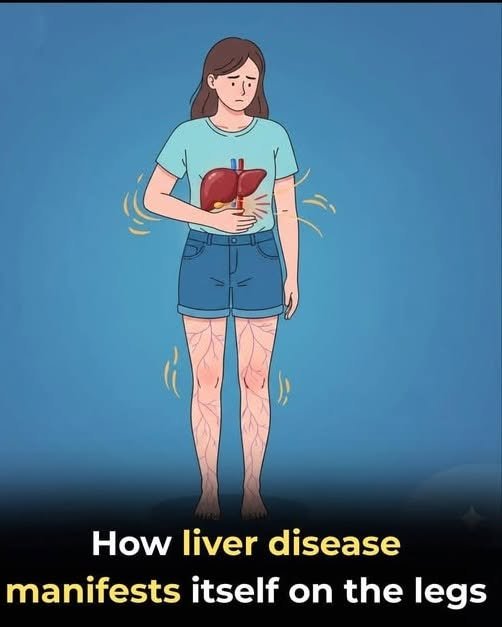
Leg and foot pain can have many causes, including poor circulation, nerve damage, arthritis, and diabetes. Do not assume that a vitamin deficiency is the only explanation. If you are experiencing persistent symptoms, it is important to see a doctor for a proper evaluation. They can order blood tests to check your vitamin levels and rule out other conditions. They can also recommend appropriate supplements if you are deficient.
The Bottom Line
While no single vitamin will fix all leg and foot problems, ensuring you have adequate levels of B12, vitamin D, and other key nutrients is an important part of maintaining healthy circulation and nerve function. A balanced diet, regular exercise, and open communication with your doctor are the best ways to protect your leg health for years to come.