7 Signs of Vitamin B12 Deficiency That Are Often Ignored (Including Foot Pain!)
Vitamin B12 deficiency is more common than you think and often goes unnoticed. Discover the 7 subtle signs your body is trying to tell you—from foot tingling to skin changes—and how to fix it.
Introduction
Vitamin B12 is an essential nutrient that plays a critical role in producing red blood cells, maintaining nerve function, and synthesizing DNA. Yet, despite its importance, B12 deficiency is incredibly common—and frequently ignored.
Why? Because the symptoms often creep up slowly and mimic other common health issues, like aging, stress, or general fatigue.
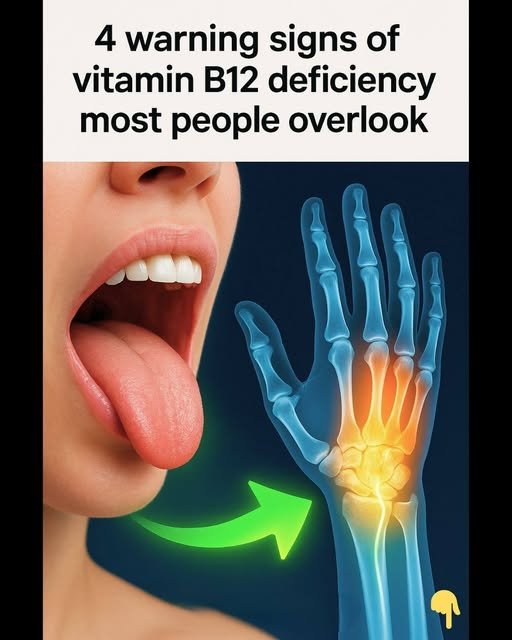
Recently, a viral image (like the one above) has been circulating, pointing to specific physical signs like spots on the neck, forehead blemishes, and toe inflammation as indicators of low B12. While some of these visual cues are a bit exaggerated, they point to a very real truth: your body does send warning signals when your B12 levels drop.
Here is a breakdown of the actual signs of Vitamin B12 deficiency that you should never ignore, including what those foot and skin issues really mean.
1. Tingling, Numbness, or Pain in the Feet and Toes
(As hinted at by the foot illustration in the image)
While the viral image shows inflamed toes (which can sometimes look like gout), the real B12 connection to the feet is neurological.
Vitamin B12 is crucial for maintaining the myelin sheath—the protective coating around your nerves. When you are deficient, this coating can degrade, leading to a condition called Peripheral Neuropathy.
What it feels like: A “pins and needles” sensation, numbness, tingling, or even a burning pain in your hands and feet.
Why it’s ignored: People often blame it on sitting in an awkward position, aging, or poor circulation.
2. Unexplained Skin Spots and Pigmentation Changes
(As hinted at by the spots on the neck and face in the image)
The image shows dark spots on the neck and a red spot on the forehead. While B12 deficiency doesn’t typically cause acne, it does cause distinct skin changes:
Hyperpigmentation: Severe B12 deficiency can cause dark, patchy discoloration on the skin, particularly on the knuckles, palms, and soles of the feet.
Pale or Yellowish Skin: Because B12 is needed to make red blood cells, a lack of it causes megaloblastic anemia. The red blood cells become fragile and break down, releasing bilirubin, which gives the skin and the whites of the eyes a slightly yellow (jaundiced) tint.
3. A Swollen, Red Tongue and Mouth Ulcers
One of the earliest and most classic signs of B12 deficiency happens right inside your mouth.
Glossitis: Your tongue may become swollen, red, and painful. The tiny bumps (papillae) on your tongue can stretch or disappear, making it look smooth and beefy red.
Mouth Ulcers: You might experience frequent canker sores or a general burning sensation in your mouth.
4. Crushing Fatigue and Weakness
This is the most common symptom, but also the easiest to ignore. If your body doesn’t have enough B12, it can’t produce enough healthy red blood cells to carry oxygen to your organs.
The Result: You feel exhausted, weak, and lethargic, no matter how much sleep you get. It’s often brushed off as just “having a busy week.”
5. Brain Fog and Memory Issues
B12 is vital for brain health. Low levels can lead to neurological symptoms that are frequently mistaken for early dementia or just “getting older.”
The Signs: Difficulty concentrating, forgetfulness, confusion, and a general feeling of mental “fogginess.”
6. Mood Changes and Depression
There is a strong link between B12 and the production of brain chemicals like serotonin and dopamine, which regulate mood.
The Signs: Unexplained irritability, anxiety, or a sudden onset of depressive symptoms. Many people treat the mood disorder without ever checking their vitamin levels.
7. Vision Disturbances
If left untreated, B12 deficiency can damage the optic nerve, leading to blurred or disturbed vision. This is a serious sign that the deficiency is affecting your nervous system and requires immediate medical attention.
Who Is Most at Risk?
You might be surprised to learn that B12 deficiency isn’t just a problem for strict vegans. You are at higher risk if you:
Are over 50: Stomach acid production decreases with age, making it harder to absorb B12 from food.
Take certain medications: Long-term use of acid-reflux drugs (PPIs like omeprazole) or the diabetes drug Metformin can block B12 absorption.
Have gut issues: Conditions like Crohn’s disease, celiac disease, or those who have had weight-loss surgery struggle to absorb the vitamin.
Eat a plant-based diet: B12 is naturally found almost exclusively in animal products.
How to Fix a B12 Deficiency
If you recognize these signs, don’t just start buying random supplements. Here is the safest approach:
Get a Blood Test: Ask your doctor for a standard B12 blood test. It’s cheap, easy, and gives you a definitive answer.
Dietary Changes: If your levels are just slightly low, increase your intake of B12-rich foods:
Clams and liver (the highest sources)
Beef and chicken
Trout, salmon, and tuna
Eggs, milk, and yogurt
Fortified nutritional yeast and cereals (for vegans)
Supplementation: If you are severely deficient or have absorption issues, your doctor may prescribe high-dose oral supplements or B12 injections (shots) to bypass the digestive system entirely.
Conclusion
The viral image highlighting “ignored signs” of B12 deficiency is a great reminder to pay attention to your body. While the specific illustrations might be a bit stylized, the underlying message is true: tingling feet, strange skin changes, and unexplained fatigue are your body’s way of asking for help.
Don’t ignore the signs. A simple blood test could be the key to getting your energy, your nerves, and your health back on track.
Disclaimer: This article is for informational and educational purposes only and does not constitute professional medical advice. Always consult with a qualified healthcare provider for a proper diagnosis and treatment plan before starting any new supplements.