Suffering from Poor Circulation? Here’s How to Fix It in Just 20 Minutes!
4. Vitamin D
Often called the “sunshine vitamin,” Vitamin D plays a massive role in cardiovascular health. It helps regulate blood pressure and has been shown to improve the function of the endothelium (the inner lining of the blood vessels). A deficiency in Vitamin D is strongly linked to an increased risk of peripheral artery disease (PAD).
5. Vitamin K
Vitamin K is crucial for healthy blood clotting. While you don’t want blood clots that cause strokes, you also need the right balance of clotting factors to prevent easy bruising and to maintain the health of your vein walls. Vitamin K helps keep calcium out of your arteries, preventing them from hardening.
6. Omega-3 Fatty Acids (The Honorary Vitamin)
While technically a fat and not a vitamin, Omega-3s are non-negotiable for circulation. Found in fish oil and flaxseed, Omega-3s reduce inflammation, lower blood viscosity (making the blood less “sticky”), and help lower blood pressure.
7. Magnesium (The Miracle Mineral)
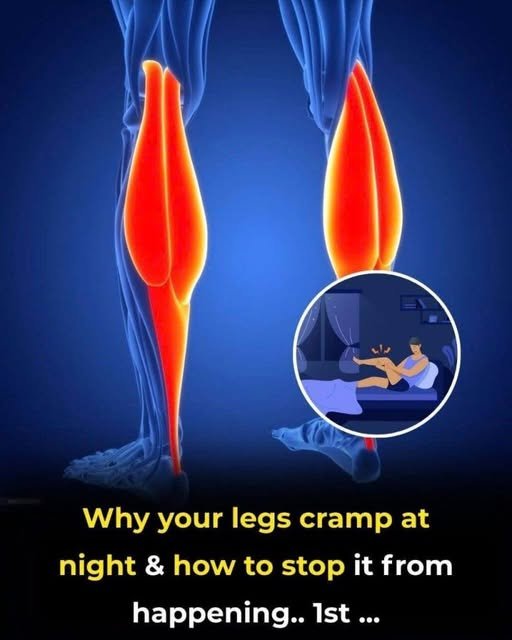
Magnesium is nature’s natural muscle relaxant. It helps the smooth muscles inside your blood vessels relax and dilate. A deficiency in magnesium is a common cause of muscle cramps and spasms, particularly in the legs and feet.
The Role of Diet: Eating Your Way to Better Blood Flow
Vitamins are best absorbed through whole foods. To supercharge your circulation, incorporate these foods into your daily diet:
Beets: Extremely high in nitrates, which the body converts to nitric oxide. Nitric oxide is the chemical that signals blood vessels to open up.
Citrus Fruits: Packed with Vitamin C and flavonoids that support healthy arteries.
Leafy Greens (Spinach, Kale): Rich in nitrates, magnesium, and Vitamin K.
Fatty Fish (Salmon, Mackerel): The best source of Omega-3s.
Nuts and Seeds (Almonds, Pumpkin Seeds): Excellent sources of Vitamin E and magnesium.
Garlic: Contains allicin, which has been shown to improve blood flow and lower blood pressure.
Lifestyle Habits That Sabotage Your Circulation
No amount of vitamins will fix your circulation if you are constantly engaging in habits that restrict blood flow.
Smoking: Smoking is the single worst thing you can do for your circulation. The chemicals in tobacco smoke cause the blood vessels to constrict immediately and permanently damage the endothelial lining.
Sedentary Lifestyle: Sitting for hours on end causes blood to pool in the legs. If you have a desk job, set a timer to stand up and walk for 5 minutes every hour.
Poor Hydration: Dehydration makes the blood thicker and more difficult to pump through the small capillaries. Drink plenty of water throughout the day.
Tight Clothing: Wearing tight socks, skinny jeans, or belts can restrict blood flow at the surface level, exacerbating the problem.
When to See a Doctor: The Red Flags
While lifestyle changes and vitamins can improve general circulation, you must be aware of the signs of serious medical conditions. You should consult a doctor if you experience:
Intermittent Claudication: If you experience severe leg cramping after walking a short distance, which goes away after you rest. This is a classic sign of Peripheral Artery Disease (PAD).
Sudden Swelling in One Leg: This could be a sign of Deep Vein Thrombosis (DVT), a dangerous blood clot that requires immediate medical attention.
Sores or Ulcers: Wounds on the feet or legs that do not heal.
Severe Discoloration: If your leg turns a dark purple or black color.
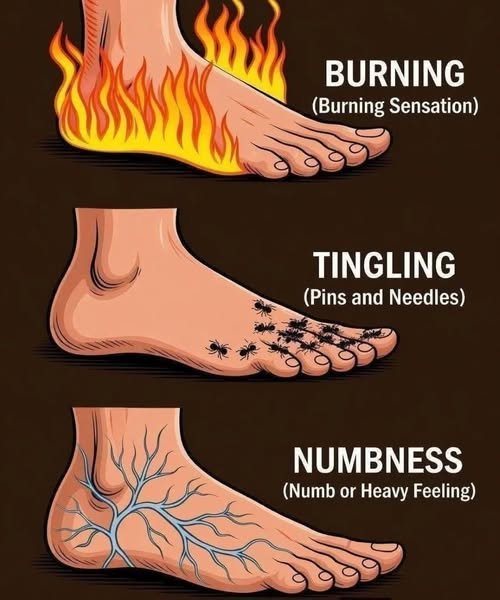
Loss of Sensation: If you cannot feel your feet at all, which could be a sign of diabetic neuropathy.
Conclusion: Taking Back Control of Your Blood Flow
The viral image of the blue, tingling foot is a sobering reminder of how uncomfortable and disruptive poor circulation can be. But the good news is that you have immense power to fix it. By implementing the 20-minute emergency routine of elevating your legs, pumping your ankles, and massaging your feet, you can find immediate relief from the coldness and numbness.
For the long term, you must arm your body with the right nutrients. The 7 vitamins and minerals outlined above—from the vessel-opening power of Niacin and Nitric Oxide to the structural support of Vitamin C and the muscle-relaxing effects of Magnesium—form the ultimate defense against vascular decline. Combine these supplements with a diet rich in beets, leafy greens, and fish, and commit to moving your body every single day. With these strategies, you can restore the healthy, vibrant flow of blood from your heart to your toes.
Frequently Asked Questions
What is the fastest way to improve blood circulation in my legs?
The fastest physical method is to lie on your back with your legs elevated against a wall (Legs Up the Wall pose) for 5 minutes. Combined with rapid ankle pumps and a warm foot massage, this can bring immediate relief to cold, numb feet in just 20 minutes.
Which vitamin is best for poor circulation?
There is no single “best” vitamin. A combination is required. Vitamin B3 (Niacin) is excellent for immediate vasodilation. Vitamin C and Vitamin E support the structural integrity of the blood vessels, while Magnesium helps relax the vessel walls.
Can poor circulation be cured?
Poor circulation is usually a symptom of an underlying issue (like a sedentary lifestyle, poor diet, or a medical condition like diabetes or PAD). It cannot be “cured” instantly, but it can be significantly improved and managed through diet, exercise, supplements, and medical treatment.
Why do my feet turn blue when I sit for a long time?
When you sit for a long time, the “muscle pump” in your calves is inactive. Blood pools in the veins of your lower extremities, and the deoxygenated blood gives the skin a blue or purplish hue (cyanosis). Getting up and walking around will quickly restore normal color.
Does drinking water help circulation?
Yes. Dehydration makes the blood thicker and more viscous, making it harder for the heart to pump it to the extremities. Drinking adequate water keeps the blood fluid and helps maintain healthy blood pressure.
What foods should I avoid for better circulation?
You should avoid or limit foods high in trans fats, refined sugars, and excessive sodium. These foods promote inflammation, plaque buildup in the arteries, and high blood pressure, all of which restrict healthy blood flow.
Are compression socks good for circulation?
Yes. Compression socks apply gentle pressure to the legs, helping the veins push blood back up to the heart. They are highly recommended for people who stand or sit for long periods, as well as for those with venous insufficiency.