Suffering from Poor Circulation? Here’s How to Fix It in Just 20 Minutes!
Understanding Poor Circulation: Why Do Your Legs and Feet Suffer?
Before we dive into the solutions, it is essential to understand why the legs and feet are the most common victims of poor circulation.
The Battle Against Gravity
The heart is a powerful pump, pushing oxygen-rich blood down to your toes through the arteries. However, once the blood delivers its oxygen, the veins must push the deoxygenated blood all the way back up to the heart. Because veins have thinner walls and lower pressure than arteries, they rely on one-way valves and the contraction of surrounding muscles (like the calf muscles) to squeeze the blood upward. If you sit or stand for long periods, this “muscle pump” stops working, and blood can pool in the lower extremities.
Symptoms of Poor Circulation
When blood flow is restricted, your body sends out clear warning signals. These include:
Cold hands and feet: A lack of warm blood reaching the extremities.
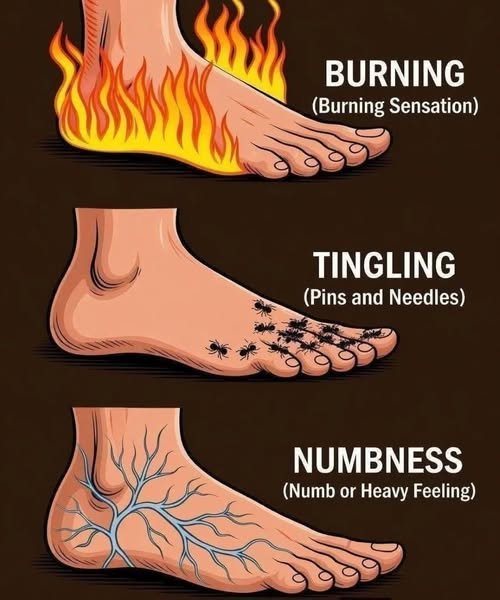
Numbness and tingling: Often described as a “pins and needles” sensation.
Swelling (Edema): Fluid accumulation in the ankles and feet due to sluggish venous return.
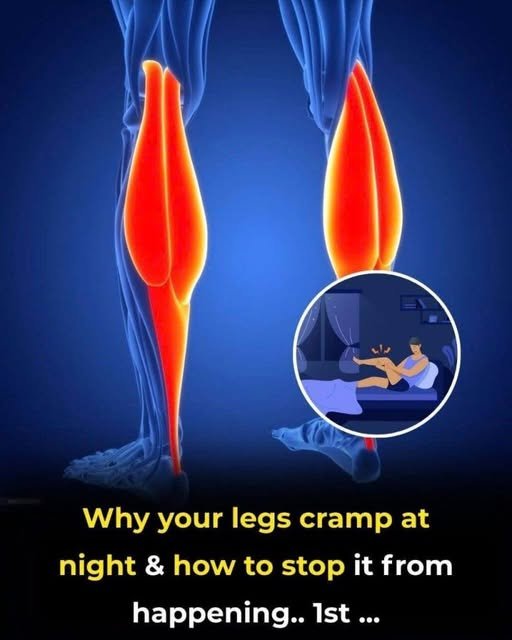
Cramping: Especially in the calves, often occurring at night.
Discoloration: Skin that looks pale, blue, or shiny.
Slow-healing wounds: Because oxygen and nutrients are required for tissue repair.
The 20-Minute Emergency Fix: Immediate Relief for Cold, Numb Feet
If you are currently experiencing the uncomfortable symptoms shown on the right side of the image, you do not need to wait for vitamins to build up in your system to get relief. You can use these four physical techniques in just 20 minutes to force blood flow back into your legs and feet.
1. The “Legs Up the Wall” Pose (5 Minutes)
This is the most effective immediate remedy for venous pooling.
How to do it: Lie on your back on the floor or your bed. Place your hips close to a wall and swing your legs up so your heels are resting against the wall. Your body should form a 90-degree angle.
Why it works: Gravity is now working with your body. The blood that was pooling in your feet will effortlessly drain back toward your heart, reducing swelling and relieving the heavy, aching feeling in your legs.
2. The Ankle Pump and Calf Squeeze (5 Minutes)
Your calf muscles are your “second heart.”
How to do it: Sit in a chair with your feet flat on the floor. Point your toes down toward the floor as far as you can, then flex them back up toward your shins. Repeat this pumping motion rapidly for 2 to 3 minutes.
Why it works: This mechanical movement squeezes the deep veins in your calves, acting as a pump that forces stagnant blood back up to the heart.
3. The Warm Water Contrast Soak (5 Minutes)
How to do it: Fill a basin with warm water (not scalding hot) and soak your feet. If you are brave, try a contrast bath: soak in warm water for 2 minutes, then cold water for 30 seconds, alternating for a total of 5 minutes. End on warm.
Why it works: The heat causes your blood vessels to dilate (open up), immediately increasing blood flow to the area. The cold water causes them to constrict, creating a pumping action that flushes the tissues.
4. Firm Massage (5 Minutes)
How to do it: Use your hands or a massage roller. Start at your toes and massage firmly, moving upward toward your ankles, calves, and knees. Always massage toward the heart.
Why it works: Massage physically pushes the stagnant fluid out of the tissues and back into the lymphatic and venous systems.
The 7 Best Vitamins and Nutrients for Long-Term Circulation
While the 20-minute fix provides immediate relief, you must address the root cause of the poor circulation to prevent it from happening again. The blood vessels need to be flexible, the blood needs to be the right consistency, and the nerves need to be healthy. Here are the 7 key nutrients that do exactly that.
1. Vitamin B-Complex (Especially B3 and B12)
The B vitamins are the foundation of vascular health.
Vitamin B3 (Niacin): This vitamin is famous for causing a “niacin flush” (a temporary warming and reddening of the skin). It works by dilating blood vessels, which improves blood flow to the extremities.
Vitamin B12 and B9 (Folate): These are essential for regulating homocysteine, an amino acid that, at high levels, damages the lining of the blood vessels and promotes blood clots.
2. Vitamin C
Vitamin C is a powerful antioxidant that protects your blood vessels from oxidative stress. More importantly, it is essential for the production of collagen. Collagen provides the structural integrity and flexibility to your veins and arteries. Without enough Vitamin C, your blood vessels can become stiff and fragile.
3. Vitamin E
Vitamin E is a fat-soluble antioxidant that is specifically known for its ability to improve blood circulation. It helps to prevent platelets from clumping together (which reduces the risk of blood clots) and helps the blood vessels widen, allowing for smoother flow.