Nocturnal Leg Cramps: Why You Wake Up in Pain and How to Stop It
Meta Description: Waking up with a sudden, painful leg cramp is a common misery. Discover the medical causes of nocturnal leg cramps (charley horses) and proven methods to prevent them.
Introduction
There are few things more jarring than being woken from a deep sleep by a sudden, sharp pain in your calf or foot. The muscle feels hard, knotted, and excruciatingly tender. This phenomenon is known as a nocturnal leg cramp, or commonly, a “charley horse.”
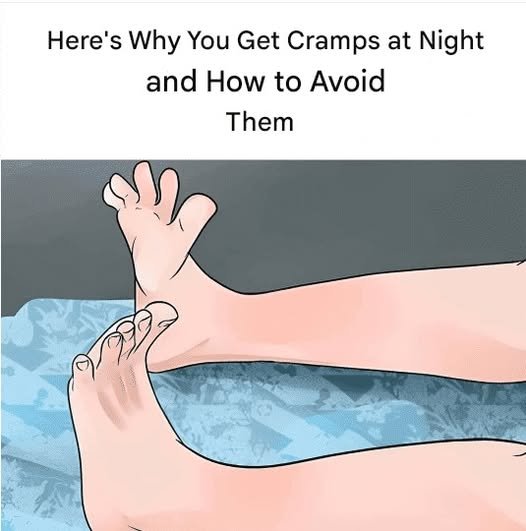
As the illustration above shows, these cramps often involve the foot curling inward or the calf muscle seizing up. While they are usually harmless, they can be incredibly painful and disrupt your sleep quality.
Here is a breakdown of why these cramps occur and the most effective ways to stop them from happening.
Why Do Legs Cramp at Night?
Muscle cramps are involuntary, forceful contractions of a muscle that do not relax. While the exact cause isn’t always clear, medical science points to several primary triggers:
1. Muscle Fatigue and Overuse
If you have been on your feet all day, exercised heavily, or stood for long periods, the muscles in your legs may be fatigued. This fatigue can lead to misfiring of the nerves that control muscle contraction, resulting in a cramp when you are resting.
2. Dehydration and Electrolyte Imbalance
Muscles require a delicate balance of water and minerals to function properly.
Dehydration: Lack of water reduces blood volume, making it harder for the body to deliver oxygen and nutrients to muscles.
Electrolytes: Low levels of magnesium, potassium, or calcium can disrupt the electrical signals that tell muscles to relax. This is why cramps are common in hot weather or after sweating.
3. Poor Sleeping Position (The “Pointed Toe” Problem)
The position of your feet while you sleep plays a significant role.
Plantar Flexion: If you sleep on your back with heavy blankets tucked in tight, your toes may be pointed downward. This shortens the calf muscle.
The Result: If you then move slightly, the shortened muscle can contract suddenly, triggering a cramp. The image above clearly depicts the foot in a flexed, cramping position, often caused by this shortening.
4. Age and Tendon Shortening
As we age, our tendons (the tissues that connect muscle to bone) naturally shorten and become less flexible. This puts more stress on the muscles, making them more prone to cramping, particularly in the legs.
5. Medications and Medical Conditions
Certain medications, particularly statins (for cholesterol) and diuretics (for blood pressure), can deplete electrolytes or cause muscle irritation as a side effect. Conditions like diabetes, peripheral artery disease (poor circulation), and nerve damage (neuropathy) also increase the risk.
How to Stop Nocturnal Leg Cramps
If you suffer from frequent night cramps, you can take proactive steps to reduce their frequency and intensity.
1. Stretch Before Bed
This is the most effective preventative measure.
The Calf Stretch: Stand facing a wall, place your hands on the wall, and step one foot back. Keep the back leg straight and the heel on the ground. Lean forward until you feel a stretch in the calf. Hold for 30 seconds. Repeat on both sides.
The Towel Stretch: Sit on the bed with your legs straight out. Loop a towel around the ball of your foot and gently pull your toes toward you. Hold for 30 seconds.
2. Hydrate and Replenish Electrolytes
Drink plenty of water throughout the day.
Eat foods rich in potassium (bananas, sweet potatoes, spinach) and magnesium (almonds, cashews, pumpkin seeds).
Some people find relief by taking a magnesium supplement before bed, though you should consult a doctor first.
3. Adjust Your Sleep Environment
Loosen the blankets: If you sleep on your back, untuck the sheets at the foot of the bed so your toes can point upward naturally, rather than being forced downward.
Sleep on your side: This can help keep the feet in a neutral position.
4. Immediate Relief Techniques
When a cramp strikes in the middle of the night:
Stretch immediately: Straighten your leg and pull your toes toward your shin (dorsiflexion). This forces the calf muscle to lengthen and stop the contraction.
Walk it off: Standing up and putting weight on the affected leg can help the muscle relax.
Heat therapy: Apply a heating pad or take a warm bath to relax the tight muscle.
When to See a Doctor
Occasional leg cramps are normal. However, you should consult a healthcare provider if:
The cramps are severe and happen frequently.
They do not improve with self-care (stretching and hydration).
You notice swelling, redness, or skin changes in the leg.
The cramps are associated with muscle weakness.
Conclusion
Nocturnal leg cramps are a painful but manageable condition. By understanding the triggers—such as dehydration, muscle fatigue, and sleeping position—you can take simple steps like stretching before bed and staying hydrated to ensure a pain-free night’s sleep.
Disclaimer: This article is for informational and educational purposes only and does not constitute professional medical advice. If you experience severe or persistent leg pain, please consult a healthcare professional.