How Often Should You Shower? A Complete, Evidence-Informed Guide to Healthy Bathing Habits
5. Moisturize Immediately
The best time to apply lotion is within three minutes of exiting the shower. Gently pat your skin dry (do not rub aggressively), and while the skin is still slightly damp, apply a thick moisturizer. This helps trap the water in the skin and reinforces the lipid barrier.
The Hair Washing Dilemma
The question of how often to wash your hair is separate from how often to wash your body. Hair washing frequency depends on your hair type, scalp condition, and lifestyle.
Oily Hair: You may need to wash daily or every other day to manage sebum.
Dry or Curly Hair: Washing once or twice a week is often sufficient. Over-washing curly hair strips it of moisture, leading to frizz and breakage.
Fine Hair: Often requires more frequent washing as oils can travel down the hair shaft quickly.
Special Populations and Considerations
Older Adults
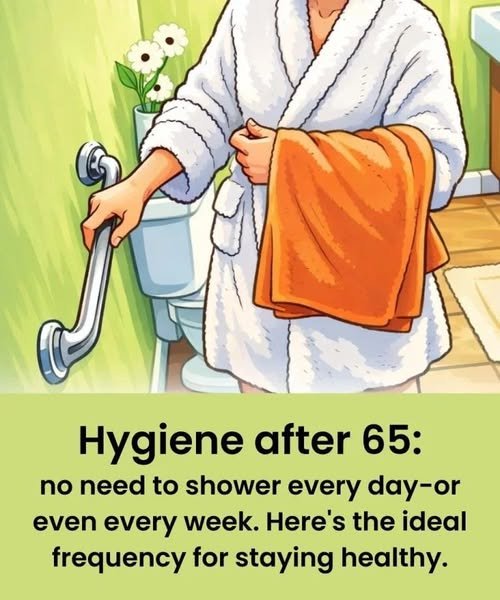
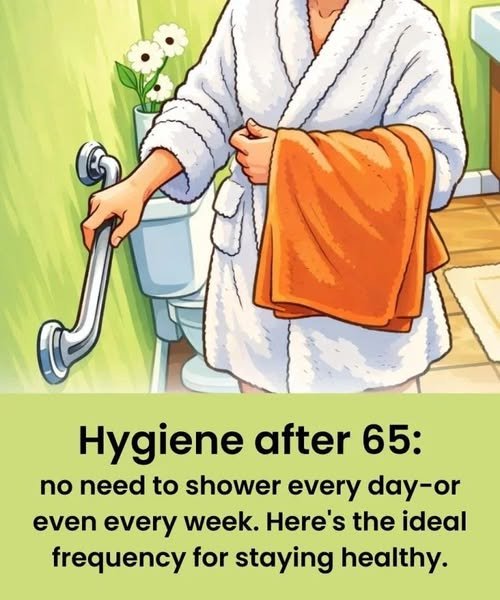
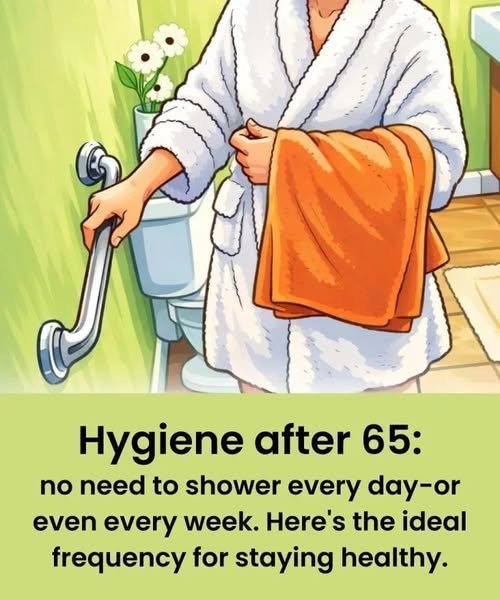
For seniors, hygiene is not just about cleanliness; it is about safety. The bathroom is the most hazardous room in the house. According to the CDC, falls are the leading cause of injury among adults over 65. Install grab bars, use a shower chair, and ensure non-slip mats are in place.
Eczema and Psoriasis
For those with skin conditions, showering can be a source of pain. However, it is also an opportunity to hydrate. Use lukewarm water, gentle cleansers, and apply prescription ointments immediately after patting the skin dry.
Conclusion: Finding Your Perfect Balance
The viral question “How Often Should You Shower?” does not have a one-size-fits-all answer. The daily shower is a modern cultural convention, not a strict biological requirement. For many people, a daily rinse with lukewarm water and gentle cleansers is perfectly fine. For others, especially those with dry or sensitive skin, showering every two to three days is a better choice for maintaining a healthy skin barrier and a balanced microbiome.
The most effective approach is to listen to your body. Focus on washing the “hot spots” daily, keep your showers short and lukewarm, and protect your skin with a high-quality moisturizer. By understanding the science of your skin, you can create a hygiene routine that leaves you feeling clean, confident, and physically healthy.
Frequently Asked Questions
Is it gross to shower every other day?
No. For most adults with a sedentary lifestyle, showering every other day is perfectly hygienic. As long as you are washing your “hot spots” (armpits, groin, feet, and face) daily, you will not be noticeably dirty or smelly.
Why is my skin dry even though I shower every day?
If you shower daily with hot water and harsh soaps, you are likely stripping your skin of its natural oils. This leads to a compromised lipid barrier and transepidermal water loss. Try reducing your shower frequency, lowering the temperature, and moisturizing immediately after showering.
Does showering more often make you cleaner?
Up to a point. However, showering excessively can strip the skin of its beneficial microbiome and natural oils, making you more susceptible to skin infections and irritation.
Is it better to shower in the morning or at night?
There is no medical consensus on this. Morning showers can help you wake up and feel fresh for the day. Night showers can wash away the day’s grime and allergens, which can improve sleep quality and keep your bed clean.
How often should seniors shower?
For most healthy seniors, showering two to three times a week is sufficient. Daily showers can worsen dry skin, and the bathroom poses a significant fall risk. Safety modifications like grab bars are essential.
Does hot water kill bacteria on the skin?
No. The water temperature in a shower is not high enough to kill bacteria. The purpose of showering is to physically wash away dirt and excess oil. In fact, hot water can damage the skin barrier, making you more susceptible to infections.
How often should you wash your hair?
For most people, washing hair two to three times a week is sufficient. Daily washing strips the scalp of natural oils and can lead to a dry, itchy scalp or an overproduction of oil.
Can showering too much cause skin infections?
Yes, indirectly. Over-washing disrupts the skin’s microbiome and damages the lipid barrier. This creates microscopic cracks in the skin that allow harmful bacteria and fungi to enter, potentially leading to infections.