Grooming Tools and Everyday Design Explained: The Purpose of the Tiny Hole in Nail Clippers
The Big Reveal: What is the Hole Actually For?
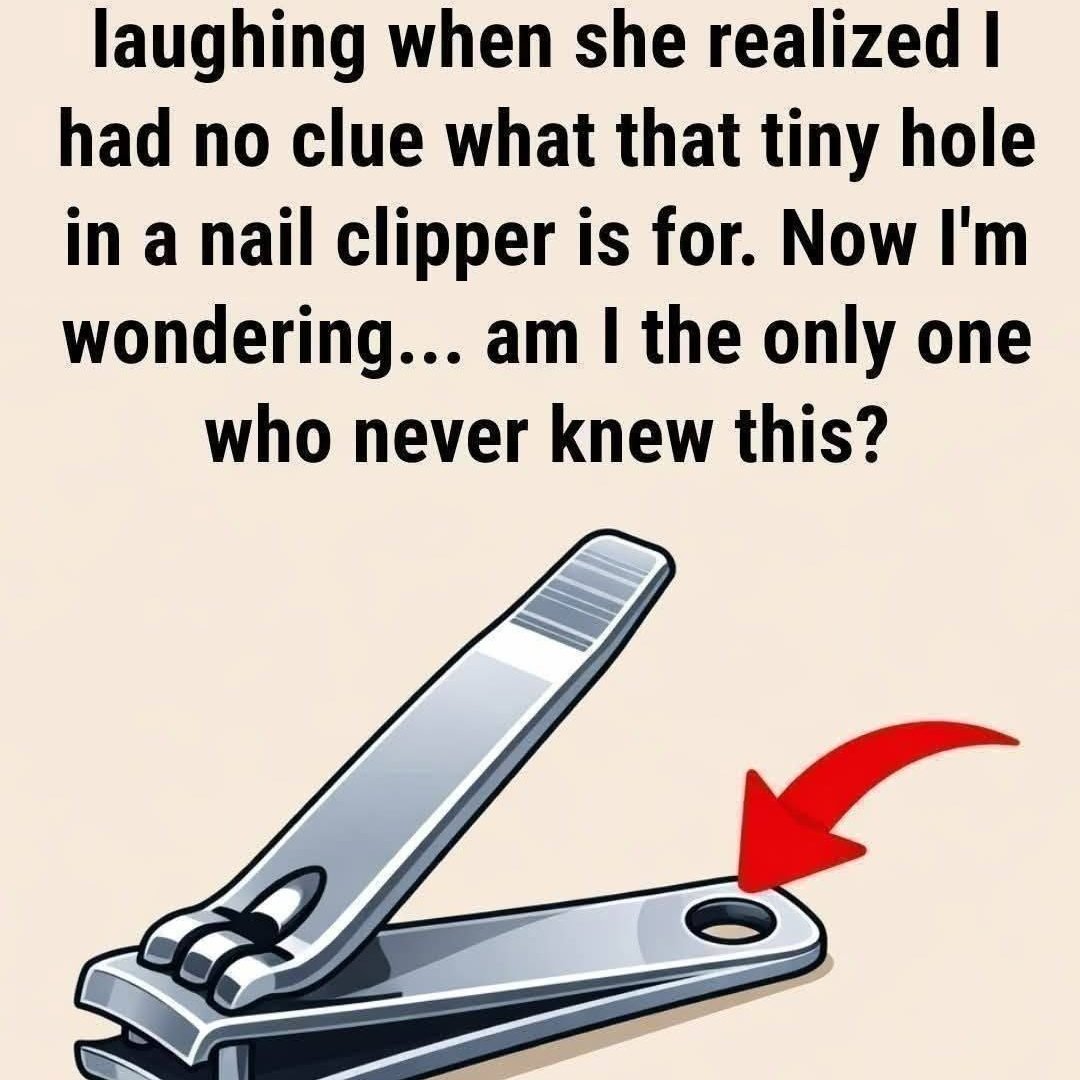
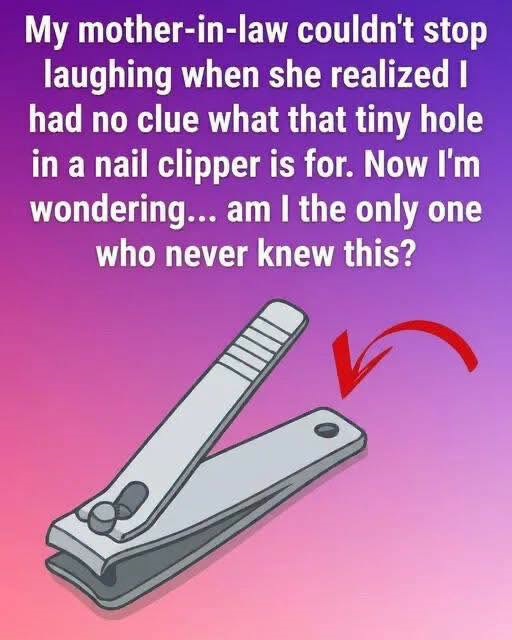
When you ask people what the hole in a nail clipper is for, you will get a variety of guesses, ranging from hanging it on a keychain to using it as a makeshift screwdriver. However, the primary purpose of the hole is surprisingly practical and rooted in the physics of the tool.
1. The Built-In “Catcher” for Clippings
The most significant—and most widely recognized by those “in the know”—function of the hole is to catch the nail clippings. If you have ever clipped your nails, you know the frustration of a jagged piece of keratin flying across the bathroom, only to be found weeks later embedded in the carpet.
The hole acts as a built-in receptacle. By inserting the edge of the nail into the hole from the underside of the lever, the clipping is trapped inside the small cavity. When the lever is pressed down, the cutting jaw snips the nail, and the clipping is securely held within the hole. This prevents the clippings from launching into the air. When you are done, you simply turn the clipper over and tap it to release the trapped clippings into the trash can. It is a simple, elegant, and highly effective solution to a messy problem.
2. A Grip for Precision and Control
From an ergonomic standpoint, the hole serves a crucial purpose: it provides a stable anchor point for your thumb.
When you use a nail clipper, you place your thumb on the lever and your index finger on the base. The hole creates a slight indentation or rim that prevents your thumb from slipping off the smooth, curved metal surface. This added grip is essential for precision. When trimming a nail, especially around delicate cuticles, any slip of the thumb can result in a painful and bloody mistake. The hole acts as a tactile guide, ensuring your thumb stays exactly where it needs to be to apply the necessary leverage.
3. The Manufacturing Origin: A Byproduct of the Process
While the practical uses are numerous, the origin of the hole is actually a byproduct of how the clippers are made.
Nail clippers are typically made of stamped stainless steel. During the manufacturing process, the metal is fed through a machine that cuts and shapes the lever. The hole is punched out so that the lever can be securely attached to a rack or hook as it moves through the various stages of grinding, polishing, and heat treatment. Without the hole, it would be much more difficult to suspend and transport the pieces during mass production.
So, the hole is a brilliant example of dual-purpose design. It was born out of a manufacturing necessity, but it was cleverly retained by designers because it offered a functional benefit to the end user.
The Fascinating History of the Nail Clipper
To truly appreciate the nail clipper, we must look back at its history. It is a relatively modern invention, a testament to the evolution of personal grooming.
Before the Clipper: The Era of Scissors
Before the invention of the modern nail clipper, people relied on a variety of tools to maintain their nails. In ancient times, people used sharpened stones, shells, and even their own teeth. By the 19th century, the most common tool was a small pair of grooming scissors or a straight razor.
Using scissors to cut a curved nail required a steady hand and a good deal of skill. It was easy to cut too deep, leading to bleeding and infection. It was a tedious process that highlighted the need for a safer, more efficient tool.
The Breakthrough: The Compound Lever
The modern nail clipper was invented in the late 19th century. The earliest patent for a “nail cutter” in the United States was granted to Chapel Carter in 1875. However, it was the application of the compound lever mechanism that truly revolutionized the tool.
A standard lever simply amplifies force by pivoting on a single point (the fulcrum). A compound lever, however, uses a system of connected levers to multiply the force even further. This allowed the clipper to generate an immense amount of pressure with very little effort from the user’s thumb. This is crucial for cutting through the thick keratin of a toenail.
The Evolution of the Modern Design
As the 20th century progressed, the design of the nail clipper became standardized. The classic “pliers-style” clipper, with its curved cutting jaw, become the global standard. Manufacturers began using high-quality stainless steel to prevent rust and ensure the blades remained sharp. They added the file (the textured surface on the lever) to allow for immediate smoothing of rough edges. The addition of the tiny hole completed the design, making it the highly efficient, portable tool we know today