Eating Bananas in the Evening: Does It Actually Help You Sleep, or Increase Belly Fat?
The Digestive Dilemma: Who Should Avoid Evening Bananas?
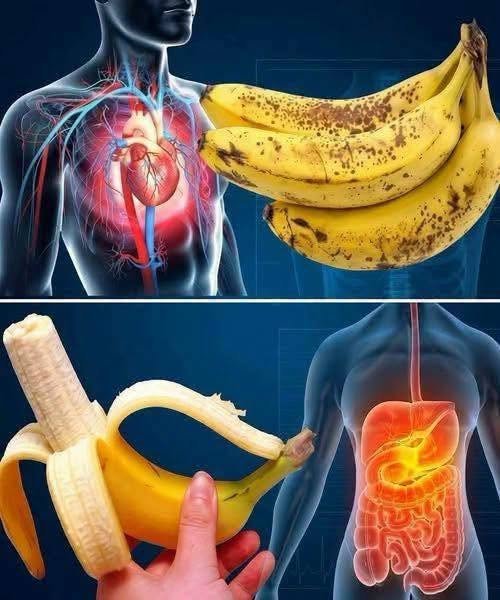
While the glowing image paints a picture of perfect health, eating a banana late at night is not for everyone. Certain individuals may experience negative side effects.
1. People with Acid Reflux (GERD)
While bananas are generally low in acid, they are also very high in natural sugars and starches. In some people, eating a high-carbohydrate snack right before lying down can slow digestion and trigger a relaxation of the lower esophageal sphincter, leading to nighttime acid reflux and heartburn.
2. Diabetics and Insulin Resistance
For individuals with Type 2 diabetes, eating a banana late at night can cause a dangerous blood sugar spike while they are asleep. The body will then release a surge of insulin to compensate, which can lead to a crash (hypoglycemia) in the middle of the night, causing night sweats and poor sleep.
3. Individuals with IBS (Irritable Bowel Syndrome)
Bananas contain fermentable carbohydrates (FODMAPs). For people with severe IBS or small intestinal bacterial overgrowth (SIBO), a nighttime banana can ferment in the gut, leading to severe bloating, gas, and abdominal pain that disrupts sleep.
The Golden Rule: How to Eat a Banana in the Evening
If you want to harness the glowing, sleep-promoting benefits of the evening banana without the risk of weight gain or digestive distress, you must follow these strategic guidelines.
1. The Pairing Strategy (Slowing the Glycemic Response)
Never eat a banana alone at night. The key is to pair it with a source of protein and healthy fat. This slows gastric emptying and ensures a slow, steady release of glucose into the bloodstream.
Banana + Peanut Butter/Almond Butter: The healthy fats and protein stabilize blood sugar.
Banana + Greek Yogurt: The protein and probiotics support the gut and promote fullness.
Banana + A handful of Almonds: The magnesium in the almonds works synergistically with the banana to relax the muscles.
2. The Portion Size
A large banana can be over 120 calories and high in sugar. Stick to a small or medium banana, or eat only half a banana if you are trying to lose weight.
3. The Timing
Eat your evening banana at least 1 to 2 hours before you go to sleep. This gives your digestive system time to process the fruit before you lie down flat.
4. Choose the Right Ripeness
For an evening snack, choose a banana that is just yellow or has very few spots. Avoid the fully brown, mushy bananas at night, as these will cause a rapid spike in blood sugar.
Conclusion: The Verdict on the Evening Banana
The image of the glowing banana sending energy to the brain, heart, and muscles is not just a piece of internet hyperbole; it is a highly accurate representation of the fruit’s incredible nutritional profile. Eating a banana in the evening can indeed increase your sleep quality by providing the body with the exact building blocks it needs to produce melatonin, relax the muscles, and regulate blood pressure.
However, if you are sedentary, diabetic, or prone to acid reflux, eating a highly ripe banana right before bed can increase your risk of weight gain, blood sugar spikes, and digestive distress. The truth lies in the context. By choosing the right ripeness, pairing the fruit with a healthy fat or protein, and maintaining proper timing, the evening banana can become one of the most powerful, natural tools for restorative sleep and cardiovascular health.
Frequently Asked Questions
Does eating a banana before bed make you fat?
Not if eaten in moderation and as part of a balanced diet. However, bananas contain natural sugars. If you eat a large, ripe banana right before falling asleep without any physical activity, the excess calories may be stored as fat. Pairing it with protein and eating it 1-2 hours before bed can prevent this.
Does a banana help you sleep?
Yes. Bananas are rich in tryptophan (which converts to serotonin and melatonin), Vitamin B6, magnesium, and potassium. This combination helps relax the muscles and promotes a restful night’s sleep.
Are bananas good for nighttime leg cramps?
Yes. The high potassium and magnesium content in bananas helps relax the muscles and regulate nerve function. Eating a banana before bed is a widely recommended natural remedy for preventing nocturnal leg cramps.
Can I eat a banana at night if I have diabetes?
You should be cautious. Bananas are high in carbohydrates and can cause a blood sugar spike. Diabetics should choose a smaller, less ripe banana, pair it with a protein or healthy fat (like nuts), and monitor their blood sugar levels closely.
What is the best time to eat a banana?
The best time depends on your goals. In the morning, it provides quick energy to start the day. Pre-workout, it serves as an excellent source of fuel. At night (1-2 hours before bed), it can promote sleep and muscle relaxation.
Does the ripeness of a banana matter for sleep?
Yes. A very ripe, spotted banana has high sugar content, which can cause a rapid blood sugar spike and crash, potentially waking you up. A slightly yellow banana has more resistant starch, which digests more slowly and keeps blood sugar stable.
Why do some people get bloated from eating bananas at night?
Bananas contain fermentable carbohydrates. When eaten late at night, digestion slows down, and the bacteria in the gut ferment these carbs, leading to gas and bloating. People with IBS are more sensitive to this.
Does the image show the banana affecting the brain?
Yes. The glowing energy traveling to the brain in the image represents the pathway of tryptophan. Once consumed, tryptophan crosses the blood-brain barrier and is converted into serotonin and melatonin, which regulate mood and the sleep-wake cycle.