Eating Bananas in the Evening: Does It Actually Help You Sleep, or Increase Belly Fat?
This comprehensive two-part guide will decode the science of the evening banana. We will explore the exact physiological journey of the banana’s nutrients through your body, separate the myths from the medical facts, and provide you with the perfect strategies for consuming bananas at night to maximize your health and minimize your waistline.
The Nutritional Anatomy: What Makes a Banana Glow?
To understand the glowing diagram, we must first understand the nutritional composition of the fruit. A medium-sized banana is a complex biological package.
Carbohydrates: A medium banana contains about 27 grams of carbohydrates, primarily in the form of starches and natural sugars (fructose, glucose, and sucrose).
Potassium: A massive 422 mg of potassium, a critical electrolyte.
Magnesium: About 32 mg, which assists in muscle relaxation.
Vitamin B6: A powerhouse for the nervous system, providing about 25% of your daily needs.
Tryptophan: An amino acid that is a precursor to serotonin and melatonin.
The Glowing Brain and Muscles: The Sleep Connection
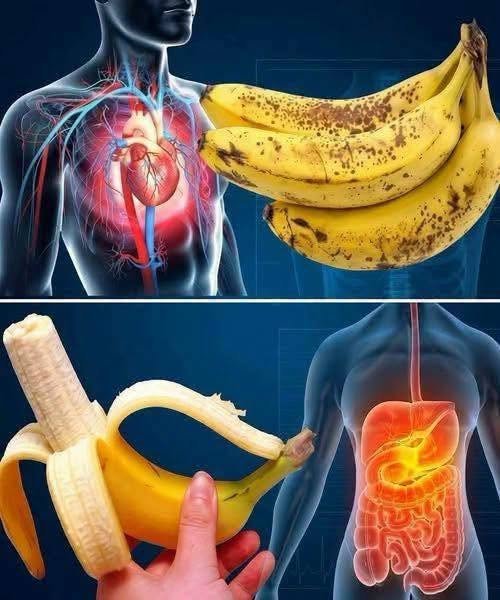
The text “Eating bananas in the evening increases your…” is most commonly completed with the word sleep quality. The glowing energy traveling to the brain and muscles in the image perfectly illustrates this mechanism.
The Tryptophan-Melatonin Pathway
Tryptophan is an essential amino acid that the body cannot produce on its own. When you eat a banana, the tryptophan travels to the brain. The brain converts it into serotonin, the “feel-good” neurotransmitter that regulates mood. As darkness falls, the pineal gland converts serotonin into melatonin, the hormone that makes you feel sleepy and regulates your circadian rhythm.
Furthermore, the high dose of Vitamin B6 in the banana acts as a crucial cofactor. Without B6, the body cannot efficiently convert tryptophan into serotonin.
The Muscle Relaxants
The glowing energy hitting the muscular system represents the incredible synergy of potassium and magnesium. These two minerals are nature’s most potent muscle relaxants. When consumed before bed, they help alleviate the tension in the muscles and prevent the agonizing nighttime leg cramps that many people suffer from.
The Heart and Gut Connection: Cardiovascular Benefits
The glowing energy flowing through the digestive tract and into the heart highlights the cardiovascular and digestive benefits of the fruit.
The Heart: Blood Pressure Regulation
The banana is virtually sodium-free but incredibly rich in potassium. The heart relies on a delicate balance of these two electrolytes. Potassium helps relax the walls of the blood vessels, lowering blood pressure and reducing the strain on the cardiovascular system.
The Gut: The Fiber and Prebiotic Effect
A banana contains about 3 grams of fiber, including pectin. This fiber helps regulate the digestive system. Furthermore, bananas contain prebiotics, which feed the beneficial bacteria in your gut microbiome. A healthy gut is directly linked to improved sleep and mood.
The Dark Side: Does Eating a Banana at Night Cause Weight Gain?
Now, we must address the “Show more” of the viral prompt. Many people believe that eating a banana at night increases belly fat. Is there truth to this?
The Sugar Spike
A banana is rich in carbohydrates and natural sugars. If you are a sedentary person who eats a banana and immediately goes to sleep, your body does not need that quick energy. The liver will process the excess glucose and store it as glycogen. Once the glycogen stores are full, the excess sugar is converted into triglycerides and stored as body fat.
The Ripeness Factor
The ripeness of the banana matters significantly. A green banana is high in resistant starch, which does not spike blood sugar. A very ripe, spotted brown banana is almost entirely simple sugar, which will cause a rapid insulin spike before bed. This insulin spike can disrupt sleep and promote fat storage.