Dry Mouth at Night: 8 Medical Reasons You Shouldn’t Ignore
Meta Description: Waking up with a dry mouth is more than just a nuisance. Discover the 8 medical and lifestyle reasons behind nocturnal dry mouth, from sleep apnea to acid reflux, and how to treat it.
Introduction
Waking up with a parched mouth, a sticky tongue, and a desperate need for water is a common experience. Medically known as nocturnal xerostomia, dry mouth at night occurs when your salivary glands do not produce enough saliva while you sleep.
Saliva is crucial for oral health; it washes away bacteria, neutralizes acids, and prevents tooth decay. Chronic dry mouth at night is not just uncomfortable—it can lead to bad breath, gum disease, and cavities. More importantly, it can be a warning sign of an underlying health issue.
Here are the 8 primary reasons why you might be experiencing dry mouth at night.
1. Mouth Breathing and Nasal Congestion
The most common cause of nighttime dry mouth is simply breathing through your mouth instead of your nose. When you sleep with your mouth open, the airflow evaporates the saliva in your mouth.
The Cause: This often happens due to nasal congestion from allergies, a cold, a sinus infection, or a structural issue like a deviated septum. When your nasal passages are blocked, your body automatically switches to mouth breathing to get enough oxygen.
2. Obstructive Sleep Apnea (OSA)
If your dry mouth is accompanied by loud snoring, gasping for air, or waking up feeling unrefreshed, you may have Obstructive Sleep Apnea.
The Connection: Sleep apnea causes the airway to repeatedly collapse during sleep. To compensate, you are forced to breathe heavily through your mouth. This constant, heavy airflow dries out the oral tissues rapidly. Sleep apnea is a serious medical condition that requires evaluation by a sleep specialist.
3. Acid Reflux (GERD)
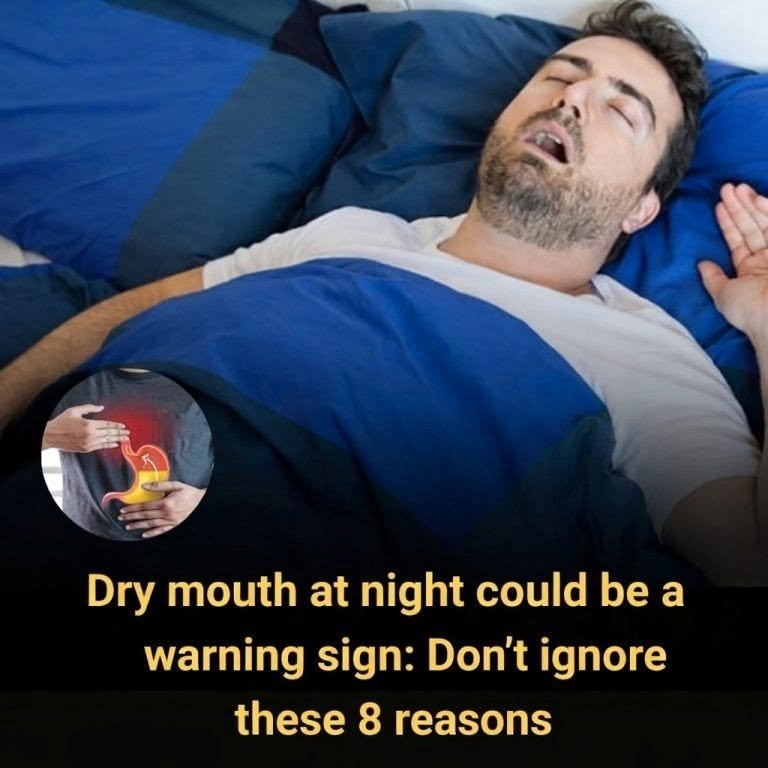
As highlighted in the inset of the image, Gastroesophageal Reflux Disease (GERD) is a major culprit for nighttime dry mouth.
The Connection: When you lie flat, stomach acid can travel up the esophagus and reach the back of the throat. This acid irritates the delicate tissues of the mouth and throat. The body’s natural response to this irritation is often to alter saliva production, and the acid itself can leave a bitter, dry, or metallic taste in the mouth upon waking.
4. Medication Side Effects
Hundreds of prescription and over-the-counter medications list dry mouth as a primary side effect.
Common Culprits: Antihistamines, decongestants, antidepressants, anti-anxiety medications, diuretics (water pills), and blood pressure drugs. These medications can inhibit the nervous system signals that tell the salivary glands to produce fluid. If you take medications before bed, this effect is often most noticeable in the morning.
5. Dehydration and Lifestyle Habits
Your body needs adequate water to produce saliva. If you are not drinking enough fluids throughout the day, your salivary glands will slow down production at night to conserve water.
Lifestyle Factors: Consuming alcohol or caffeine in the evening significantly worsens this. Both are diuretics, meaning they cause your body to lose water. Alcohol also acts as a central nervous system depressant, which relaxes the throat muscles and promotes mouth breathing and snoring.
6. Underlying Medical Conditions
Chronic dry mouth can be a symptom of systemic health issues:
Diabetes: High blood sugar causes frequent urination, leading to dehydration and dry mouth. It is often one of the earliest warning signs of diabetes.
Sjögren’s Syndrome: This is an autoimmune disorder where the immune system mistakenly attacks the glands that produce moisture, specifically the salivary and tear glands, leading to severe dry mouth and dry eyes.
7. The Natural Aging Process
As people get older, the body’s physiological functions naturally slow down. The salivary glands often produce less saliva, and the composition of the saliva changes. Furthermore, older adults are more likely to take multiple medications (polypharmacy), which compounds the drying effect.
8. Dry Bedroom Environment
Sometimes the cause is purely environmental. If you sleep in a room with very low humidity, the dry air will pull moisture from your mouth and respiratory tract.
The Cause: This is especially common during the winter when indoor heating systems are running, or in the summer when air conditioners are blowing cold, dry air directly into the room.
How to Prevent and Treat Nighttime Dry Mouth
If you are tired of waking up thirsty, try these evidence-based strategies:
Use a Humidifier: Add moisture to the air in your bedroom, especially if you use heating or air conditioning.
Stay Hydrated: Drink plenty of water throughout the day, but reduce fluid intake an hour before bed to prevent bathroom trips.
Clear Your Nasal Passages: Use saline nasal sprays, nasal strips, or a neti pot before bed to encourage nose breathing.
Elevate Your Head: If acid reflux is the cause, sleep with your head and shoulders elevated on a wedge pillow to keep stomach acid down.
Avoid Evening Triggers: Cut out alcohol, caffeine, and salty foods at least 3 hours before bedtime.
Use Saliva Substitutes: Over-the-counter dry mouth mouthwashes (like Biotene) or oral moisturizing gels can coat the mouth and provide relief throughout the night.
When to See a Doctor
Occasional dry mouth is normal, especially if you have a cold. However, you should consult a doctor or dentist if:
The dry mouth is persistent and does not improve with home remedies.
You have difficulty swallowing or chewing.
You notice an increase in cavities or gum disease.
You experience other symptoms like extreme thirst, frequent urination, or loud snoring/gasping at night.
Conclusion
Waking up with a dry mouth is your body’s way of signaling that something is disrupting your oral moisture balance. Whether it is as simple as a dry bedroom or as complex as sleep apnea or acid reflux, identifying the root cause is essential. By addressing the underlying reason, you can protect your teeth, improve your sleep quality, and wake up feeling refreshed.
Disclaimer: This article is for informational and educational purposes only and does not constitute professional medical advice. If you are experiencing chronic dry mouth or suspect you have sleep apnea or GERD, please consult a healthcare provider for a proper evaluation and diagnosis.