Demystifying the Object Under the Bed: A Complete Guide to Ben Wa Balls and Kegel Weights
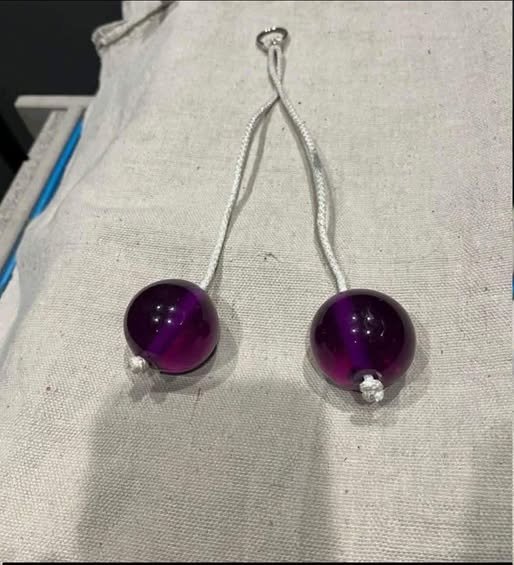
Discovering an unfamiliar object in a personal space—whether it is under a bed, tucked into a drawer, or hidden in a closet—can instantly spark a wave of curiosity, confusion, and sometimes even concern. When the object in question is a pair of weighted, connected spheres, the mystery can be particularly perplexing. The image in question shows two deep purple, polished spheres connected by a braided string with a small loop at the top and knots at the base of each ball.
While it might look like a piece of obscure jewelry, a stress-relief tool, or an unusual decorative item, this object has a very specific, well-documented purpose. It is a set of Kegel balls, also commonly known as Ben Wa balls, geisha balls, or vaginal weights. These devices are dual-purpose tools used for both pelvic floor muscle training and sexual wellness. They are designed to be inserted into the vagina to provide gentle resistance, helping the user perform Kegel exercises and strengthen the pelvic floor.
For anyone who has stumbled upon these devices, the initial reaction is often a mix of confusion and a desire to understand. This comprehensive guide will explain exactly what these objects are, the science behind how they work, their history, the health benefits they offer, and the important safety and hygiene practices associated with their use. Whether you are the one who found them or simply seeking to understand this common wellness product, this article will provide a thorough, judgment-free explanation of a tool that plays a significant role in women’s health.
Identifying the Object: What Are Kegel Balls?
To understand the object in the image, it is essential to first define its purpose. Kegel balls are small, weighted spheres, typically made of medical-grade silicone, glass, metal, or polished stone. They are designed to be inserted into the vaginal canal.
The set in the image features two spheres connected by a string. This string serves a very practical purpose: the retrieval cord. It ensures that the balls can be easily and safely removed after use, preventing them from getting lost inside the vaginal canal. The loop at the top is designed to sit comfortably outside the body, making removal straightforward and hygienic. The knots at the base of each sphere secure the cord to the balls.
The Anatomy of the Device
A standard set of Kegel balls consists of three main components:
The Spheres: These are the weighted balls themselves. They vary in size and weight, usually ranging from 20 grams to over 100 grams. The purple color in the image suggests they are likely made of polished glass, amethyst stone, or a high-quality coated silicone.
The Retrieval Cord: This is the braided string attached to the balls. It is usually made of a non-porous, body-safe material that can be easily cleaned.
The Internal Weights (Optional): Many higher-end Kegel balls contain a smaller, loose weight inside the outer sphere. When the user moves, this inner weight shifts, creating a subtle vibration. This gentle internal movement triggers a reflex contraction of the pelvic floor muscles, making them work without the user even having to consciously squeeze.
The Science of the Pelvic Floor: Why Are These Balls Used?
The primary purpose of Kegel balls is to tone and strengthen the pelvic floor muscles. To understand why this is important, it helps to visualize these muscles.
What Is the Pelvic Floor?
The pelvic floor is a hammock-like group of muscles that stretches from the pubic bone at the front to the tailbone at the back. It acts as a supportive sling for the bladder, uterus, and rectum. These muscles play a critical role in controlling urination, bowel movements, and supporting the internal organs.
The Problem of Weak Pelvic Floor Muscles
When the pelvic floor muscles become weak or stretched, a condition known as pelvic floor dysfunction can occur. This can happen for a variety of reasons:
Childbirth: Pregnancy and vaginal delivery are the most common causes of pelvic floor strain.
Aging: Muscle tone naturally decreases as we age.
Surgery: Procedures like hysterectomies can affect pelvic floor integrity.
High-Impact Activities: Repeated straining from heavy lifting or high-impact sports.
Obesity: Excess weight puts constant pressure on the pelvic floor.
Chronic Coughing: Conditions like asthma or smoking can weaken the muscles over time.
Weak pelvic floor muscles can lead to a range of uncomfortable and disruptive symptoms, including urinary incontinence (leaking urine when sneezing, coughing, or laughing), pelvic organ prolapse, and reduced sexual sensation.
How Kegel Balls Work
The concept behind Kegel balls is simple biomechanics. When you place a weighted object in the vagina, the pelvic floor muscles naturally contract to hold it in place. This is known as resistance training. Just as you would lift a dumbbell to strengthen your biceps, the pelvic floor muscles lift the weight of the Kegel balls to build strength and endurance.
The presence of the balls provides a tactile feedback loop. The user becomes acutely aware of the muscles they need to squeeze. The goal is to hold the balls in place for a set period, actively engaging the pelvic floor. Over time, as the muscles grow stronger, the user can move to heavier weights to continue challenging the muscles.
The Dual Purpose: Health and Pleasure
While Kegel balls are widely recognized as a medical and fitness tool, they also serve a significant role in sexual wellness.
Medical and Health Benefits
The health benefits of regular pelvic floor training are well-documented in medical literature. These include:
Reduced Urinary Incontinence: Strengthening the pelvic floor is a first-line treatment for stress and urge incontinence.
Postpartum Recovery: Kegel exercises are routinely recommended by obstetricians to help women recover from childbirth and prevent long-term pelvic floor issues.
Pelvic Organ Prolapse Prevention: Strong muscles provide better support for the uterus and bladder, reducing the risk of prolapse.
For many women, Kegel balls are not just about health; they are also about enhancing sexual pleasure.
Increased Sensation: Stronger pelvic floor muscles can lead to more intense orgasms and increased vaginal sensation during intercourse.
Arousal: The physical sensation of wearing the balls, combined with the awareness of the pelvic floor, can increase blood flow to the area and heighten arousal.
Partner Play: Some couples incorporate Kegel balls into their intimate play. The internal vibration of the weights can be felt by both partners during penetrative sex, enhancing the experience for both.
It is important to note that while Kegel balls are designed for pleasure, their primary design function is therapeutic. They are not a replacement for medical advice if a woman is experiencing severe pelvic pain or dysfunction.
A Brief History of Ben Wa Balls
The history of these spheres is as fascinating as it is long. The modern Kegel ball has its roots in ancient practices, though the exact origins are somewhat shrouded in myth and legend.
Eastern Origins and the “Geisha Ball”
The most popular legend traces the origins of Ben Wa balls to ancient Eastern cultures, particularly Japan, where they were purportedly used by geishas. According to folklore, geishas would insert these weighted spheres to strengthen their pelvic muscles, allowing them to provide more pleasure to their clients. While this is a widely circulated story, historical evidence for this specific practice is scarce, and it is likely a blend of fact and romanticized fiction.
The Medicalization of the Device
The modern medical use of Kegel balls can be traced to the mid-20th century, specifically to the work of Dr. Arnold Kegel. Dr. Kegel, an American gynecologist, developed a series of exercises to help women strengthen their pelvic floor muscles and treat urinary incontinence. He initially used a device called a perineometer to measure the strength of the muscles. Over time, the concept of using weighted devices for resistance training evolved into the Kegel balls we know today.
Today, Kegel balls are widely available as over-the-counter wellness products. They have moved from being a niche, somewhat taboo item to a mainstream health and wellness tool, sold in pharmacies, online retailers, and specialty boutiques.
Safety and Hygiene: Crucial Rules for Use
Because Kegel balls are inserted into the body, proper safety and hygiene practices are absolutely essential. Neglecting these rules can lead to infections or injury.
Choosing the Right Material
The material of the Kegel balls matters greatly for safety and comfort. The set in the image, with its polished, vibrant look, is likely made of glass, polished stone (like amethyst), or a high-quality medical-grade silicone.
Medical-Grade Silicone: This is the most common and safest material. It is non-porous, hypoallergenic, and easy to clean. However, silicone can harbor bacteria if not washed properly, so it must be cleaned thoroughly after every use.
Glass: Glass balls are completely non-porous, meaning they will not harbor bacteria. They are also very easy to clean and can be warmed or cooled for sensory play. However, they must be checked regularly for chips or cracks.
Stone (e.g., Amethyst): Natural stone balls are beautiful and non-porous. However, they can be heavy, and it is crucial to ensure they are polished perfectly smooth to avoid micro-abrasions.
Metal: Stainless steel or aluminum balls are extremely durable and easy to sterilize. They are heavy, so they are usually recommended for advanced users.
Cleaning and Maintenance
Proper cleaning is non-negotiable.
Before and After Use: Wash the balls thoroughly with warm water and a mild, unscented, antibacterial soap.
Drying: Dry them completely with a clean, lint-free towel before storage. Moisture can encourage bacterial growth.
Storage: Store them in a clean, dry, breathable pouch or container. Do not store them in an airtight plastic bag, as this can trap moisture.
The Retrieval Cord
The braided string attached to the balls is an essential safety feature. It ensures that the balls can be easily removed. When inserting the balls, ensure the string is securely outside the body. If the string is made of a porous material, it must also be cleaned thoroughly. If the string breaks or becomes frayed, the balls should be discarded, as they pose a risk of getting stuck.
How to Use Kegel Balls Correctly
If you are the user, or if you are simply curious about the mechanics, it is helpful to understand the proper way to use these devices.
Preparation: Wash your hands thoroughly with soap and water. Wash the balls as described above. Apply a generous amount of water-based lubricant to the balls. (Note: Do not use silicone-based lubricant with silicone balls, as it can degrade the material).
Insertion: Relax your pelvic floor muscles. Gently insert the balls into the vagina, pushing them in as far as is comfortable. Ensure the retrieval cord remains outside the body.
Engaging the Muscles: Once inserted, squeeze the pelvic floor muscles as if you are trying to stop the flow of urine or hold in gas. Hold the squeeze for a few seconds, then relax.
Wearing Them: The balls can be worn while walking, standing, or doing light activities. The natural movement of the body will cause the internal weights to shift, prompting the muscles to contract automatically.
Removal: Never pull the cord forcefully. Relax the pelvic floor muscles completely, and gently tug on the cord to guide the balls out. Wash the balls and your hands immediately after removal.
What to Do If You Find Them: A Guide to Communication
If you are the partner who found these objects, it is completely natural to have questions. The most important thing to remember is that Kegel balls are a standard personal wellness product, similar to a yoga block or a foam roller.
Approaching the Conversation
If you choose to bring it up, approach the conversation with curiosity and without judgment. You might say something like, “Hey, I found these under the bed. They look like they might be for pelvic floor exercises. I just wanted to make sure you weren’t looking for them.”
This approach is non-confrontational and respectful. It acknowledges the object’s purpose (pelvic floor health) and shows that you are not jumping to conclusions. Many women use these devices for purely medical reasons, such as postpartum recovery or incontinence, and it is important to respect that privacy.
Respecting Privacy
Ultimately, personal wellness tools are just that: personal. If your partner does not wish to discuss it, it is important to respect their boundaries. The presence of Kegel balls is a sign that someone is taking an active interest in their pelvic health, which is a positive thing.
Conclusion: A Tool for Wellness and Empowerment
The object under the bed is not a mysterious or nefarious item. It is a set of Kegel balls, a widely used and medically recognized tool for pelvic floor health and sexual wellness. The image—featuring two polished purple spheres connected by a braided retrieval cord—perfectly illustrates the classic design of these devices.
For the user, they represent a commitment to physical health and bodily autonomy. For the curious partner, they offer an opportunity to learn something new about women’s health. By understanding the science behind the pelvic floor, the history of these devices, and the crucial rules of hygiene and safety, we can demystify an object that is too often shrouded in silence. Pelvic floor health is a vital part of overall well-being, and Kegel balls are simply one of the many tools available to support a healthy, active, and fulfilling life.
Frequently Asked Questions
What are Ben Wa balls?
Ben Wa balls, also known as Kegel balls or vaginal weights, are small, weighted spheres designed to be inserted into the vagina. They are used to strengthen the pelvic floor muscles through resistance training and are also used for sexual pleasure.
Why is there a string attached to the balls?
The string is a retrieval cord. It ensures that the balls can be easily and safely removed after use. The cord sits outside the body and allows the user to gently pull the balls out without having to reach inside.
Are Kegel balls safe to use?
Yes, when used correctly and cleaned thoroughly, they are safe. However, it is important to use body-safe materials (like medical-grade silicone, glass, or stone) and to follow proper hygiene practices. Never use them if you have an active vaginal infection or are experiencing pelvic pain.
Can they get stuck inside?
It is extremely rare for Kegel balls to get stuck if they have a retrieval cord. The vagina is a closed canal, and the cervix acts as a barrier. The retrieval cord is designed specifically to prevent this issue. However, if a ball without a cord is used and gets stuck, medical attention should be sought.
How often should I use Kegel balls?
It is generally recommended to use them for 15 to 20 minutes a day, a few times a week. As your muscles get stronger, you can increase the weight of the balls. It is important to listen to your body and not overdo it, as overtraining the pelvic floor can cause muscle fatigue and soreness.
Do Kegel balls actually work?
Yes. Numerous medical studies have shown that pelvic floor muscle training with weighted devices is effective in reducing symptoms of urinary incontinence and improving pelvic floor strength. They are widely recommended by gynecologists and physical therapists.
What is the difference between Kegel balls and Ben Wa balls?
The terms are often used interchangeably. However, historically, “Ben Wa balls” referred to smaller, solid metal or glass balls used for sexual pleasure and sensation. “Kegel balls” is a more modern medical term that refers to the weighted devices specifically designed for pelvic floor training.
How do I clean them?
Wash them with warm water and a mild, unscented, antibacterial soap before and after every use. Dry them completely with a clean towel. If they are made of silicone, ensure the soap does not contain harsh chemicals that can degrade the material.