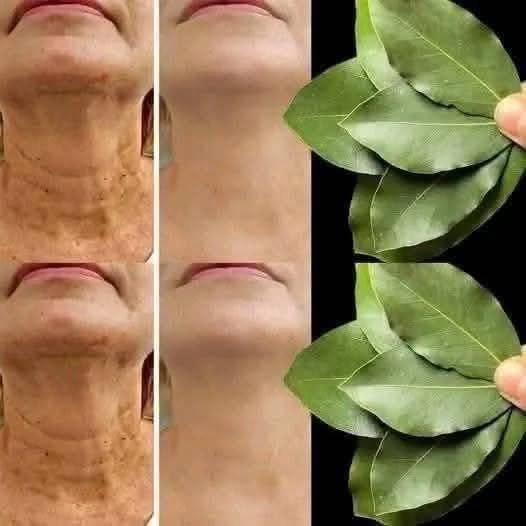
Dark Spots on the Face: The Natural Remedy in Your Fridge That Fades Hyperpigmentation
Remedy 4: Green Tea (The EGCG Powerhouse)
While it is typically consumed as a hot beverage, chilled green tea is a fantastic topical treatment for hyperpigmentation.
How it Works: Green tea is loaded with a compound called Epigallocatechin Gallate (EGCG). EGCG is a powerful antioxidant and anti-inflammatory agent. Studies have shown that green tea extract can effectively reduce the appearance of melasma and other types of hyperpigmentation. It works by inhibiting the activity of the tyrosinase enzyme and reducing the inflammation that leads to excess pigment production.
How to Use It:
Brew a cup of pure green tea (avoid teas with added flavors or sugars) and let it cool completely in the refrigerator.
Soak a cotton pad in the chilled tea and apply it directly to the dark spots, or use it as a facial toner.
Leave it on for 10-15 minutes, then rinse.
Alternatively, you can place the used, chilled tea bags directly onto your dark spots for 10 minutes.
You can also mix a few drops of cooled green tea into your daily moisturizer to create a custom antioxidant cream.
Remedy 5: The Citrus Dilemma (Lemon and Lime) – Proceed with Extreme Caution
No discussion of natural remedies for dark spots is complete without mentioning lemon juice. It is perhaps the most frequently cited “fridge remedy” on the internet due to its high Vitamin C and citric acid content.
How it Works: Lemon juice is highly acidic and contains Vitamin C, which can lighten the skin and exfoliate dead cells. In theory, it is a potent brightening agent.
The Crucial Warning: While lemon juice can fade spots, it is highly phototoxic. This means it makes your skin extremely sensitive to the sun. If you apply lemon juice to your face and then step into the sun, you risk causing severe burns, blistering, and worsening your hyperpigmentation (a condition called phytophotodermatitis). For this reason, it is highly recommended to avoid putting raw lemon juice directly on your face. If you must use it, do so only at night, dilute it heavily with water, use it sparingly, and ensure you wear a high-SPF sunscreen the following day. Many dermatologists advise against using raw citrus on the face altogether.
Remedy 6: Apple Cider Vinegar (The Acidic Tonic)
Apple Cider Vinegar (ACV) is another popular natural remedy. It contains acetic acid, which can gently exfoliate the skin.
How it Works: Like lactic acid, the acetic acid in ACV helps to remove the top layer of dead, pigmented skin cells. It also has some antibacterial properties.
How to Use It:
Never use ACV undiluted, as it is too acidic and can burn the skin.
Mix one part ACV with three parts water.
Dab the diluted mixture onto the dark spots using a cotton ball.
Leave it on for 5 minutes, then rinse thoroughly with cool water.
Do not use it every day; start with once or twice a week to see how your skin reacts.
How to Safely Add Natural Remedies to Your Cream
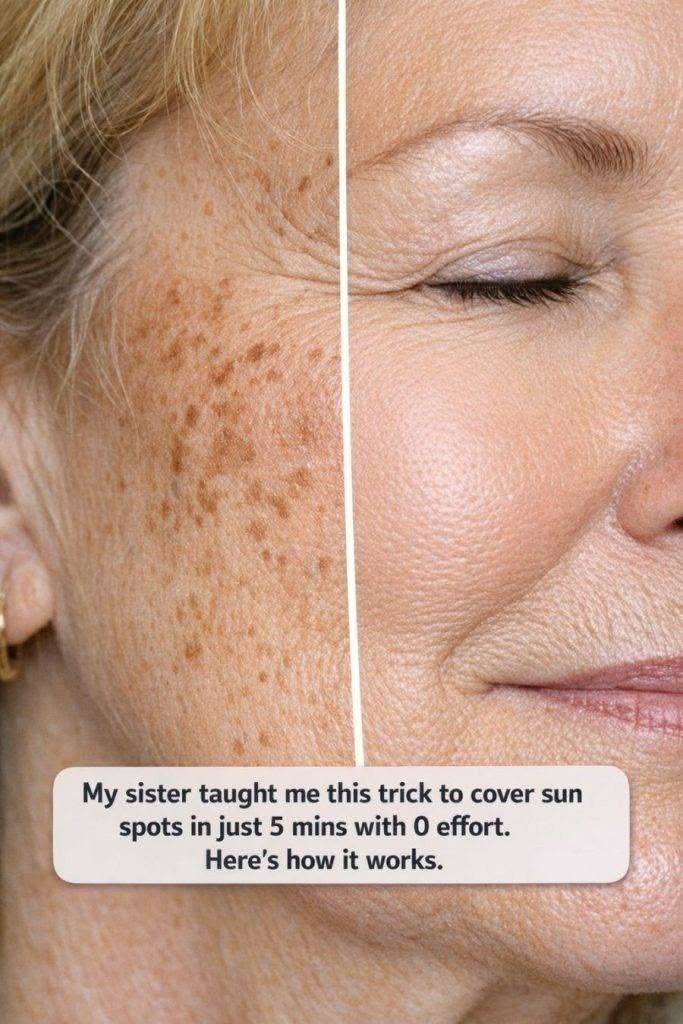
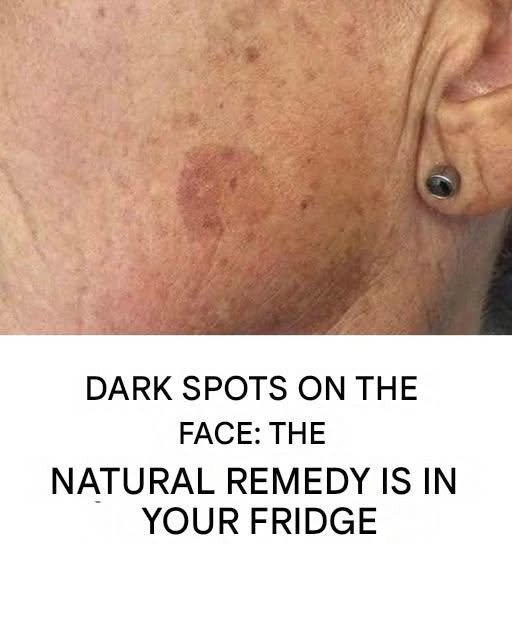
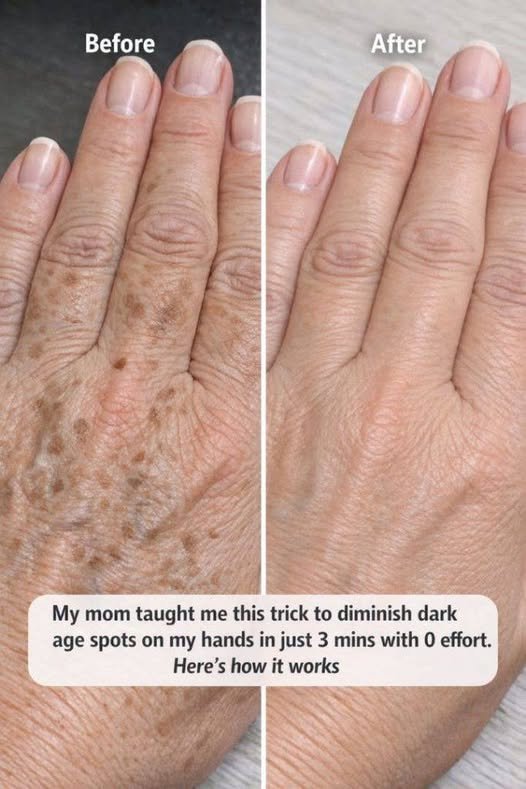
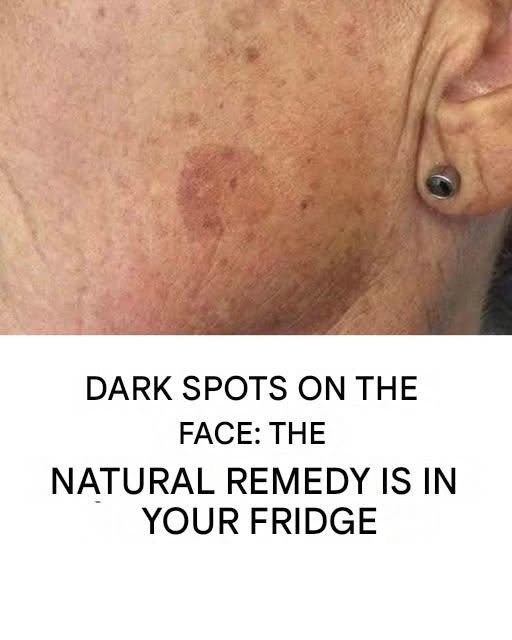
The viral image specifically suggests adding the remedy “to your cream.” This is an excellent strategy, as it allows you to combine the brightening power of the natural ingredient with the moisturizing and barrier-repairing benefits of your favorite lotion.
The Mixing Rule: Do not mix large batches of a natural ingredient into a tub of your face cream. Natural ingredients lack chemical preservatives, meaning they can quickly grow bacteria and mold, spoiling your entire jar of cream. Instead, mix a single application at a time.
For example, squeeze a dollop of your daily moisturizer into the palm of your hand, and add 2-3 drops of potato juice or a small scoop of Aloe Vera gel. Mix it with your finger and apply immediately. This ensures you get the fresh, active benefits of the ingredient without compromising the stability of your cream.
The Non-Negotiable Factor: Sunscreen
No natural remedy, no matter how potent, will work if you are not diligent about sun protection. As mentioned earlier, UV rays are the primary trigger for melanin production. If you spend hours in the sun without protection, your skin will continuously produce new pigment, effectively canceling out any fading you achieved with your fridge remedies.
You must apply a broad-spectrum sunscreen with an SPF of 30 or higher every single day, regardless of whether it is sunny or cloudy. UV rays can penetrate clouds and windows. You also need to reapply it every two hours if you are outdoors. If you are actively treating dark spots, using a sunscreen that contains physical blockers like zinc oxide or titanium dioxide is often preferred, as they provide excellent protection without irritating sensitized skin.
When to See a Dermatologist
While these natural remedies are highly effective for treating superficial hyperpigmentation, they are not a cure-all. It is crucial to recognize when a dark spot warrants professional medical attention.
You should consult a dermatologist if:
The spot changes shape, size, or color rapidly.
The spot has irregular borders or multiple colors within it.
You experience itching, bleeding, or pain from the spot.
The hyperpigmentation is deep and does not respond to months of gentle, consistent home treatment.
You suspect you have melasma, as this often requires prescription-strength topical treatments (like hydroquinone) or professional procedures to manage effectively.
Remember, while we focus on the cosmetic aspects of dark spots, they can sometimes be a sign of skin cancer (melanoma). Any changing spot should always be evaluated by a medical professional.
Conclusion: Reclaiming Your Radiance Naturally
The viral image promises that the remedy for dark spots is hiding in your fridge, and the science supports this claim. The natural world is filled with incredibly potent ingredients that can gently and effectively fade hyperpigmentation. From the melanin-inhibiting enzymes in a simple potato to the exfoliating lactic acid in yogurt, these everyday items offer a safe, affordable, and accessible alternative to expensive commercial treatments.
By understanding the science of hyperpigmentation and choosing the right ingredients for your skin type, you can incorporate these remedies into your daily routine. Whether you are mixing a few drops of green tea into your night cream or applying a soothing mask of pure Aloe Vera, consistency is key. It takes time for the skin to cycle and for the excess melanin to be shed. However, with patience, a commitment to sun protection, and the power of your refrigerator, those dark spots will fade. You can achieve a brighter, clearer, and more even complexion, proving that sometimes, the best skincare secrets are the ones you can eat.
Frequently Asked Questions
What is the absolute fastest way to fade dark spots using fridge ingredients?
The fastest results usually come from combining gentle exfoliation with pigment inhibition. Applying a thin layer of plain yogurt (lactic acid) to exfoliate dead cells, followed by a potato juice application (enzyme inhibitor), a few times a week, is a highly effective combination. However, “fast” in skincare usually means 4 to 8 weeks.
Can lemon juice really remove dark spots?
Lemon juice contains Vitamin C and citric acid, which can lighten skin. However, it is highly phototoxic. It makes the skin extremely sensitive to the sun, which can actually cause worse hyperpigmentation, burns, and blisters. It is generally safer to use less irritating sources of Vitamin C or to use lemon juice only at night, heavily diluted, and with strict sun avoidance the next day.
Is it safe to use these natural remedies every day?
It depends on the ingredient. Potato juice and green tea are very gentle and can be used daily. Yogurt and diluted Apple Cider Vinegar are exfoliants and should be used 2-3 times a week to avoid over-exfoliating and damaging the skin barrier. Always do a patch test on your inner arm before applying a new ingredient to your face.
Can I mix potato juice into my whole tub of face cream?
No. Natural ingredients like potato juice do not contain preservatives. If you mix them into a large tub of cream, bacteria will quickly grow, and the product will spoil. Always mix the natural ingredient into a single application of cream in the palm of your hand right before applying.
How long does it take for natural remedies to fade dark spots?
Because natural remedies work gently and gradually, you should expect to see noticeable results within 4 to 8 weeks of consistent use. Deep pigmentation, such as melasma or old acne scars, may take several months to fade significantly.
Why is sunscreen so important when treating dark spots?
Sun exposure is the primary trigger for melanin production. If you use natural remedies to fade spots but do not wear sunscreen, the UV rays will simply stimulate the skin to produce more melanin, counteracting all your hard work. Sunscreen is non-negotiable for fading hyperpigmentation.
Do these remedies work on melasma?
Melasma is a hormonal condition and is notoriously difficult to treat. While gentle remedies like Aloe Vera and green tea can help soothe the skin and slightly reduce pigmentation, they are rarely strong enough to cure melasma on their own. Melasma usually requires prescription treatments and strict sun protection.