Dark Spots on the Face: The Natural Remedy in Your Fridge That Fades Hyperpigmentation
Introduction: The Frustration of Hyperpigmentation and the Promise of a Kitchen Cure
There is perhaps nothing more frustrating in the realm of skincare than the stubborn persistence of dark spots. Whether they are the remnants of a sun-drenched childhood, the lingering aftermath of a stubborn acne breakout, or the shadowy patches of melasma triggered by hormonal shifts, hyperpigmentation has a way of making us feel self-conscious and defeated. We invest hundreds of dollars in high-end serums, undergo expensive laser treatments, and slather on layers of foundation, all in the hopes of achieving a clear, even complexion. Yet, despite our best efforts, those dark spots often remain, stubbornly clinging to the surface of our skin.
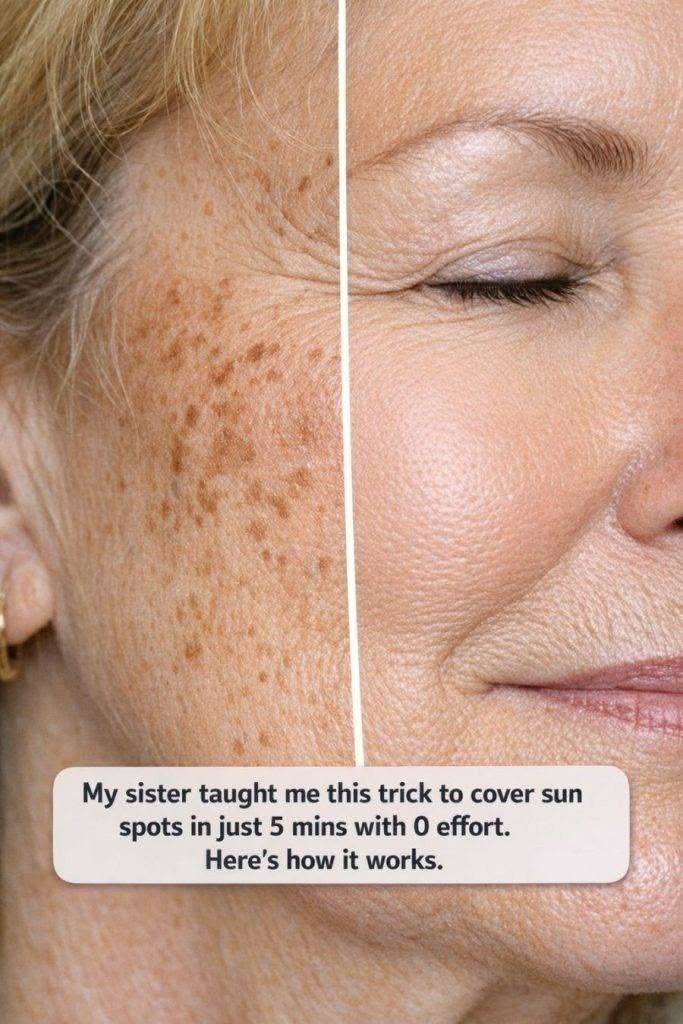
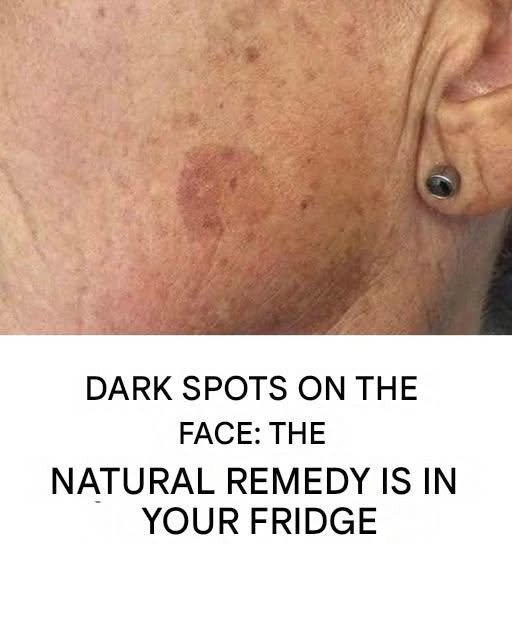
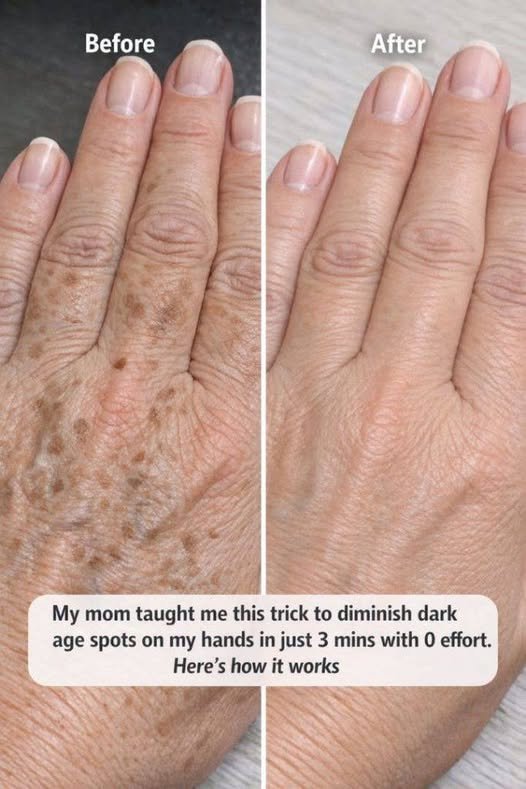
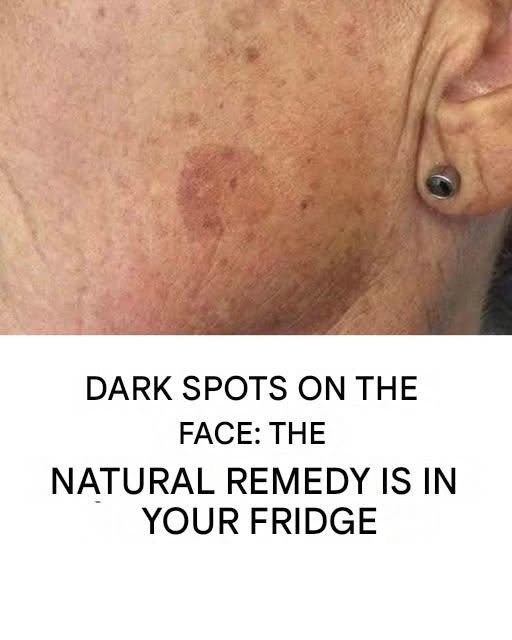
In the midst of this frustration, a viral claim offers a beacon of hope. An image circulating on social media shows a close-up of a cheek marked by significant hyperpigmentation, overlaid with the bold text: “DARK SPOTS ON THE FACE: THE NATURAL REMEDY IS IN YOUR FRIDGE.” The accompanying text promises that if you simply add this mystery ingredient to your cream, “blemishes on your face will be a distant memory.”
For many, this sounds too good to be true. We are conditioned to believe that effective skincare must come in expensive packaging and contain unpronounceable chemical compounds. However, the truth is that Mother Nature has provided us with a remarkable arsenal of ingredients that possess powerful skin-brightening, exfoliating, and antioxidant properties. These ingredients are not found in a high-end boutique; they are sitting right there in your refrigerator, waiting to be utilized.
This comprehensive two-part guide will explore the science behind the “fridge remedy” trend. We will identify the specific natural ingredients that have been scientifically shown to fade dark spots and even out skin tone. We will delve into the mechanisms by which they work, explain how to safely incorporate them into your existing skincare routine, and provide practical, step-by-step instructions for creating your own potent, natural brightening treatments at home. We will separate the legitimate botanical powerhouses from the old wives’ tales, empowering you to take control of your skin health using the simplest, most accessible ingredients available.
Understanding Dark Spots: The Science of Melanin
Before we can effectively treat dark spots, we must first understand what they are and why they form. The technical term for dark spots is hyperpigmentation. It is a condition in which patches of skin become darker in color than the normal surrounding skin.
The Role of Melanin and Melanocytes
The color of our skin is determined by a pigment called melanin, which is produced by specialized cells called melanocytes. Everyone has roughly the same number of melanocytes, but the amount and type of melanin they produce vary based on genetics. When the skin is exposed to certain triggers, the melanocytes go into overdrive, producing excess melanin. This excess pigment is then transferred to the surrounding skin cells (keratinocytes), resulting in a visible dark spot.
Common Triggers of Hyperpigmentation
Several factors can trigger this overproduction of melanin:
Sun Exposure: Ultraviolet (UV) radiation from the sun is the most significant trigger. It damages the skin and stimulates melanin production as a defense mechanism. This leads to freckles, sun spots (solar lentigines), and a general unevenness in skin tone.
Post-Inflammatory Hyperpigmentation (PIH): This occurs after an injury or inflammation to the skin, such as acne, eczema, a bug bite, or a burn. As the skin heals, it may produce excess melanin, leaving behind a dark mark.
Melasma: This is a specific type of hyperpigmentation often triggered by hormonal changes, such as those during pregnancy, menopause, or while taking birth control pills. It typically presents as large, symmetrical patches on the cheeks, forehead, and upper lip.
Aging: As we age, the skin becomes thinner, and years of cumulative sun exposure can lead to the development of age spots or liver spots.
To effectively fade these spots, a remedy must be able to interrupt the pigment production process, accelerate the shedding of pigmented skin cells, or protect the skin from further damage.
Why the Fridge? The Power of Natural Antioxidants and Acids
The viral claim points to the refrigerator as the source of the ultimate dark spot remedy. This is not just a random suggestion. Many of the foods we keep cold are rich in compounds that directly address the mechanisms of hyperpigmentation.
The Magic of Antioxidants
Many fresh fruits and vegetables are packed with antioxidants, particularly Vitamin C. Vitamin C is a crucial nutrient for skin health. It is a potent inhibitor of tyrosinase, the enzyme required for melanin production. By blocking this enzyme, Vitamin C can help prevent the formation of new dark spots and gradually lighten existing ones. Furthermore, antioxidants help neutralize free radicals caused by sun exposure and pollution, preventing them from triggering the inflammatory response that leads to PIH.
The Gentle Exfoliation of Natural Acids
Another powerful category of natural remedies includes Alpha Hydroxy Acids (AHAs), such as lactic acid and citric acid. These are naturally occurring acids found in many dairy products and fruits. AHAs work by loosening the “glue” that holds dead skin cells together. This promotes gentle exfoliation, revealing the fresh, undamaged skin underneath. Because hyperpigmentation often resides in the top layer of the skin, regular exfoliation with AHAs can significantly accelerate the fading process.
The Soothing Power of Plant Compounds
Chronic inflammation is a known trigger for hyperpigmentation. Many natural ingredients found in the fridge possess powerful anti-inflammatory properties. By calming the skin, these compounds help prevent the cascade of events that leads to excess melanin production.
The Top Fridge Remedies for Fading Dark Spots
While there are many ingredients touted online, a few stand out due to their scientifically backed efficacy. Here are the top natural remedies hiding in your refrigerator right now.
Remedy 1: The Humble Potato (The Enzyme Inhibitor)
If you are looking for the ultimate “grandmother’s secret,” look no further than the potato. While it seems unassuming, the potato is a powerhouse for fading dark spots.
How it Works: Potatoes are rich in an enzyme called catecholase. This enzyme has been shown to possess skin-lightening properties, though the mechanism is not entirely understood. It is believed that catecholase interferes with the production of melanin. Additionally, potatoes contain Vitamin C and are highly soothing, making them excellent for reducing the inflammation associated with acne scars. They also contain starch, which can temporarily tighten the skin.
How to Use It:
Take a fresh, raw potato and wash it thoroughly.
Peel the potato and cut it into thick slices or grate it to extract the juice.
If using slices, gently rub the raw potato slice directly onto the dark spots for about 5 to 10 minutes. Let the juice dry completely on the skin.
If using the juice, soak a cotton ball in the grated potato juice and apply it to the affected areas.
Leave it on for 15 to 20 minutes, then rinse thoroughly with cool water.
For best results, do this 3 to 4 times a week. You can also mix a few drops of potato juice into your daily face cream.
Remedy 2: Aloe Vera Gel (The Soothing Brightener)
Aloe Vera is a staple in many refrigerators, often kept there for its cooling properties after a sunburn. However, it is also a remarkable skin-brightening agent.
How it Works: Aloe Vera contains a compound called aloin, which is a natural depigmenting agent. It also contains powerful antioxidants and vitamins that help repair the skin barrier. Unlike harsh chemical treatments, Aloe Vera gently encourages the skin to shed its top layer, revealing the brighter, healthier skin beneath. It is also incredibly hydrating and anti-inflammatory, making it perfect for sensitive skin types or for calming PIH.
How to Use It:
If you have an Aloe Vera plant, cut a leaf and extract the fresh gel. If you buy it, ensure it is 100% pure Aloe Vera gel without added alcohol or artificial colorings.
Apply the gel directly to the dark spots or over the entire face as a mask.
Leave it on for 20 to 30 minutes. You can feel it tightening as it dries.
Rinse with lukewarm water.
You can also mix a teaspoon of Aloe Vera gel directly into your favorite moisturizer for a daily brightening boost.
Remedy 3: Plain Yogurt (The Lactic Acid Exfoliant)
If your dark spots are stubborn and you need something that will actively promote cell turnover, plain yogurt is your answer.
How it Works: Yogurt is rich in lactic acid, a gentle Alpha Hydroxy Acid (AHA). Lactic acid works as a mild chemical peel. It loosens the bonds between dead, pigmented skin cells on the surface, allowing them to be washed away. This not only fades the dark spots but also smooths the skin’s texture. Yogurt also contains probiotics, which can help balance the skin’s microbiome, and it is deeply moisturizing.
How to Use It:
Use plain, full-fat yogurt (avoid flavored yogurts with added sugars, which can feed bacteria).
Apply a thick layer of yogurt directly to the dark spots or the entire face.
Leave it on for 10 to 15 minutes. You might feel a slight tingling sensation, which is normal.
Gently wash off with warm water, massaging in circular motions to help exfoliate the dead skin cells.
Follow up with a moisturizer. Do this 2 to 3 times a week.