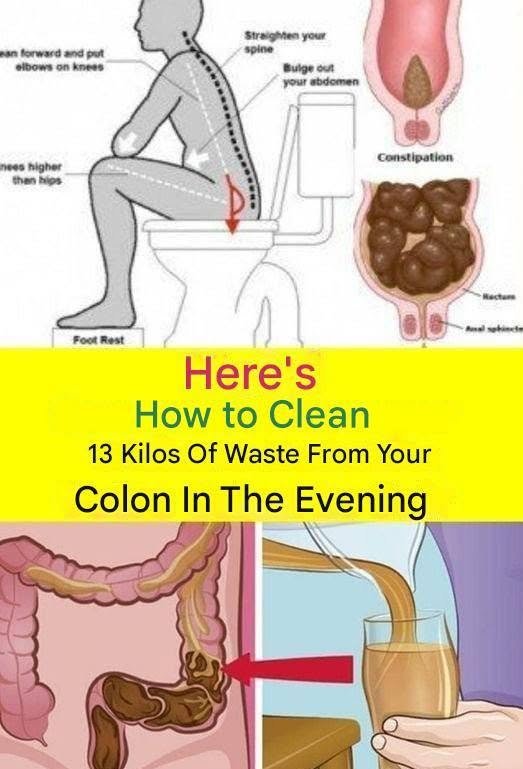
Constipation: Here are 3 Natural Remedies That Facilitate the Evacuation of Stools According to a Dietician
Remedy 3: The Warm Olive Oil and Lemon Flush
The final remedy is a powerful “lubricating flush” that dieticians often recommend for stubborn, hard stools. It does not rely on fiber but instead focuses on physically greasing the intestinal tract to allow waste to slide out.
Why It Works
Olive Oil: Extra virgin olive oil is a natural lubricant. It coats the hardened stool and the walls of the colon, reducing friction and making it incredibly easy to pass. It also stimulates the gallbladder to release bile, which acts as a natural laxative.
Lemon Juice: Lemon stimulates the liver and digestive system, prompting bowel movements. It also adds a bit of Vitamin C.
The Recipe
1 tablespoon of high-quality extra virgin olive oil.
1 tablespoon of freshly squeezed lemon juice.
4 ounces of warm water (or orange juice to mask the taste).
How to Consume: Mix the olive oil and lemon juice into the warm water. Drink it quickly. Follow it with a full glass of plain water. This is best taken first thing in the morning. Do not repeat this remedy more than once a day, as olive oil is high in calories.
The Secret Weapon: The Squatting Posture
The image also features a drawing of a man squatting. This is not a coincidence. Dieticians and gastroenterologists emphasize that the position of your body during a bowel movement is just as important as the food you eat.
The Puborectalis Muscle
When you sit normally on a toilet with your knees at a 90-degree angle, a muscle called the puborectalis remains contracted, keeping the rectum kinked (like a kinked hose). This makes it difficult to pass stool.
The Solution
When you elevate your feet on a small footstool (about 6 to 8 inches high) and lean forward slightly, you mimic a squatting position. This relaxes the puborectalis muscle, straightening the rectum and allowing the waste to slide out effortlessly without straining. If you are using any of the three remedies above, adopting this posture will ensure you experience the massive, complete evacuation promised in the viral post.
Tips for Long-Term Colon Health
To prevent constipation from returning, you must maintain a colon-friendly lifestyle:
Hydrate: Drink at least 8 to 10 glasses of water daily. Without water, fiber can actually make constipation worse by forming a hard block.
Move: Walking for 15-20 minutes a day stimulates the muscles of the digestive tract.
Increase Fiber Gradually: Add fruits, vegetables, and whole grains to your diet slowly to avoid severe gas and bloating.
Don’t Ignore the Urge: When the body signals it is time to go, go. Holding it in leads to a backlog of hardened stool.
Conclusion: Cleanse and Reclaim Your Comfort
The promise of clearing out a week’s worth of waste in just 3 hours is not a fantasy; it is a biological reality when you use the right combination of natural ingredients. By utilizing the pectin in apples, the sorbitol in prunes, the bulk of chia seeds, and the lubrication of olive oil, you can force your sluggish colon into action. These dietician-approved remedies provide rapid, effective relief from constipation. Combine them with proper hydration and the correct squatting posture, and you will leave the bloating, the heaviness, and the discomfort behind. Your colon will be clean, and you will feel lighter and more energized.
Frequently Asked Questions
What is the fastest natural remedy for constipation?
The fastest is usually the Warm Olive Oil and Lemon Flush or a strong Prune Juice and Chia Seed mixture. The olive oil lubricates the colon immediately, while prune juice triggers rapid contractions.
How long does it take for these remedies to work?
Most people will experience a strong urge to have a bowel movement within 30 minutes to 3 hours after consuming these remedies, especially if taken on an empty stomach in the morning.
Why are apples good for constipation?
Apples are rich in pectin, a soluble fiber that absorbs water and adds bulk to the stool. It also contains sorbitol, which helps draw water into the intestines.
Can I use these remedies every day?
The Apple Cider Vinegar tonic and high-fiber foods (like chia seeds) can be used daily as part of a healthy diet. The olive oil flush is high in calories and should only be used occasionally when you are severely constipated.
Does drinking warm water help with bowel movements?
Yes. Warm water is soothing to the digestive tract and triggers the gastrocolic reflex, which stimulates bowel movements.
What is the best posture for a bowel movement?
The best posture is squatting or sitting on the toilet with your knees elevated above your hips using a footstool. This relaxes the puborectalis muscle and straightens the rectum, allowing stool to pass without straining.
Are there any side effects of these remedies?
If you are not used to a high-fiber diet, the chia seeds and apples might cause temporary gas or bloating. Introduce them gradually. The olive oil can act as a laxative and cause oily stools if consumed in large amounts.
When should I see a doctor for constipation?
You should see a doctor if your constipation lasts longer than three weeks, if you experience severe abdominal pain, blood in your stool, or if these natural remedies fail to provide any relief.